Guides & resources

Water Damage Guides for Washington, DC

Practical answers on costs, insurance, mold, and what to do in an emergency — written for DC homeowners, renters, and property managers.

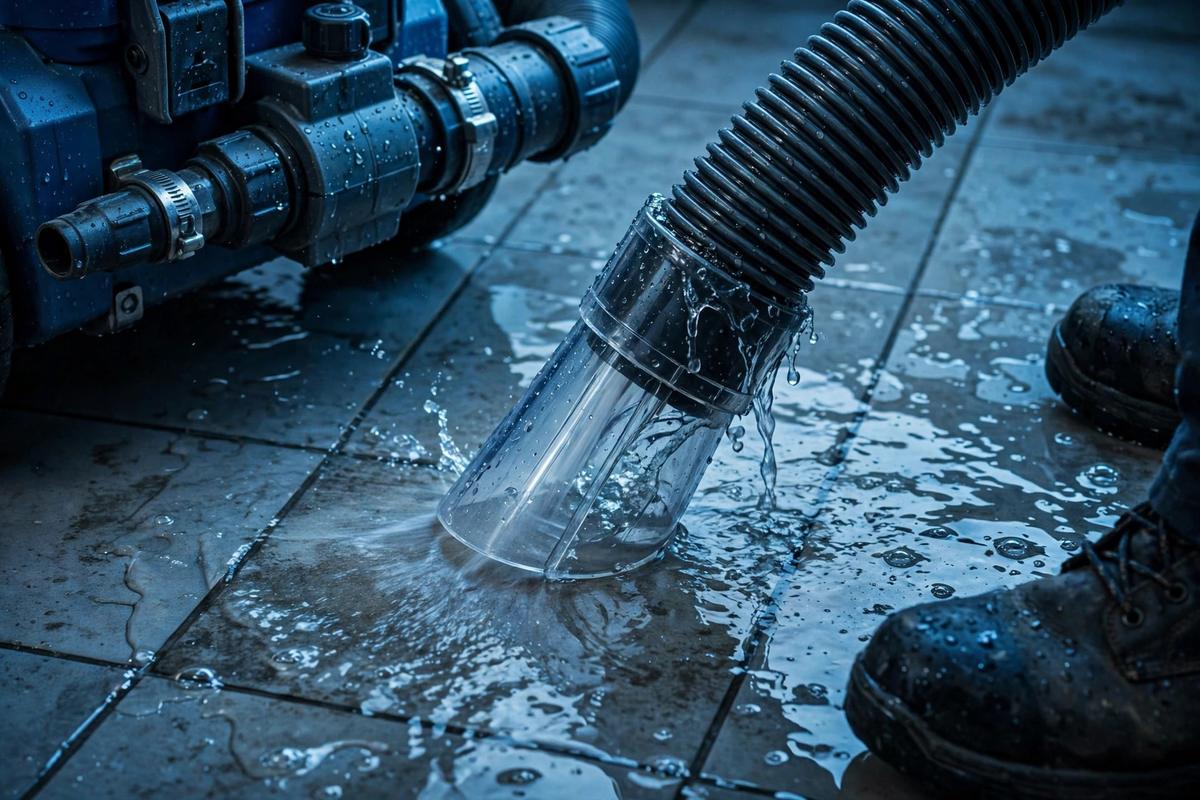
What to Do in the First 60 Minutes After Discovering Water Damage in Washington DC

What to Do in the First 60 Minutes After Discovering Water Damage in Washington DC

The first hour after discovering water damage matters more than any other. Here is exactly what to do — and what to avoid — before professional help arrives.

Read guide →

How Much Does Water Damage Restoration Cost in Washington DC?

How Much Does Water Damage Restoration Cost in Washington DC?

There is no single price for water damage restoration. Here is what actually drives the cost in Washington DC — and what a professional estimate should include.

Read guide →
Water Damage Categories 1, 2, and 3 Explained

Water Damage Categories 1, 2, and 3 Explained

Clean, gray, and black water demand very different responses. Here is how professionals classify water damage — and why the category changes everything about the cleanup.

Read guide →
How Long Does It Take to Dry Out a House After Water Damage?

How Long Does It Take to Dry Out a House After Water Damage?

Drying a water-damaged home is not an overnight job. Here is how long it really takes, what affects the timeline, and how professionals know when it is truly dry.

Read guide →
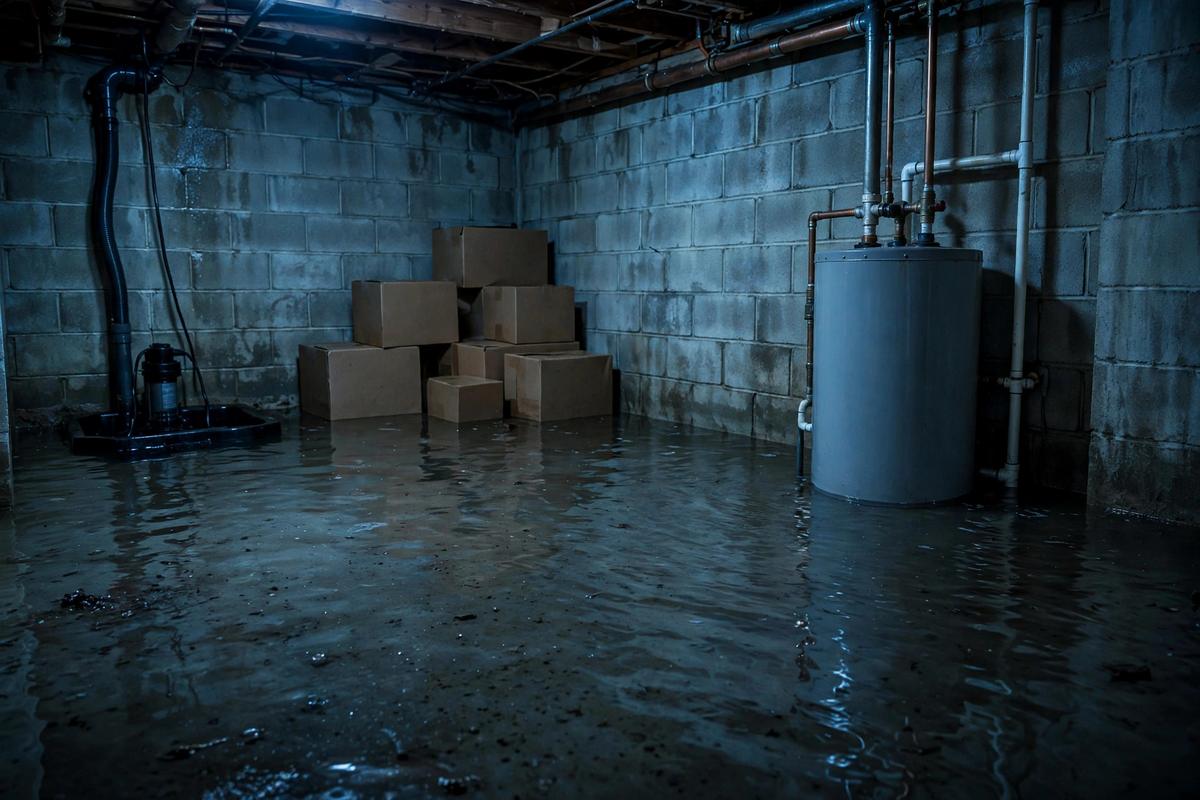
Basement Flooding in Washington DC: Common Causes and What to Do First

Basement Flooding in Washington DC: Common Causes and What to Do First

DC basements flood for predictable reasons. Here is what causes it, what to do in the first minutes, and how to reduce the risk of it happening again.

Read guide →
How to Spot Hidden Water Damage Inside Walls

How to Spot Hidden Water Damage Inside Walls

Water damage often hides where you cannot see it. Here is how to recognize the warning signs inside your walls — and how professionals confirm what is really going on.

Read guide →
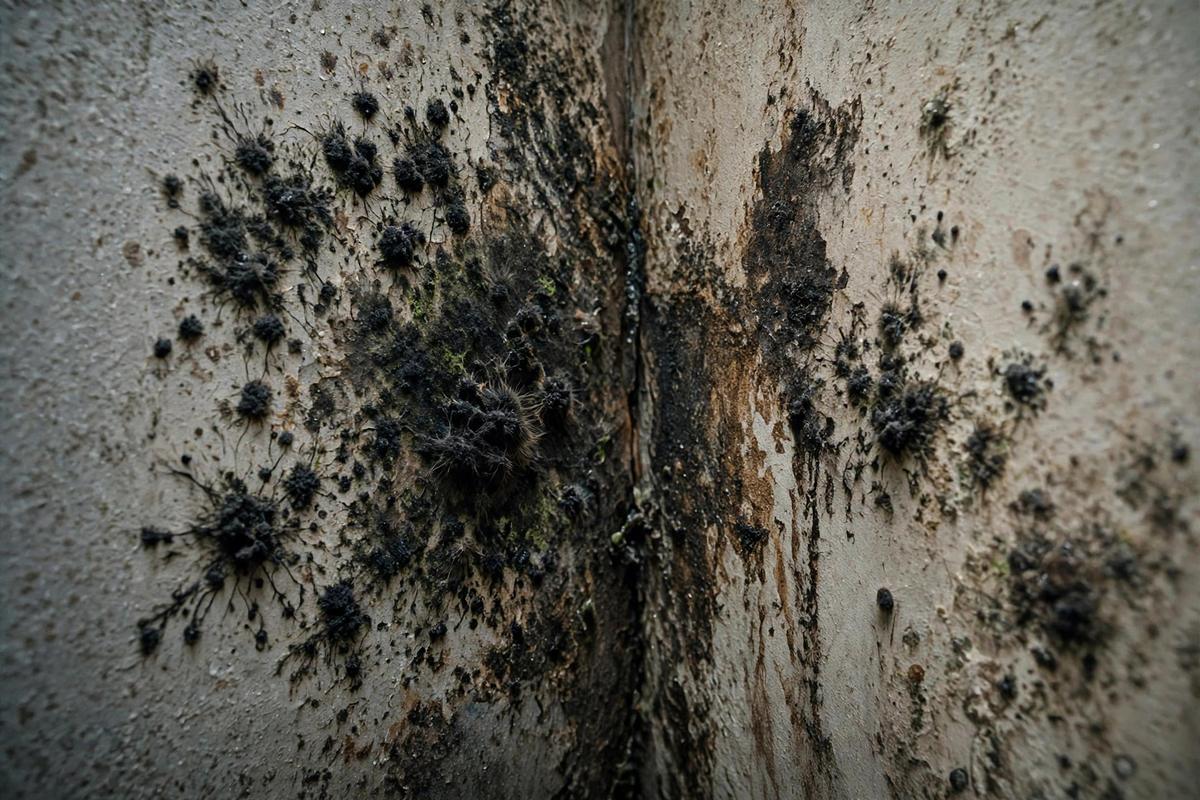
Mold After Water Damage: How Fast It Grows and What to Do in Washington DC

Mold After Water Damage: How Fast It Grows and What to Do in Washington DC

Mold can start within 24–48 hours after water damage. Learn the early warning signs, immediate steps to take, and when to call a professional in Washington DC.

Read guide →
Does Homeowners Insurance Cover Water Damage in Washington DC?

Does Homeowners Insurance Cover Water Damage in Washington DC?

Sudden pipe bursts are usually covered; gradual leaks and floods usually aren't. Here's what Washington DC homeowners need to know about water damage insurance coverage.

Read guide →
Burst Pipes in Winter: Prevention and Emergency Steps for Washington DC Homes

Burst Pipes in Winter: Prevention and Emergency Steps for Washington DC Homes

DC cold snaps can freeze and burst pipes overnight. Learn how to prevent frozen pipes and the exact emergency steps to take when one bursts.

Read guide →
Sump Pump Failure: Backup Options That Actually Work

Sump Pump Failure: Backup Options That Actually Work

Sump pumps fail during storms and outages — exactly when basements need them most. Compare battery, water-powered, and dual-pump backups, plus a maintenance schedule.

Read guide →
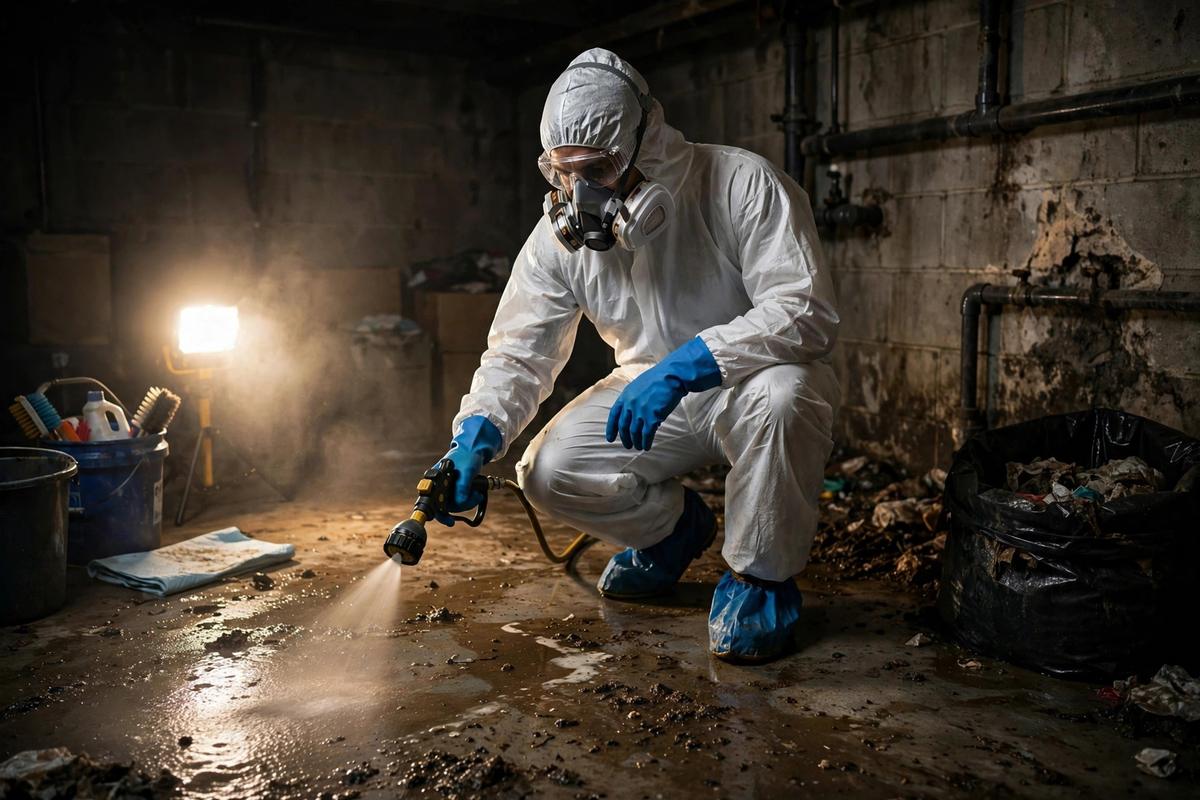
Sewage Backup Cleanup: Why DIY Is Dangerous in Washington DC Homes

Sewage Backup Cleanup: Why DIY Is Dangerous in Washington DC Homes

Sewage is Category 3 black water — a genuine biohazard. Learn why DIY cleanup puts your health at risk and what professional containment and disinfection involve.

Read guide →
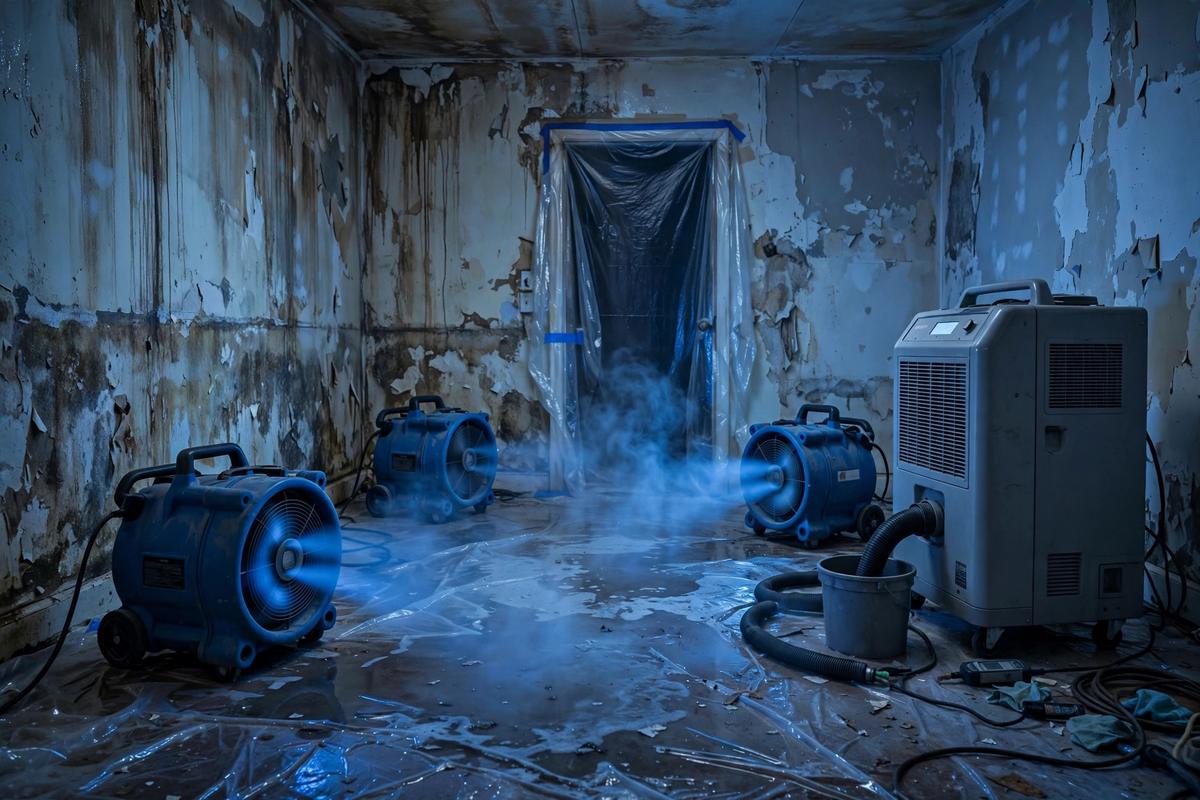
How Structural Drying Works: The Equipment Explained

How Structural Drying Works: The Equipment Explained

Air movers, LGR dehumidifiers, HEPA scrubbers, and moisture meters — a plain-language guide to the equipment professionals use to dry water-damaged structures.

Read guide →
Hardwood Floors and Water Damage: Can They Be Saved in Washington DC?

Hardwood Floors and Water Damage: Can They Be Saved in Washington DC?

Cupped or buckled hardwood doesn't always mean replacement. Here's how to tell whether your Washington DC floors can be dried and saved — and when it's time to let go.

Read guide →
Water Damage in Condos: Who Pays for What in Washington DC?

Water Damage in Condos: Who Pays for What in Washington DC?

Water damage in a DC condo raises one urgent question: who pays? Here's a general overview of unit owner vs HOA responsibilities — not legal advice.

Read guide →
Water Mitigation vs Restoration: What's the Difference?

Water Mitigation vs Restoration: What's the Difference?

Mitigation and restoration are two different phases of recovering from water damage. Here's what each one means — and how they fit together.

Read guide →
Slab Leaks: 7 Warning Signs Every Homeowner Should Know

Slab Leaks: 7 Warning Signs Every Homeowner Should Know

Slab leaks hide beneath your foundation, quietly causing damage. These seven warning signs can help you catch one before it becomes a disaster.

Read guide →
Roof Leak vs Plumbing Leak: How to Tell the Difference

Roof Leak vs Plumbing Leak: How to Tell the Difference

A water stain on your ceiling could mean a failing roof or a leaking pipe. Here's how to tell the difference before you call for help.

Read guide →
How to Choose a Water Damage Company in Washington DC

How to Choose a Water Damage Company in Washington DC

The company you call after water damage matters. Here's how to choose a water damage provider in Washington DC — questions to ask and red flags to avoid.

Read guide →
Water Heater Failure: Warning Signs Before the Flood | Washington DC

Water Heater Failure: Warning Signs Before the Flood | Washington DC

Water heaters rarely fail without warning. Learn the signs of a failing tank so you can act before a flood damages your Washington DC home.

Read guide →
Crawl Space Moisture: Causes, Signs and Fixes in Washington DC

Crawl Space Moisture: Causes, Signs and Fixes in Washington DC

Crawl space moisture causes musty odors, sagging floors, and mold. Learn the common causes in Washington DC and the fixes that actually work.

Read guide →
Ice Dams and Water Intrusion in Winter | Washington DC Guide

Ice Dams and Water Intrusion in Winter | Washington DC Guide

Ice dams form when heat escapes through the roof, melting snow that refreezes at the eaves. Learn prevention and what to do when meltwater gets inside.

Read guide →
What Happens During a Professional Water Damage Inspection

What Happens During a Professional Water Damage Inspection

A professional water damage inspection maps hidden moisture with meters and thermal imaging, then produces a written scope of work. Here is what to expect.

Read guide →
Dehumidifiers After Flooding: What You Actually Need

Dehumidifiers After Flooding: What You Actually Need

After flooding, a household dehumidifier is usually undersized and too slow. Learn the difference between LGR and conventional units and how sizing works.

Read guide →
Water-Damaged Drywall: Repair or Replace? | Washington DC

Water-Damaged Drywall: Repair or Replace? | Washington DC

Small clean-water stains can sometimes be patched, but saturated or contaminated drywall must go. Learn the rules for deciding repair versus replacement.

Read guide →
Apartment Water Damage: A Tenant and Landlord Guide for Washington DC

Apartment Water Damage: A Tenant and Landlord Guide for Washington DC

When water damage hits a rental, the first question is who is responsible. This guide explains the typical tenant-landlord split in Washington DC, what to do right away, and how to document everything.

Read guide →
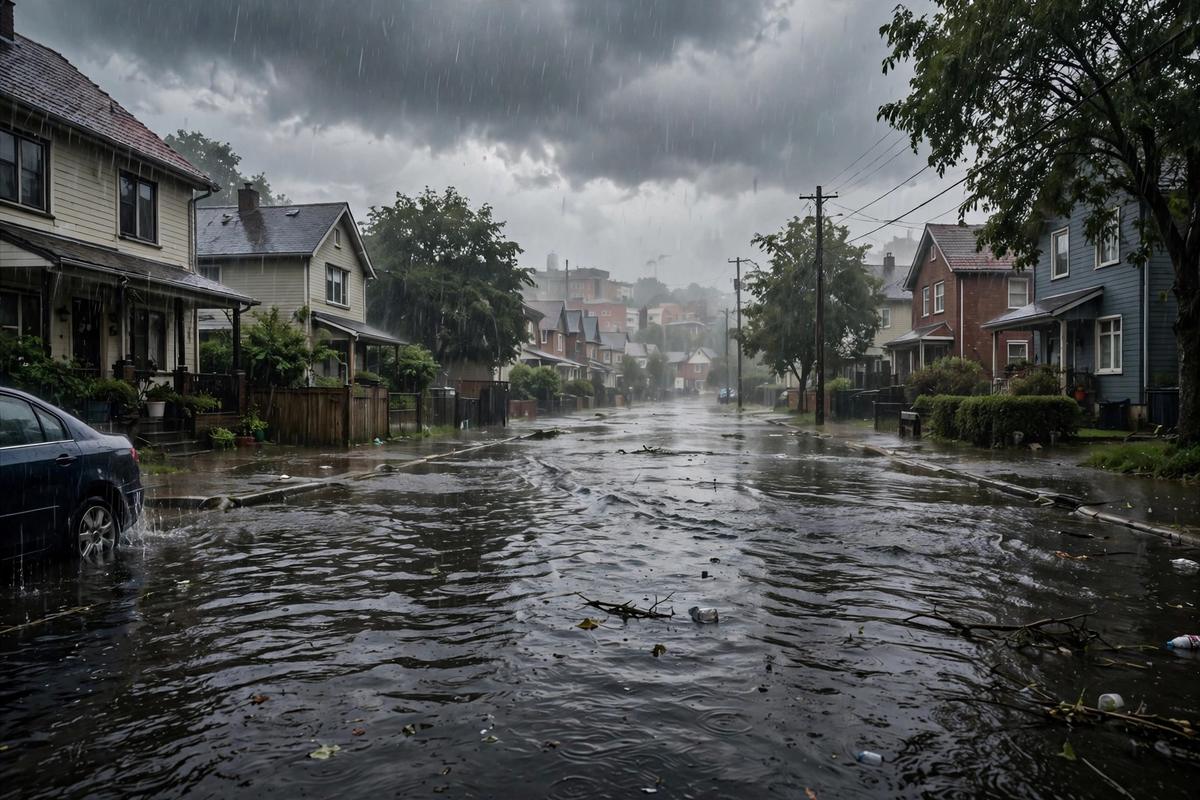
Storm Flooding Preparedness Guide for Washington DC Homeowners

Storm Flooding Preparedness Guide for Washington DC Homeowners

DC's intense storms and flash floods put basements and low-lying homes at risk. This guide covers gutters, grading, sump pump readiness, and emergency planning before the next storm.

Read guide →
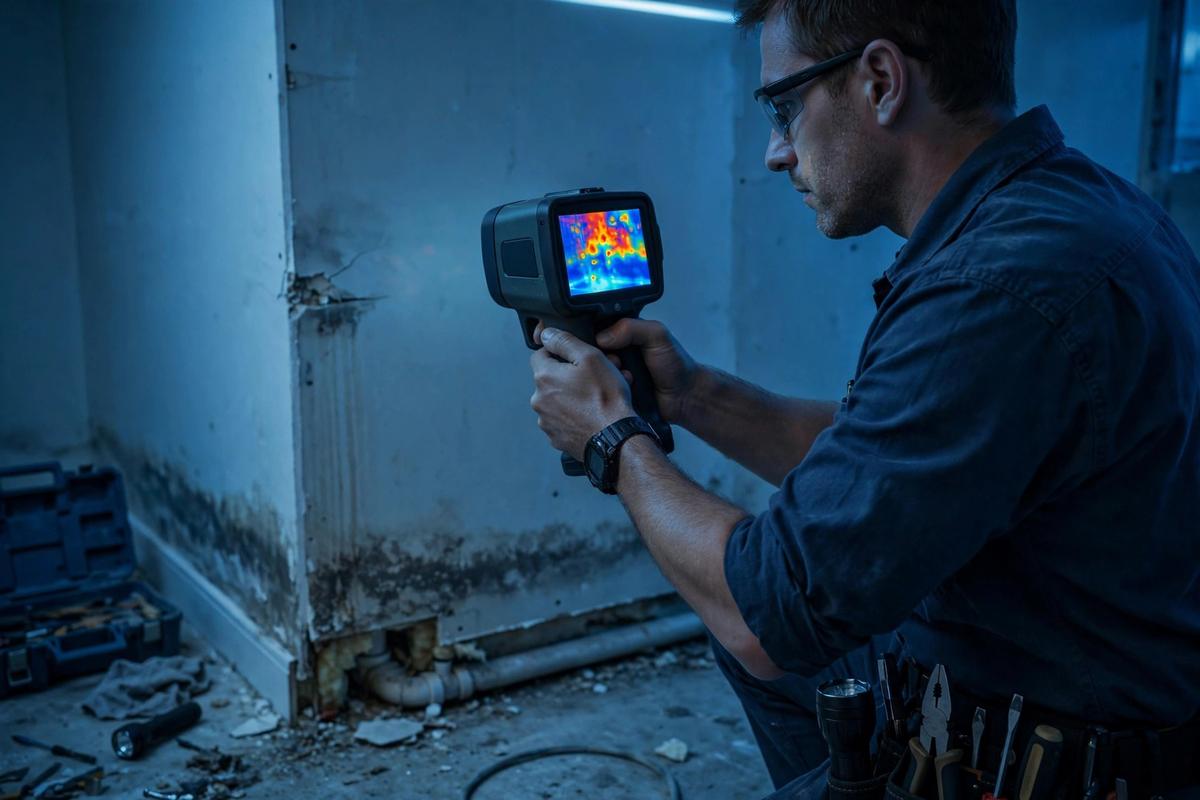
How Moisture Meters and Thermal Imaging Find Hidden Leaks in Washington DC Homes

How Moisture Meters and Thermal Imaging Find Hidden Leaks in Washington DC Homes

Water hides behind walls and under floors long before you see it. Learn how pin and pinless moisture meters plus thermal imaging cameras help professionals find hidden leaks early.

Read guide →
How to Prevent Water Damage While You're on Vacation

How to Prevent Water Damage While You're on Vacation

A small leak can become a flooded home when nobody is there to catch it. These simple steps — from shutting off the main valve to smart detectors — protect your house while you travel.

Read guide →
Documenting Water Damage for an Insurance Claim

Documenting Water Damage for an Insurance Claim

The quality of your documentation can decide how smoothly your insurance claim goes. Learn the photo, video, and inventory protocol to follow before the adjuster arrives.

Read guide →
Why Calling Fast Matters: The Water Damage Timeline Hour by Hour

Why Calling Fast Matters: The Water Damage Timeline Hour by Hour

Water damage is a race against time. See what happens at hour one, 24 hours, 48 hours, and beyond — and why calling for help fast changes everything.

Read guide →
Water Damage DC

Ready For Fast Local Help

Call Water Damage DC now and we'll connect you with a local provider in Washington, DC — no pressure, no obligation. Lines are open 24/7.

QR code — scan to call Water Damage DC Scan to call now