How to Spot Hidden Water Damage Inside Walls
Water damage often hides where you cannot see it. Here is how to recognize the warning signs inside your walls — and how professionals confirm what is really going on.
Read guide →DC basements flood for predictable reasons. Here is what causes it, what to do in the first minutes, and how to reduce the risk of it happening again.
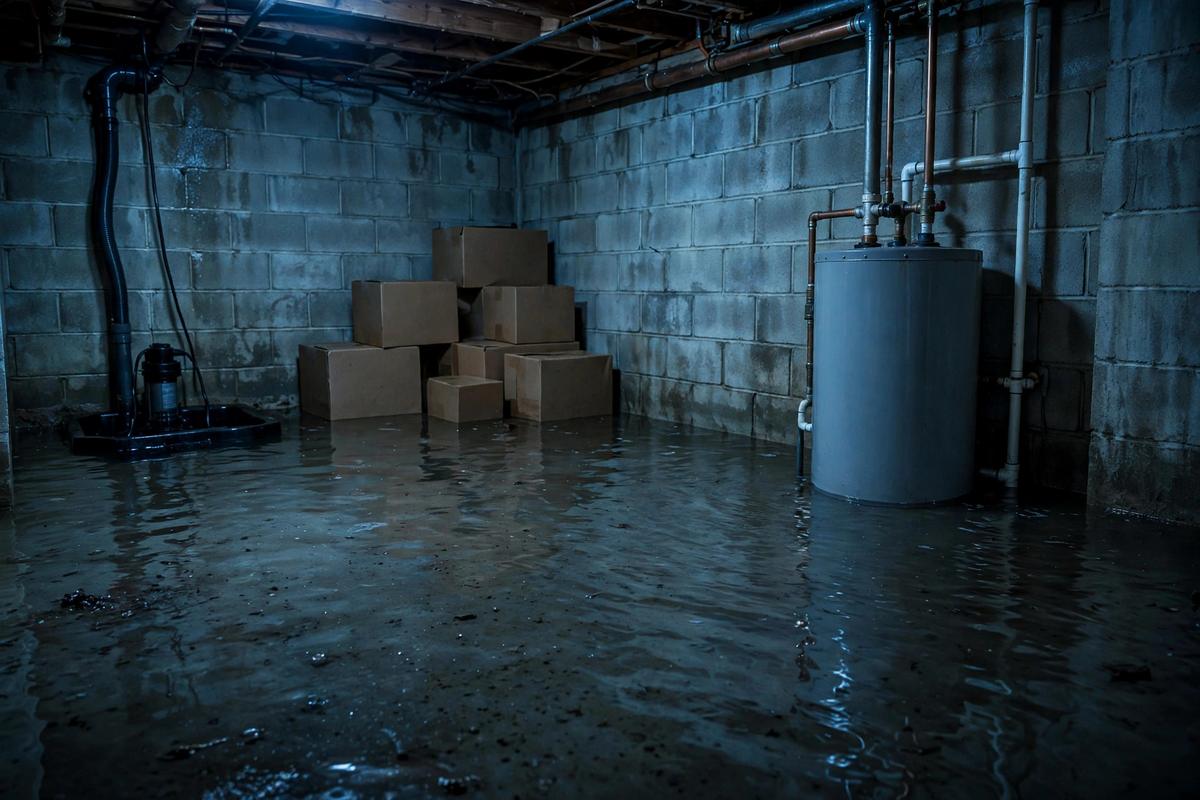
Basement flooding is one of the most common water damage problems in Washington DC. The city's older housing stock, high water table, aging combined sewer system, and intense summer storms create a perfect recipe for wet basements. If you are standing in water right now, skip ahead to the response steps below. If you are reading this to prepare, understanding the causes is the first step toward prevention.
DC's summer thunderstorms can dump inches of rain in an hour, overwhelming gutters, downspouts, and grading. When rainwater pools against your foundation instead of draining away, hydrostatic pressure pushes it through cracks, mortar joints, and the seam where the wall meets the floor. Homes at the bottom of a slope or with clogged gutters are especially vulnerable. Even a well-built foundation can seep under the pressure of a major storm.
Many DC homes rely on a sump pump to keep the basement dry — and sump pumps fail at the worst possible moment. The most common failures are power outages during storms (exactly when the pump is needed most), a stuck or failed float switch, a burned-out motor from age, or a discharge line that is clogged or frozen. If your pump is more than seven to ten years old, or if you have never tested it, it is a risk. A battery backup system can keep the pump running through an outage.
Parts of DC use a combined sewer system that carries both sewage and stormwater. During extreme rain, the system can be overwhelmed and push water back up through floor drains and basement fixtures. This is Category 3 black water — contaminated and hazardous. If water is coming up through your drains rather than seeping through walls, treat it as sewage: do not touch it, keep everyone away, and call for professional help immediately.
Many of DC's rowhouses and older homes have foundations that have settled and cracked over decades. Small cracks, deteriorated mortar, and porous concrete let groundwater seep in slowly — sometimes just dampness, sometimes a steady trickle after rain. Window wells that fill with water and leak through basement windows are another classic entry point. Seepage tends to get worse over time, not better, as cracks widen and waterproofing ages.
Safety first. Do not walk into a flooded basement if water may have reached electrical outlets, the breaker panel, or appliances like the water heater or furnace — call an electrician or your utility if you are unsure. If the water smells like sewage, stay out entirely.
Then work through these steps:
After the immediate crisis, consider prevention. Keep gutters clean and extend downspouts at least several feet from the foundation. Make sure soil grades away from the house. Test your sump pump regularly and consider a battery backup. A backwater valve can protect against sewer backups. For chronic seepage, professional basement waterproofing — interior drainage systems, sump installation, or exterior membrane work — addresses the problem at its source. Sealing basement windows and window wells, and keeping them clear of leaves and debris, also prevents one of the most common entry points for stormwater.
Dealing with a flooded basement right now? Call (202) 449-5074 and we will connect you with a local Washington DC provider for fast water extraction and drying. The sooner the water is out, the more of your basement can be saved.
Need help right now? Call (202) 449-5074 — open 24/7. Water Damage DC will connect you with a local provider in Washington, DC.
Quick answers related to this guide.
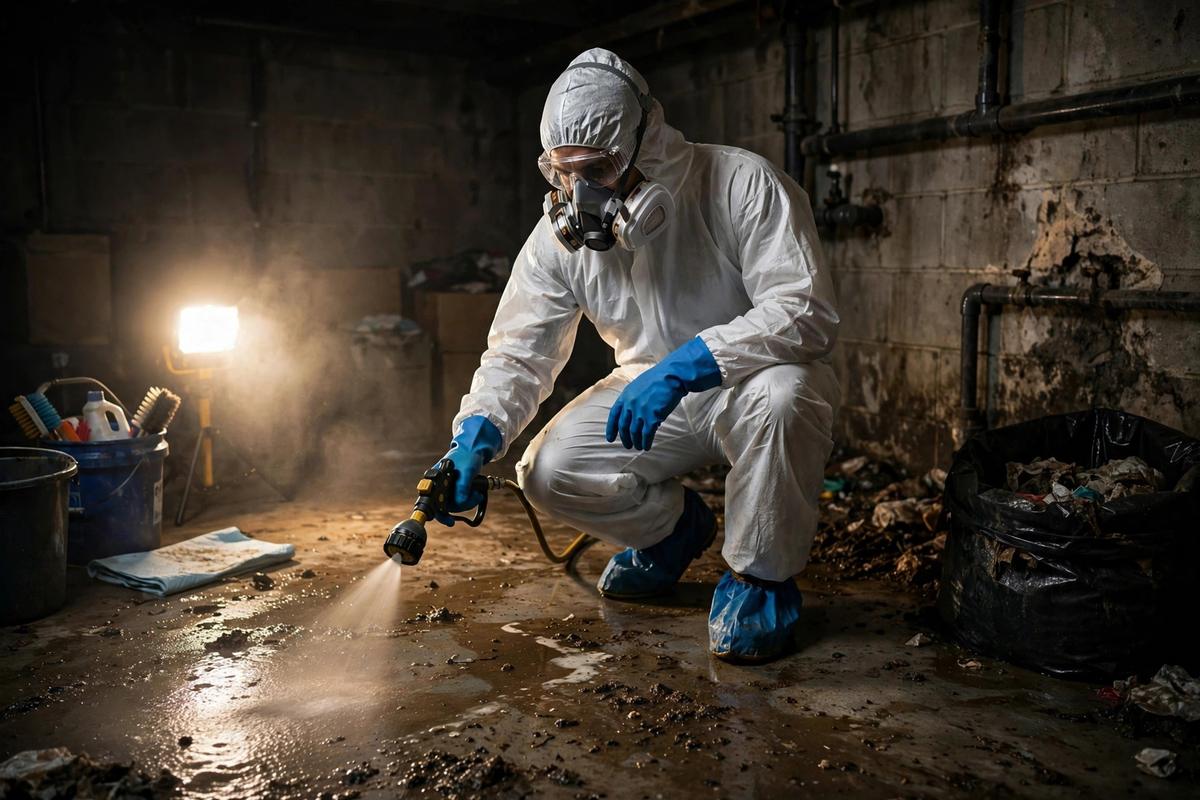
Basements flood first and dry last — flooded basement cleanup is built for the unique challenges of below-grade spaces. We connect you with local providers in the Washington DC area.
Learn More →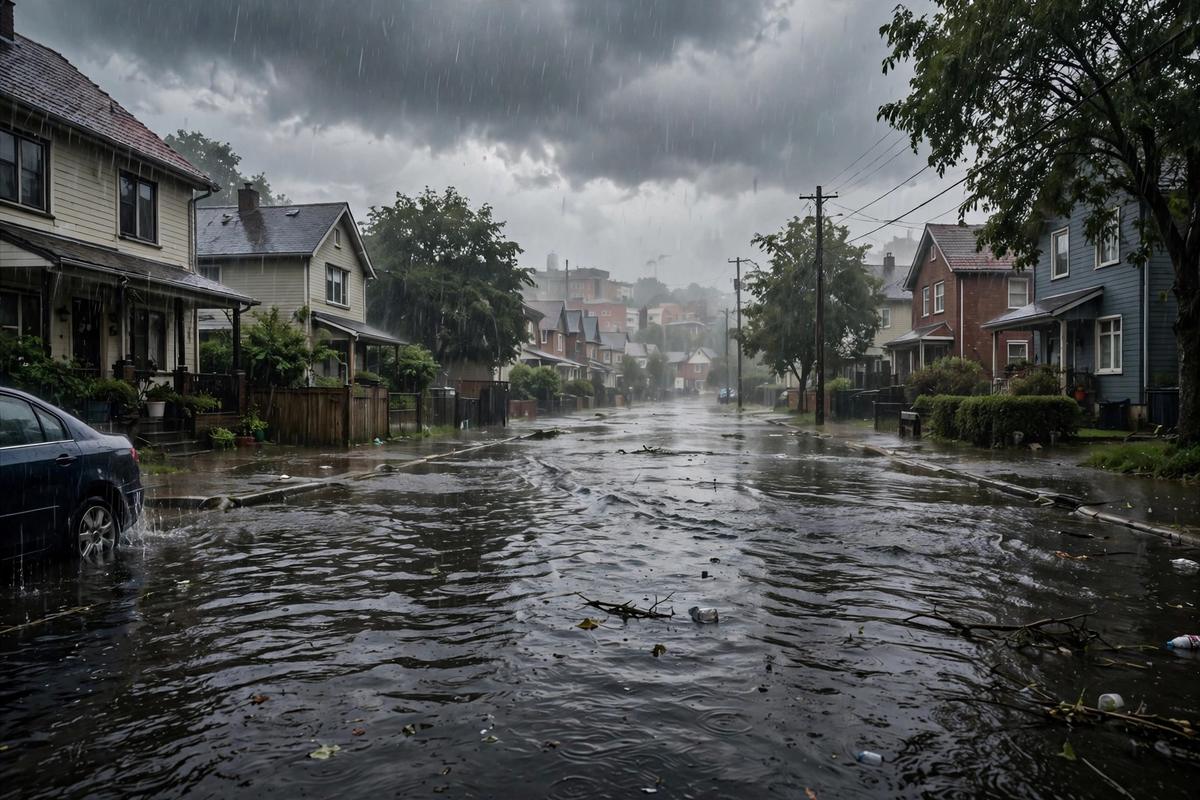
Basement Waterproofing stops water before it gets in, protecting your foundation and basement from seepage and leaks. We connect you with local providers in the Washington DC area.
Learn More →
Sump pumps do the heavy lifting during storms, and sump pump installation makes sure yours is ready. Call now and we'll connect you with a nearby provider.
Learn More →
Sewage backups expose your home to harmful bacteria, and sewage backup cleanup removes the contamination safely and thoroughly. Call now and we'll connect you with a nearby provider.
Learn More →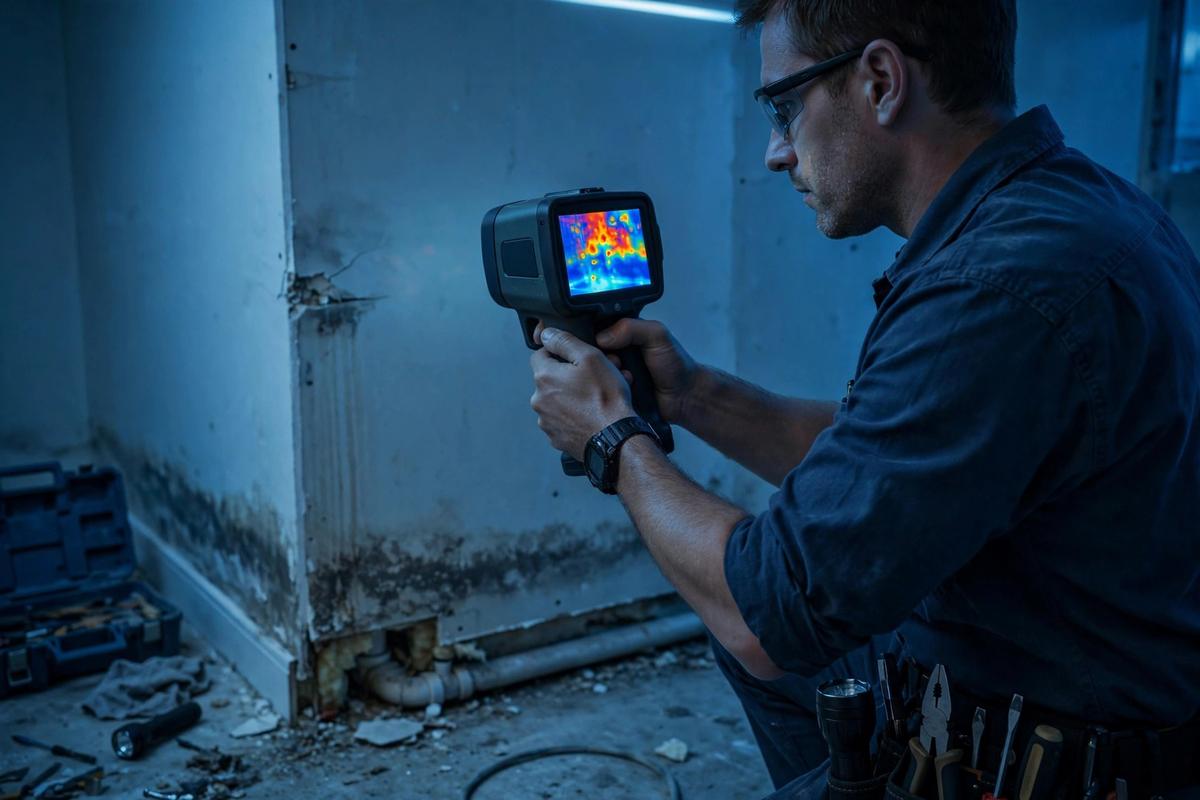
Water damage often hides where you cannot see it. Here is how to recognize the warning signs inside your walls — and how professionals confirm what is really going on.
Read guide →
Cupped or buckled hardwood doesn't always mean replacement. Here's how to tell whether your Washington DC floors can be dried and saved — and when it's time to let go.
Read guide →
Crawl space moisture causes musty odors, sagging floors, and mold. Learn the common causes in Washington DC and the fixes that actually work.
Read guide → Water Damage DC
Call Water Damage DC now and we'll connect you with a local provider in Washington, DC — no pressure, no obligation. Lines are open 24/7.
 Scan to call now