Water Heater Failure: Warning Signs Before the Flood | Washington DC
Water heaters rarely fail without warning. Learn the signs of a failing tank so you can act before a flood damages your Washington DC home.
Read guide →The company you call after water damage matters. Here's how to choose a water damage provider in Washington DC — questions to ask and red flags to avoid.

Water damage is stressful, and the company you call in the first hours can shape the entire outcome — from how much of your home is saved to how smoothly your insurance claim goes. Choosing carefully matters, and in a market like Washington DC, you have options. Here's how to pick a water damage provider with confidence.
The single most important factor is speed. Water continues to spread and soak into materials every hour it sits, and mold can begin growing within 24 to 48 hours. A provider that can arrive quickly — ideally within hours, not days — can extract standing water, begin structural drying, and keep a moderate incident from becoming a major reconstruction project. When you're comparing options, ask about actual arrival times, not just promises.
A reputable water damage provider should welcome these questions:
Some warning signs should make you think twice before signing anything:
Beyond questions and red flags, do a quick background check before work begins. Look for providers with proper licensing and insurance for the work they'll perform — a legitimate company will share proof without hesitation. Read recent reviews on Google and other platforms, paying attention to how the company responds to complaints. Ask whether technicians are trained in industry-standard drying practices and whether the company carries the specialized equipment the job needs, such as commercial dehumidifiers, air movers, and moisture meters. A well-equipped local provider can start work immediately instead of renting gear or subcontracting the critical first steps. Finally, confirm who will actually show up: some companies sell the job and send a subcontractor you've never vetted, so knowing the crew in advance avoids surprises.
You don't have to research providers alone in the middle of an emergency. Water Damage DC connects callers with local water damage providers serving the Washington DC area. When you call (202) 449-5074, you'll be connected with a local provider who can assess your situation, explain your options, and get help on the way — so you can focus on protecting your home instead of vetting contractors at 2 a.m.
Water damage rewards fast action but punishes hasty decisions. Use the questions above, watch for the red flags, and don't let anyone rush you into signing something you don't understand. A few minutes of careful vetting now can save you thousands of dollars and weeks of frustration later. If you're facing water damage in Washington DC right now, call (202) 449-5074 to be connected with a local provider who can assess your situation and start the recovery process.
Need help right now? Call (202) 449-5074 — open 24/7. Water Damage DC will connect you with a local provider in Washington, DC.
Quick answers related to this guide.
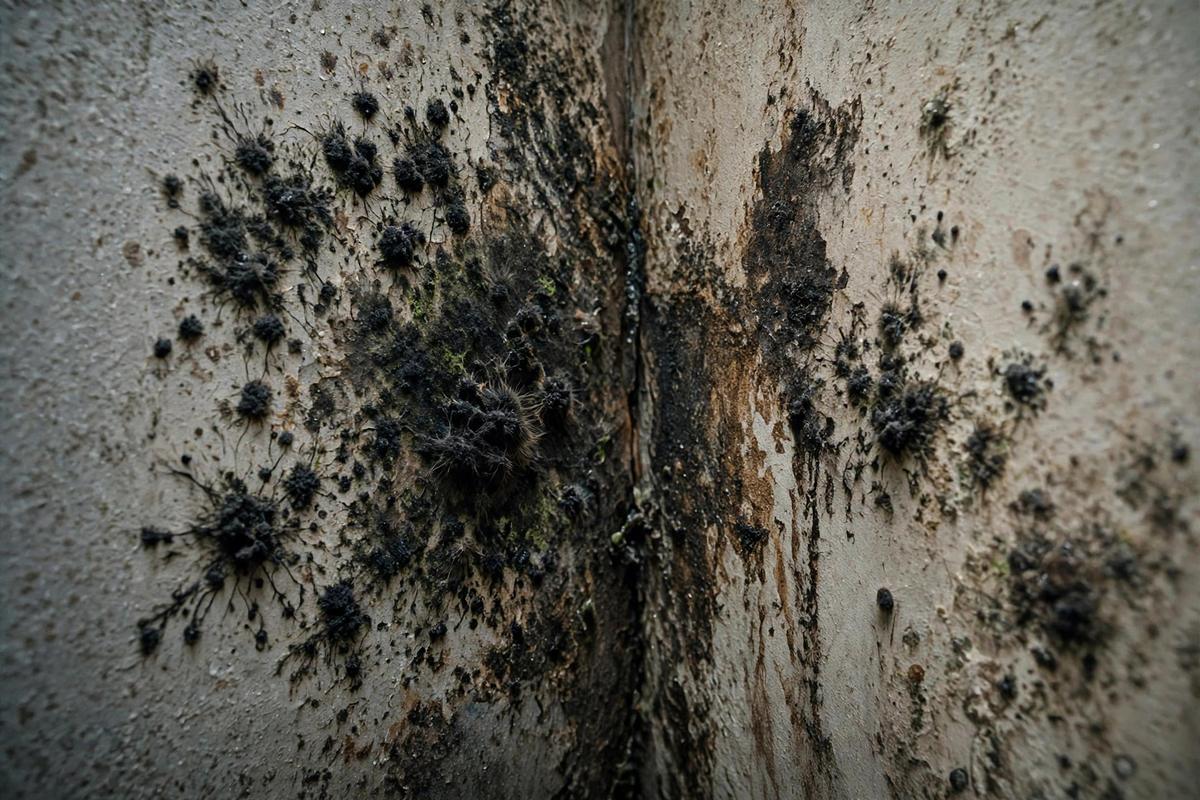
When water damages your property, emergency water damage restoration brings every phase of recovery under one coordinated process. Call now and we'll connect you with a nearby provider.
Learn More →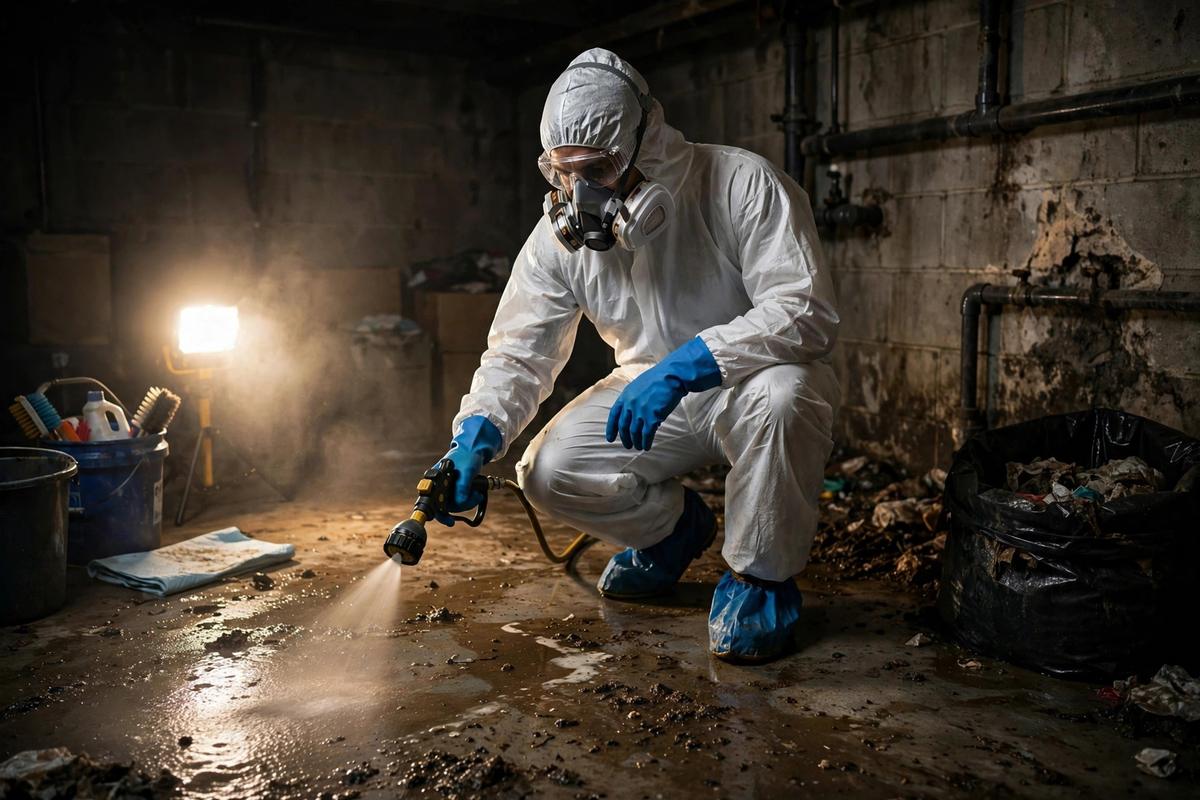
Water Damage Restoration covers the full job — from initial assessment and water removal through drying, cleanup, and repairs. We connect you with local providers in the Washington DC area.
Learn More →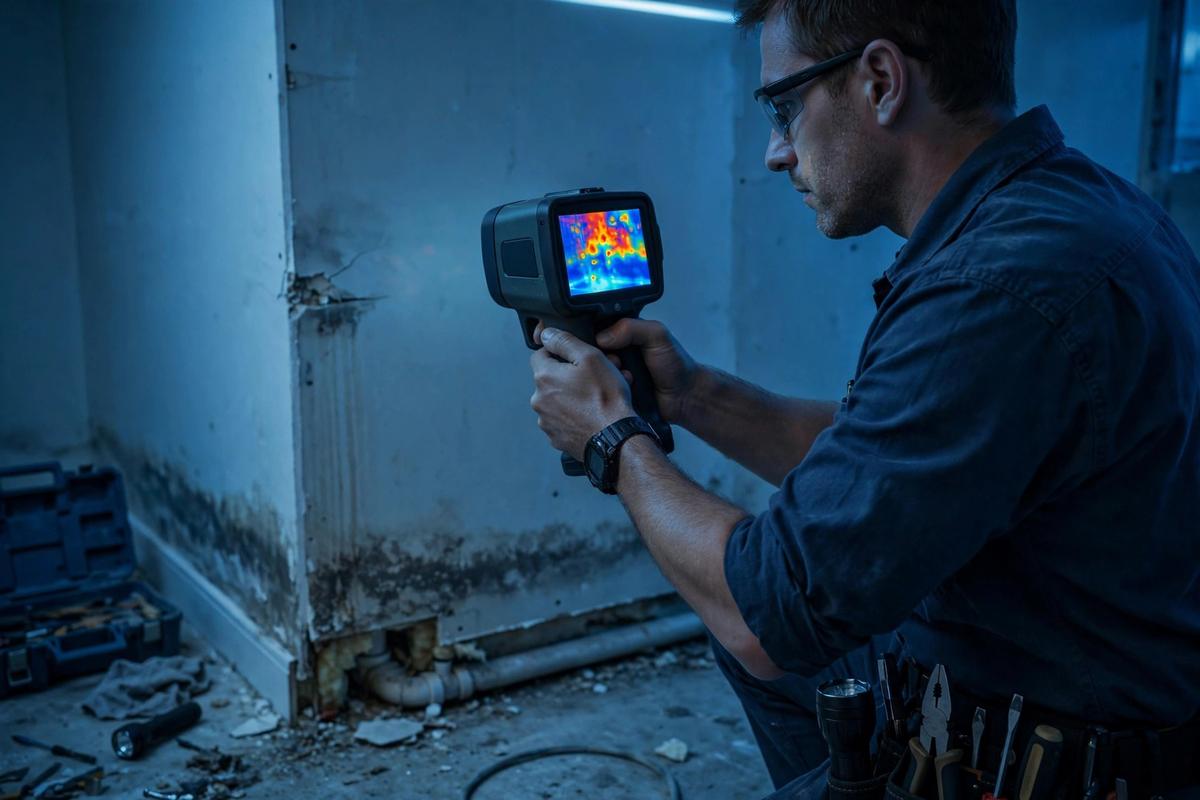
Standing water keeps damaging everything it touches — emergency water extraction removes it fast with high-capacity pumps. We connect you with local providers in the Washington DC area.
Learn More →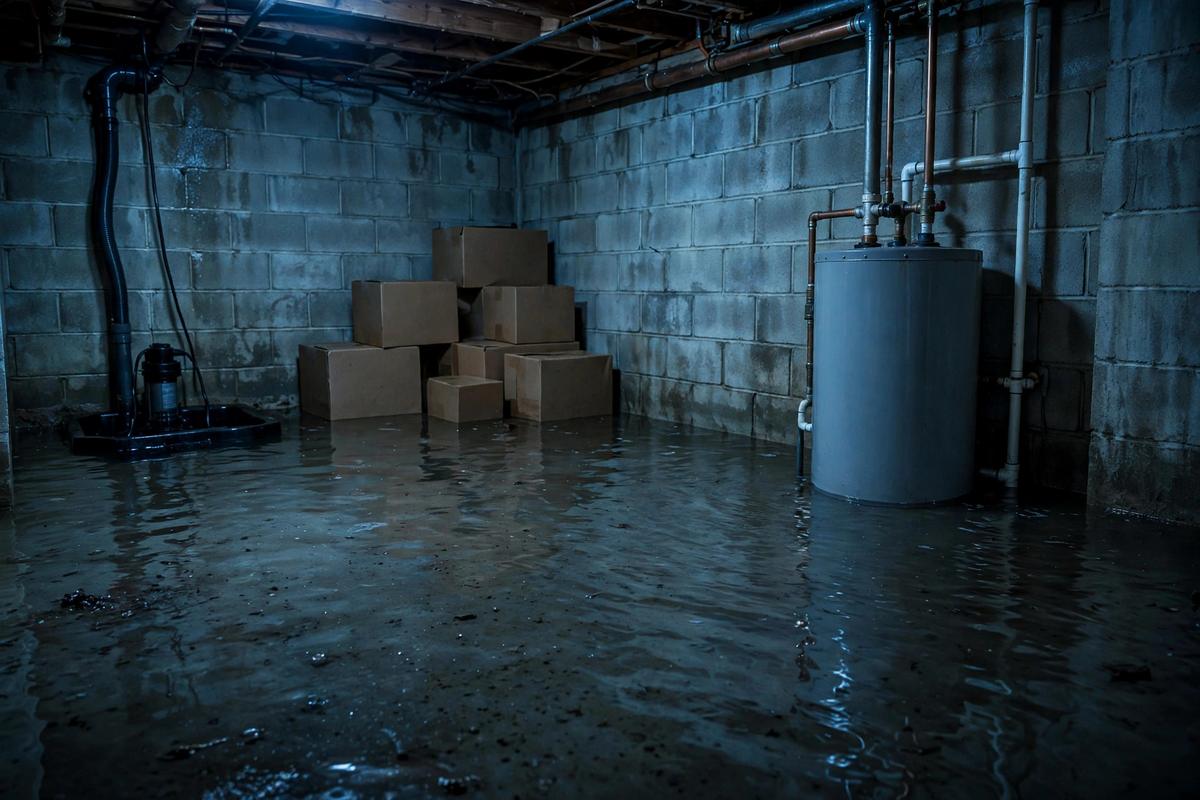
Water Damage Cleanup covers the full job — from initial assessment and water removal through drying, cleanup, and repairs. Call now and we'll connect you with a nearby provider.
Learn More →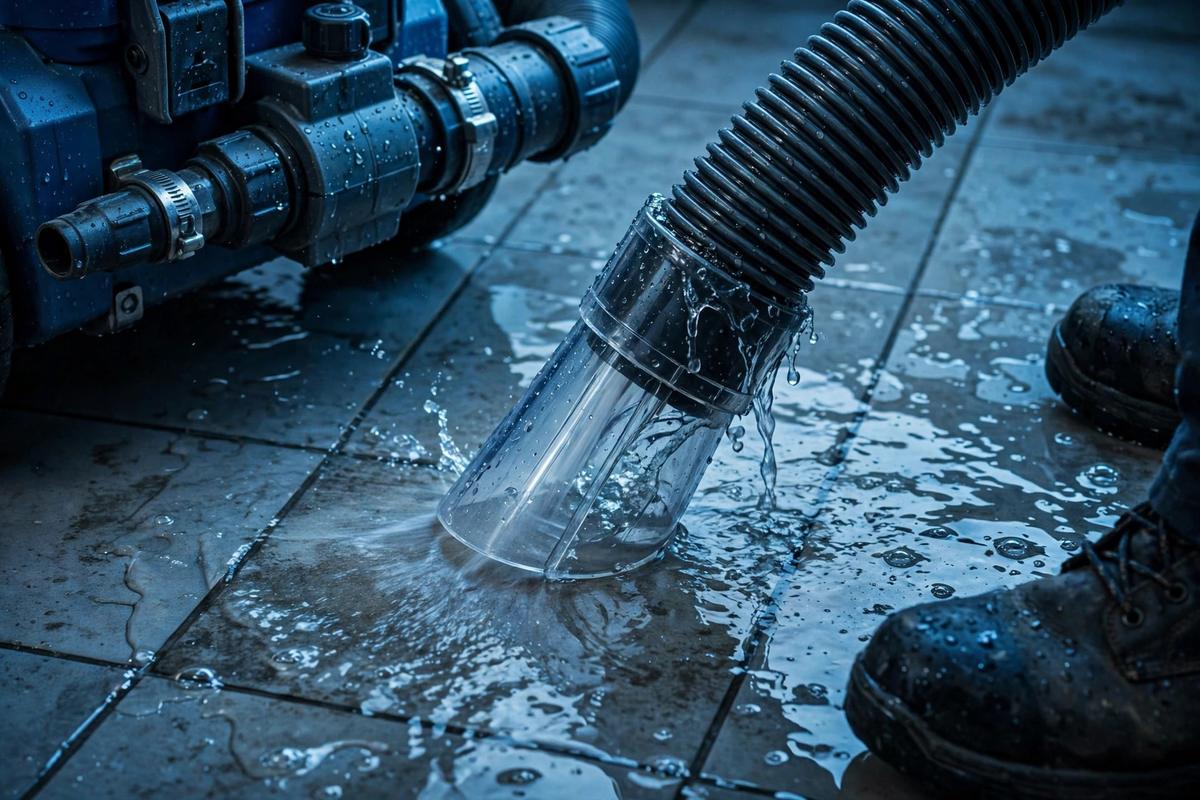
Water heaters rarely fail without warning. Learn the signs of a failing tank so you can act before a flood damages your Washington DC home.
Read guide →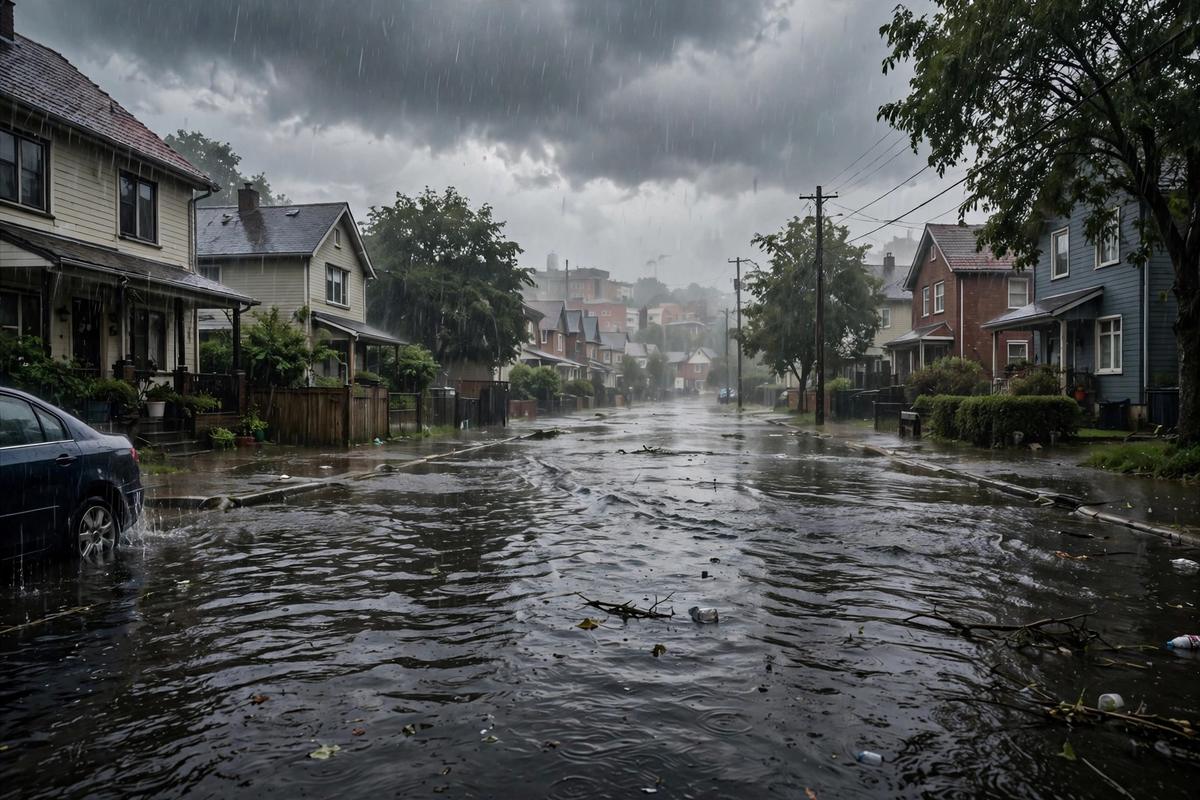
DC's intense storms and flash floods put basements and low-lying homes at risk. This guide covers gutters, grading, sump pump readiness, and emergency planning before the next storm.
Read guide →
Clean, gray, and black water demand very different responses. Here is how professionals classify water damage — and why the category changes everything about the cleanup.
Read guide → Water Damage DC
Call Water Damage DC now and we'll connect you with a local provider in Washington, DC — no pressure, no obligation. Lines are open 24/7.
 Scan to call now