How Long Does It Take to Dry Out a House After Water Damage?
Drying a water-damaged home is not an overnight job. Here is how long it really takes, what affects the timeline, and how professionals know when it is truly dry.
Read guide →Clean, gray, and black water demand very different responses. Here is how professionals classify water damage — and why the category changes everything about the cleanup.
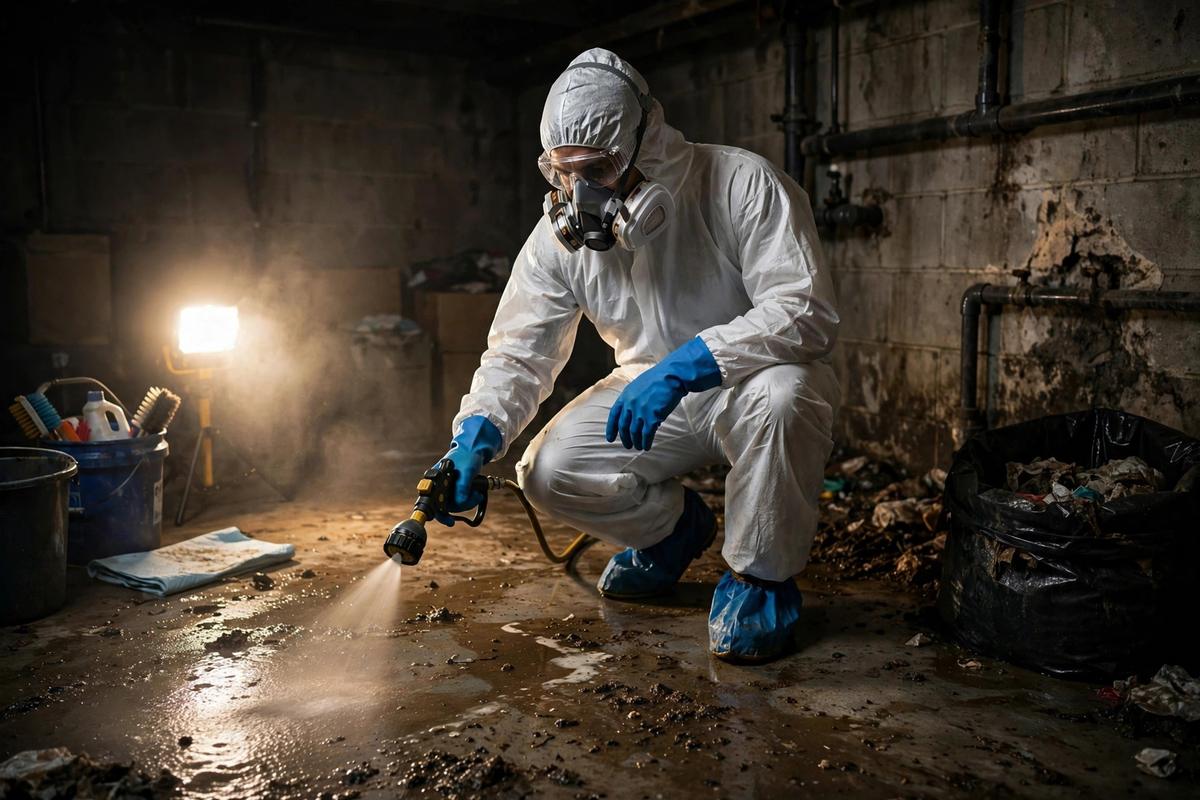
When restoration professionals talk about water damage, they do not just mean how much water. They mean what kind of water. The industry standard, the IICRC S500, divides water into three categories based on its level of contamination — and the category determines the safety precautions, the cleaning methods, and even which materials can be saved. Understanding the categories helps you make smarter decisions in those critical first hours.
Category 1 water comes from a sanitary source: a burst supply pipe, a leaking water heater, a broken ice-maker line, or rainwater that has not touched the ground. It is called clean because it does not contain significant contaminants at the source — but that label comes with a warning. Clean water does not stay clean. Within 48 hours, or after contacting contaminated surfaces, it can degrade into Category 2 as bacteria and microorganisms multiply in the damp environment.
Response: fast extraction and thorough drying. Because the water starts out sanitary, porous materials like drywall and carpet can sometimes be dried and saved if the response is quick. The emphasis is on speed — the sooner drying begins, the more of your home can be preserved.
Category 2 water — gray water — contains significant contamination and has the potential to cause discomfort or illness. Common sources include washing machine overflow, dishwasher discharge, toilet overflow without feces, sump pump failures, and aquarium water. It carries chemicals, detergents, and microorganisms that make it unsafe to handle without protection.
Response: protective equipment, careful extraction, and thorough cleaning with antimicrobial treatment. Porous materials that absorbed gray water often must be removed rather than dried in place, because contaminants remain even after the moisture is gone. Like Category 1, gray water degrades over time — left sitting, it can become Category 3.
Category 3 water — black water — is grossly contaminated and can contain pathogenic agents and other harmful substances. Sources include sewage backups, flooding from rivers or streams, and any water that has traveled across the ground picking up contaminants. In Washington DC, the most common Category 3 events are sewer backups during heavy rain and basement flooding from stormwater.
Response: this is a job for professionals, full stop. Black water cleanup requires full protective gear, containment to prevent cross-contamination, removal and disposal of porous materials, and thorough sanitizing of everything that remains. Do not attempt to clean up black water yourself, and keep children and pets completely away from it.
A critical concept in the IICRC standard is that categories are not fixed — they degrade. Clean water from a burst pipe that sits for two days in a warm wall cavity becomes a breeding ground for bacteria. Gray water from a washing machine that soaks into carpet over a weekend can reach Category 3 conditions. Temperature, time, and contact with contaminants all push the category upward. This is one of the strongest arguments for fast professional response: the same incident gets simpler and safer the sooner it is handled.
The category shapes every decision a restoration team makes:
You do not need to memorize the standard — but you do need to act on it. If the water is from a clean source, move fast and call for help fast. If it smells bad, looks discolored, or came up through a drain or from outside, treat it as contaminated: do not touch it, do not try to clean it, and keep your family away. A professional will confirm the category on arrival and set the right plan.
Not sure what you are dealing with? Call (202) 449-5074 and we will connect you with a local Washington DC provider who can assess the water category, explain the right response, and get the cleanup started safely.
Need help right now? Call (202) 449-5074 — open 24/7. Water Damage DC will connect you with a local provider in Washington, DC.
Quick answers related to this guide.
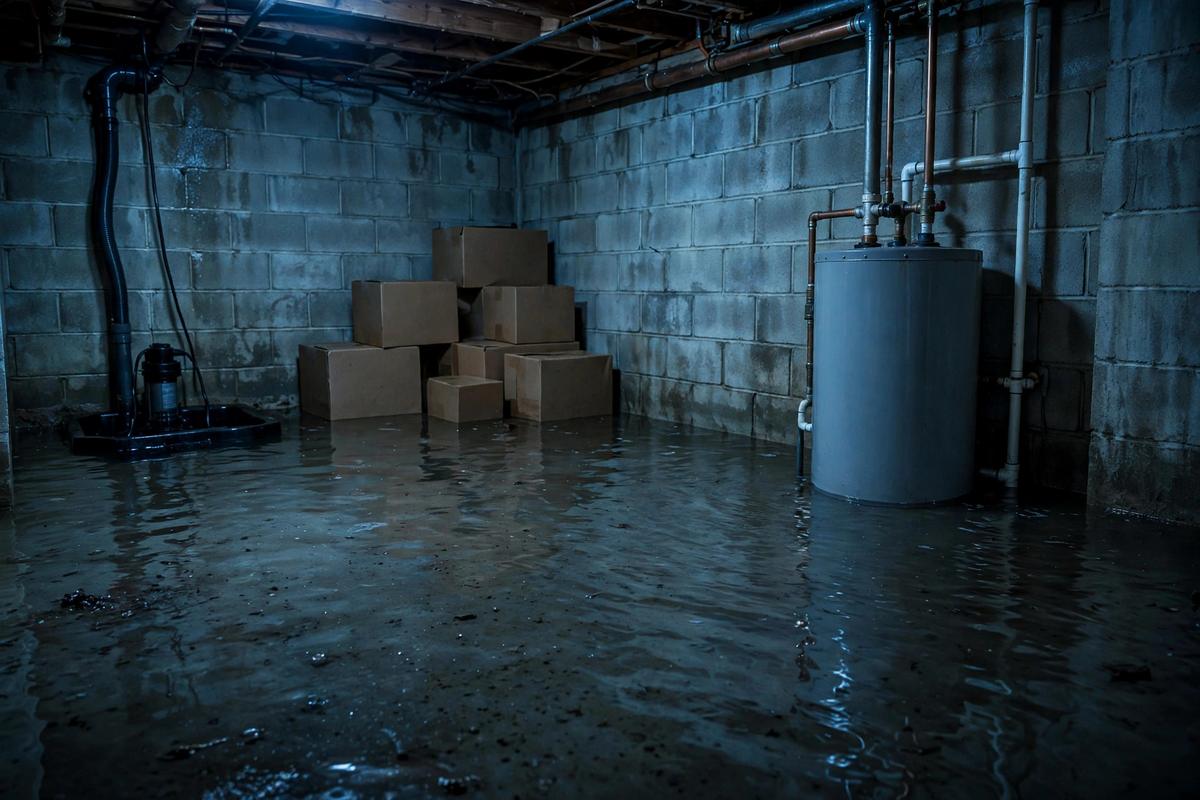
Water Damage Cleanup covers the full job — from initial assessment and water removal through drying, cleanup, and repairs. Call now and we'll connect you with a nearby provider.
Learn More →
Sewage backups expose your home to harmful bacteria, and sewage backup cleanup removes the contamination safely and thoroughly. Call now and we'll connect you with a nearby provider.
Learn More →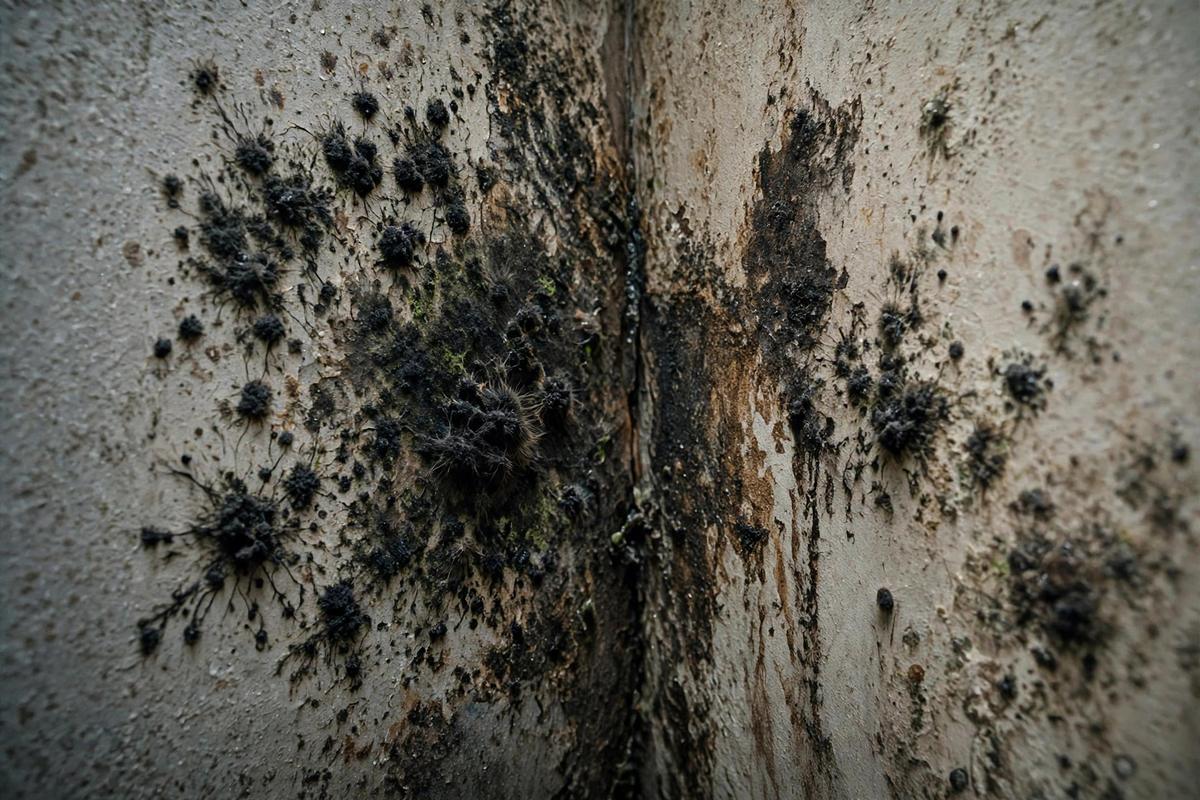
Mold Remediation safely removes mold growth and addresses the moisture that allowed it to thrive. We connect you with local providers in the Washington DC area.
Learn More →
When water damages your property, emergency water damage restoration brings every phase of recovery under one coordinated process. Call now and we'll connect you with a nearby provider.
Learn More →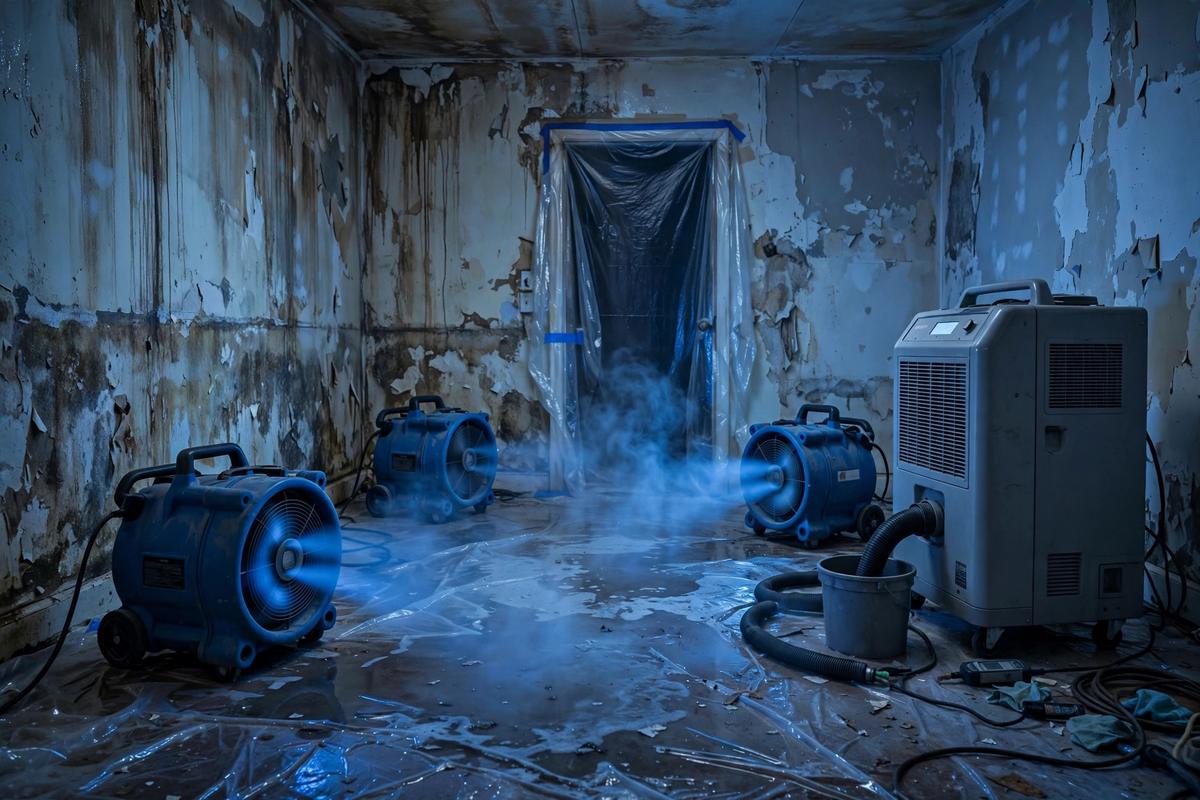
Drying a water-damaged home is not an overnight job. Here is how long it really takes, what affects the timeline, and how professionals know when it is truly dry.
Read guide →
Sewage is Category 3 black water — a genuine biohazard. Learn why DIY cleanup puts your health at risk and what professional containment and disinfection involve.
Read guide →
The company you call after water damage matters. Here's how to choose a water damage provider in Washington DC — questions to ask and red flags to avoid.
Read guide → Water Damage DC
Call Water Damage DC now and we'll connect you with a local provider in Washington, DC — no pressure, no obligation. Lines are open 24/7.
 Scan to call now