Water Damage in Condos: Who Pays for What in Washington DC?
Water damage in a DC condo raises one urgent question: who pays? Here's a general overview of unit owner vs HOA responsibilities — not legal advice.
Read guide →Cupped or buckled hardwood doesn't always mean replacement. Here's how to tell whether your Washington DC floors can be dried and saved — and when it's time to let go.

Yes — hardwood floors can often be saved after water damage, but it depends on how much water they absorbed, how long they stayed wet, and how quickly professional drying begins. If water is extracted within 24 to 48 hours and the boards haven't buckled, there is a good chance they can be restored to normal.
Washington DC homes — from historic rowhouses on Capitol Hill to condos downtown — frequently have original or high-value hardwood floors. Replacing them is expensive and disruptive, so it's worth understanding exactly when drying will work and when replacement is the smarter choice.
When wood absorbs moisture, it expands. How it deforms tells you a lot about the severity of the damage and whether it can be reversed.
Cupping happens when the edges of each board rise higher than the center, creating a washboard effect across the floor. It usually means moisture is coming from below — for example, from a damp subfloor or crawl space. Cupping is often reversible: as the boards dry evenly, they typically flatten back down.
Crowning is the opposite: the center of each board rises higher than the edges. It often appears when the top of the floor dries faster than the bottom — a common result of sanding or heating a cupped floor before it has fully dried. Crowning can usually be corrected by sanding once the floor reaches a normal moisture level.
Buckling is the most serious form of damage. Boards pull away from the subfloor, sometimes lifting several inches. Once hardwood buckles, it almost always needs to be replaced — drying alone cannot reattach or flatten boards that have fully separated.
Professional drying can save hardwood floors in most cases where the damage is caught early and the boards are still secured to the subfloor. The conditions that favor a successful save include:
Solid hardwood generally dries out better than engineered flooring, because engineered boards can delaminate — the veneer separates from the core — when soaked. That said, many engineered floors still respond well to professional drying if treated quickly.
Sometimes drying isn't enough, and replacement is the safer and more economical choice. Replacement is typically needed when:
Drying hardwood isn't just a matter of pointing fans at the floor. Professionals use a controlled process designed to bring the wood back to its normal moisture content gradually — drying too fast can cause cracking and further damage.
Do not sand or refinish your floors while they're still damp. Refinishing cupped boards before they've fully dried can cause crowning — and once a floor is sanded flat in a swollen state, it can shrink into a permanently uneven surface. Patience matters: complete drying can take anywhere from a few days to several weeks depending on the wood species, the finish, and the extent of saturation. Waiting for verified dry readings before refinishing is what separates a lasting repair from a ruined floor.
The single biggest factor in saving hardwood floors is speed. The first 24 to 48 hours matter more than anything else. If your Washington DC home has water-damaged hardwood, call (202) 449-5074 to be connected with a local provider who can assess the damage, begin professional drying, and tell you honestly whether your floors can be saved.
Need help right now? Call (202) 449-5074 — open 24/7. Water Damage DC will connect you with a local provider in Washington, DC.
Quick answers related to this guide.
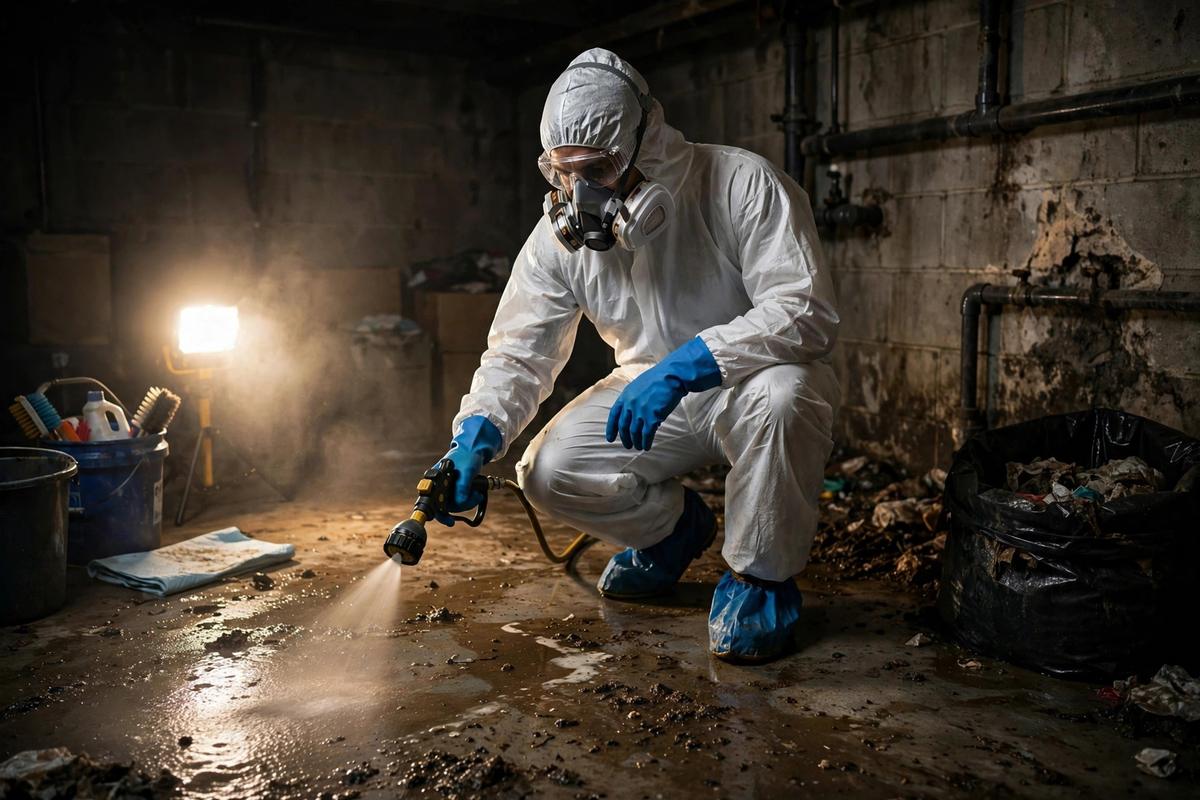
Water Damage Restoration covers the full job — from initial assessment and water removal through drying, cleanup, and repairs. We connect you with local providers in the Washington DC area.
Learn More →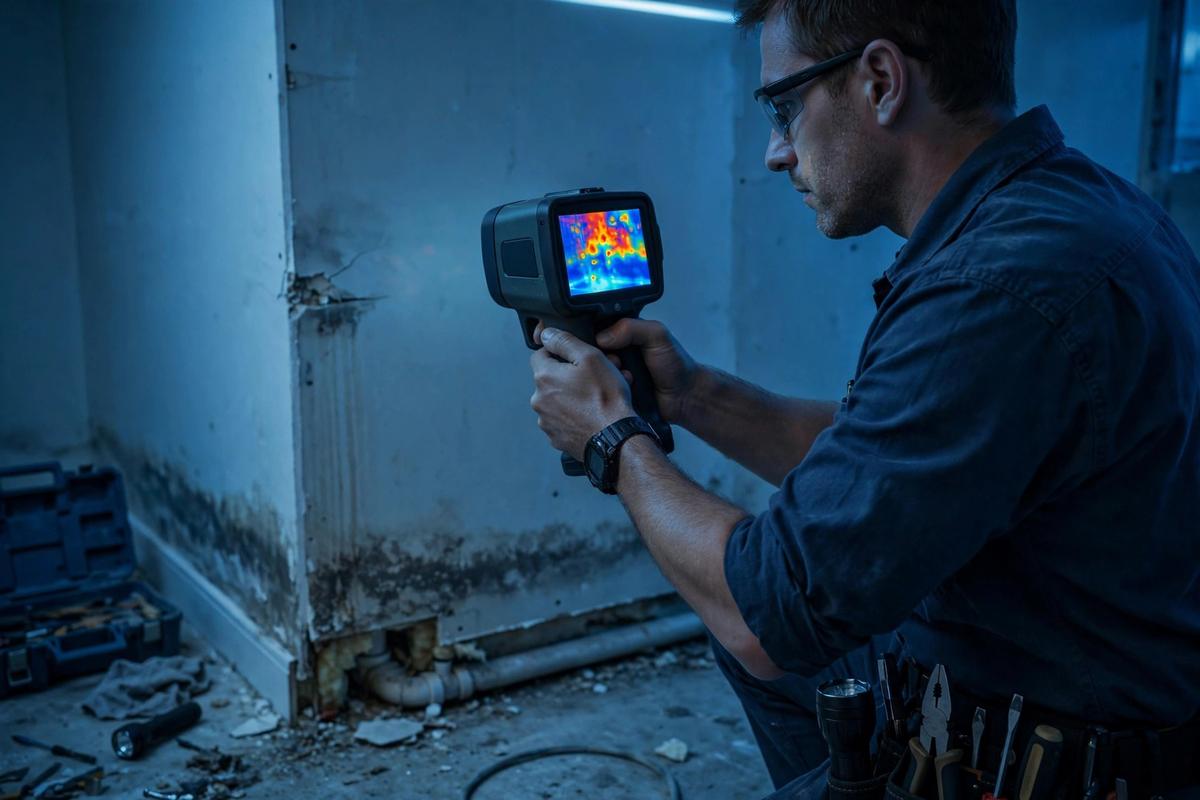
Standing water keeps damaging everything it touches — emergency water extraction removes it fast with high-capacity pumps. We connect you with local providers in the Washington DC area.
Learn More →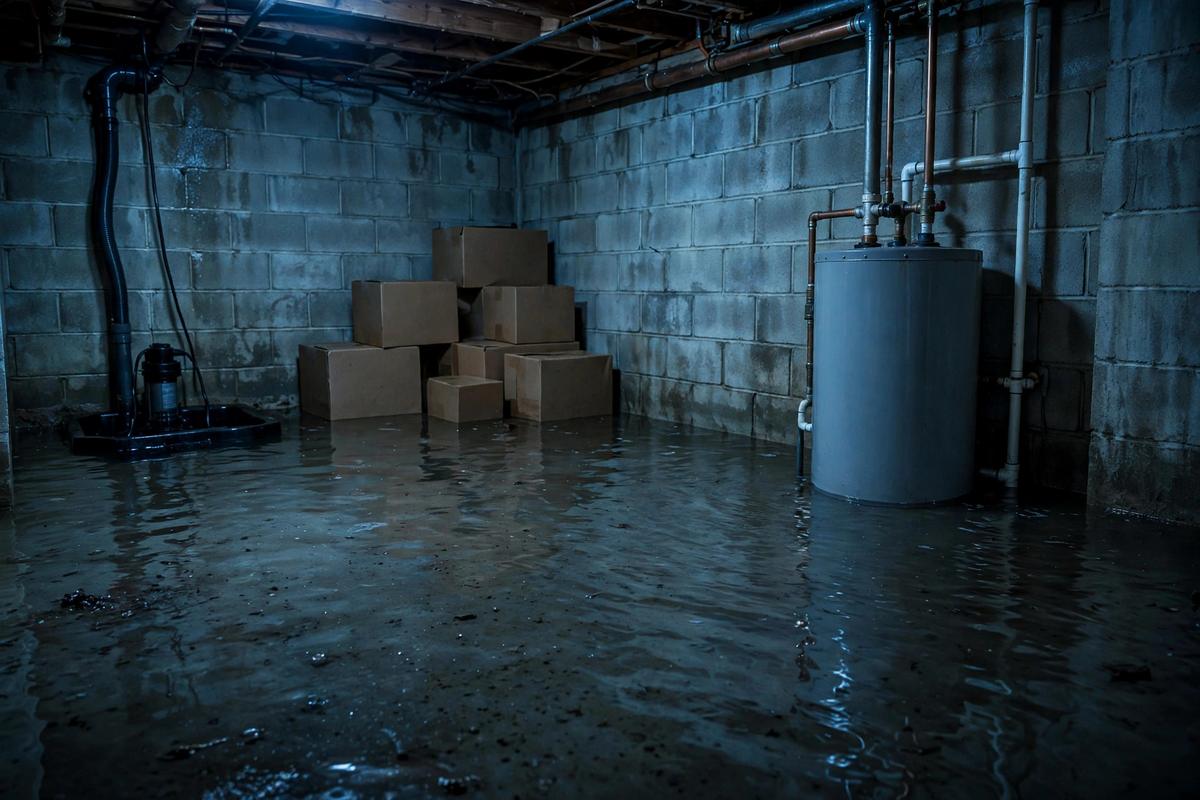
Structural Drying Services removes the hidden moisture trapped in walls, floors, and framing that fans alone can't reach. We connect you with local providers in the Washington DC area.
Learn More →
Water Damage Reconstruction rebuilds what water destroyed — drywall, flooring, cabinets, and more, restored to pre-damage condition. We connect you with local providers in the Washington DC area.
Learn More →
Water damage in a DC condo raises one urgent question: who pays? Here's a general overview of unit owner vs HOA responsibilities — not legal advice.
Read guide →
Ice dams form when heat escapes through the roof, melting snow that refreezes at the eaves. Learn prevention and what to do when meltwater gets inside.
Read guide →
A small leak can become a flooded home when nobody is there to catch it. These simple steps — from shutting off the main valve to smart detectors — protect your house while you travel.
Read guide → Water Damage DC
Call Water Damage DC now and we'll connect you with a local provider in Washington, DC — no pressure, no obligation. Lines are open 24/7.
 Scan to call now