Water damage guide
Water-Damaged Drywall: Repair or Replace? | Washington DC
Small clean-water stains can sometimes be patched, but saturated or contaminated drywall must go. Learn the rules for deciding repair versus replacement.
Washington, DC·Water Damage DC
Should water-damaged drywall be repaired or replaced?
Water-damaged drywall should be replaced when it is saturated, soft, sagging, or contaminated by gray or black water. Small surface stains from a brief clean-water exposure can sometimes be dried, sealed, and patched. The deciding factors are how wet the drywall got, what kind of water hit it, and how long it stayed wet.
When patching works
A patch repair is reasonable when all of the following are true:
- The water was clean (Category 1), for example a brief supply-line drip, not sewage or floodwater
- Exposure was short and the drywall was dried quickly and completely
- The drywall is still firm, flat, and structurally sound, with no softness, swelling, or crumbling
- There is no staining that bleeds through after drying, or staining is minor and sealable
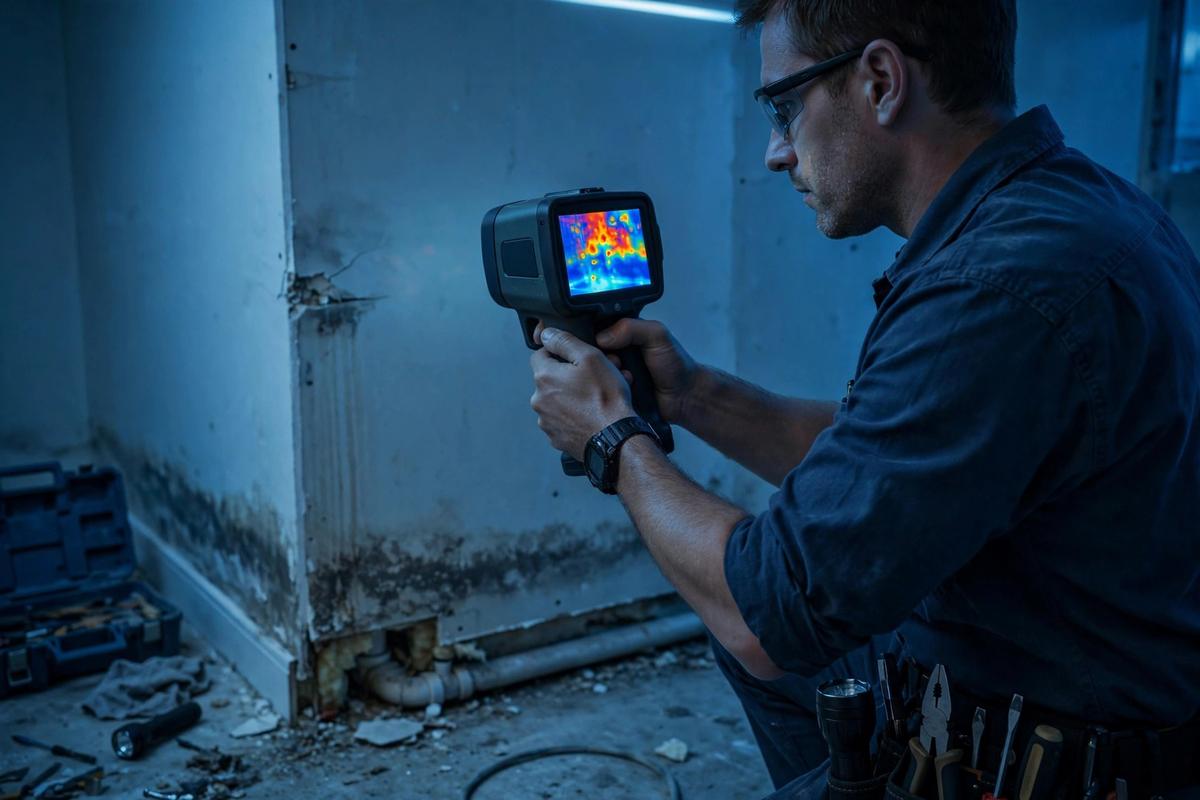
- Moisture meter readings confirm the material is back to dry standards
Even then, the correct process is: dry thoroughly first, then apply a stain-blocking primer, then patch and repaint. Painting over damp drywall traps moisture and guarantees mold.
When replacement is required
Replace the drywall when:
- It is soft, saggy, or crumbling. The gypsum core has lost its integrity and will never be sound again
- It was exposed to Category 2 or Category 3 water. Porous drywall cannot be reliably decontaminated
- It stayed wet longer than 48 hours. Mold growth inside the wall cavity is likely
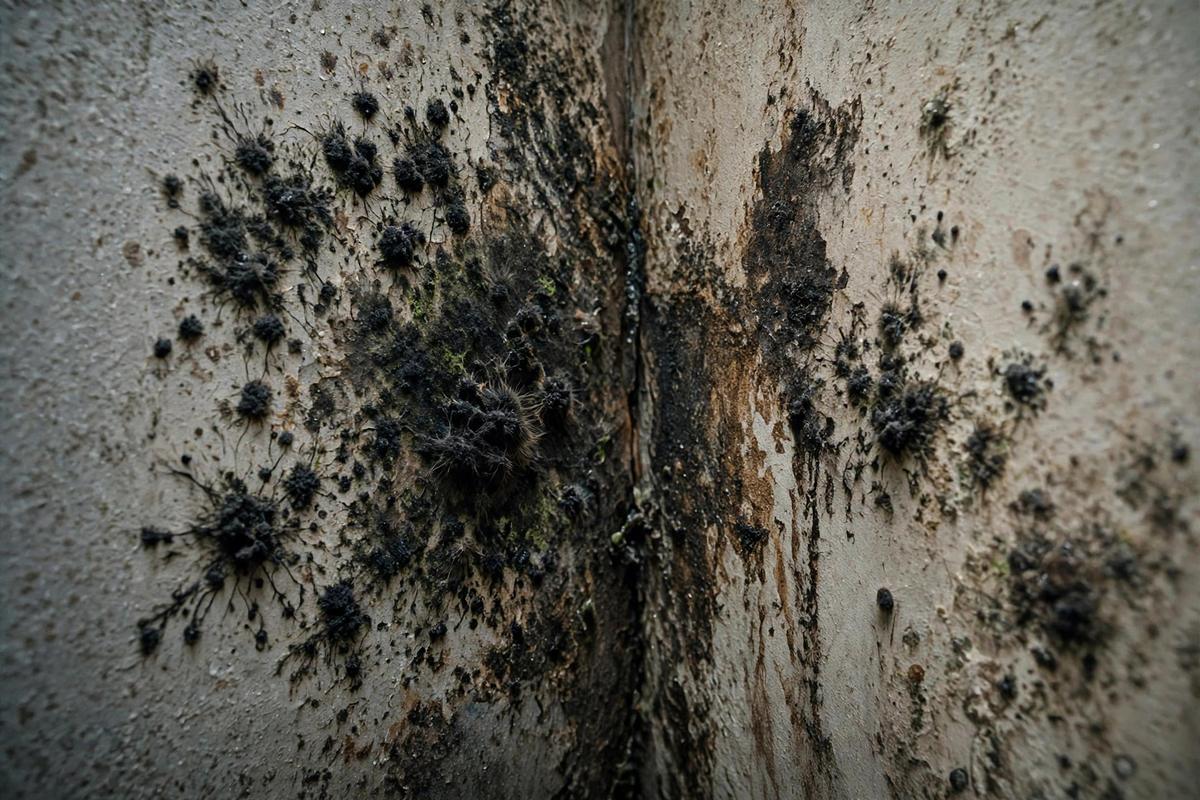
- There is visible mold on or behind the drywall
- The paper facing is delaminating or bubbling extensively
Drywall is inexpensive. The labor to properly remediate mold inside a wall you tried to save costs far more than new drywall.
What is a flood cut?
A flood cut is the controlled removal of the bottom 12 to 24 inches of drywall (sometimes higher, depending on how far water wicked up) after a flood or major leak. Water wicks upward through drywall's paper facing and gypsum core, so damage always extends above the visible waterline. Cutting at a measured height above the moisture line:
- Removes all saturated and contaminated material
- Opens the wall cavity so studs, insulation, and the back of the remaining drywall can dry
- Creates a clean, straight line that makes reinstallation straightforward
Professionals determine the cut height with moisture meters, not guesswork. The cut goes above the highest moisture reading, not just above the visible stain. Taking the extra time to map moisture accurately avoids leaving damp material behind that would force a second repair later.
Category 2 and 3 contamination rules
Water category dictates the rules for porous materials like drywall:
- Category 1 (clean water): drywall may be dried in place if caught quickly and readings confirm it
- Category 2 (gray water): drywall that absorbed gray water should generally be removed, since it cannot be reliably sanitized
- Category 3 (black water): all porous materials in contact with the water, including drywall and insulation, must be removed and discarded
These are not suggestions. They are the industry-standard practice for protecting occupant health. Sewage and floodwater carry pathogens that no surface cleaning can fully remove from porous gypsum.
Do not forget the insulation behind the walls
Wet insulation is the hidden problem in water-damaged walls. Fiberglass batts lose their insulating value when wet and dry very slowly inside a closed cavity. Cellulose insulation can mat down and harbor mold. When drywall is removed for a flood cut, the insulation behind it should be inspected and typically replaced. Drying drywall while leaving soaked insulation in the cavity is one of the most common causes of mold callbacks.
The replacement process
- Moisture-map the walls to determine how high water wicked
- Make flood cuts above the moisture line and remove damaged drywall
- Remove wet insulation from the opened cavities
- Dry the studs and remaining structure with air movers and dehumidification until meter readings confirm dry standards
- Apply antimicrobial treatment where appropriate
- Install new insulation and drywall, then finish and paint
Skipping the drying step, hanging new drywall over damp studs, traps moisture and virtually guarantees future mold.
If you are unsure whether your water-damaged drywall can be saved, do not guess. Hidden moisture and contamination are health risks. Call (202) 449-5074 and we will connect you with a local provider in the Washington DC area who can assess the damage, handle proper removal and drying, and get your walls restored correctly.