How Structural Drying Works: The Equipment Explained
Air movers, LGR dehumidifiers, HEPA scrubbers, and moisture meters — a plain-language guide to the equipment professionals use to dry water-damaged structures.
Read guide →Sewage is Category 3 black water — a genuine biohazard. Learn why DIY cleanup puts your health at risk and what professional containment and disinfection involve.
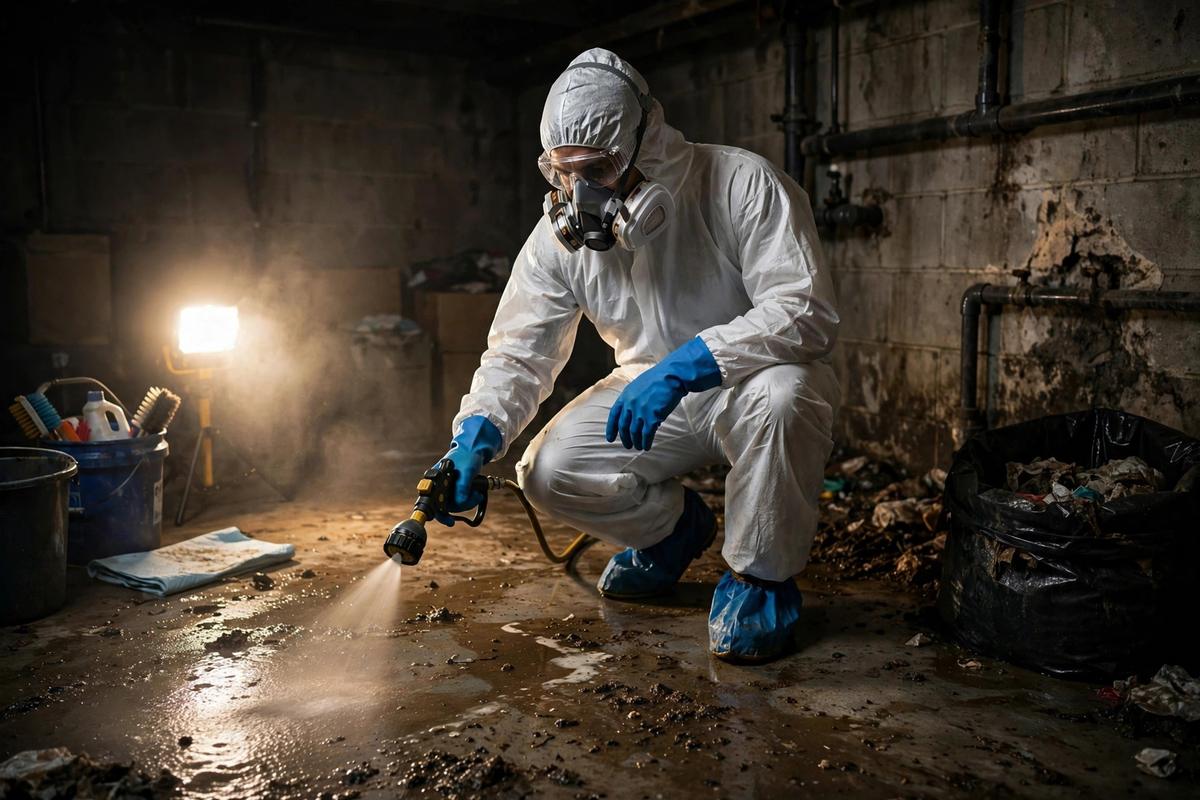
Restoration professionals classify water by contamination level. Category 1 is clean water from a supply line; Category 2 is gray water from appliances. Sewage backup is Category 3 — black water — grossly contaminated and capable of carrying bacteria, viruses, parasites, and other pathogens. In Washington DC, heavy storms can overwhelm older combined sewer infrastructure, sending raw sewage back up through floor drains and toilets in basements and lower levels. This is not dirty water you can mop up — it is a biohazard.
Sewage carries pathogens that can cause gastrointestinal illness, skin and wound infections, respiratory issues, and more — particularly dangerous for children, older adults, and anyone with a weakened immune system or open cuts. Exposure happens through direct contact, splashes, aerosols created by scrubbing or pressure-washing, and contaminated surfaces you touch later. Because the risks are not always visible, assume any area touched by sewage is contaminated until it has been professionally cleaned and disinfected.
Household cleaning cannot match professional sewage remediation. Here is where DIY efforts typically fail:
Just as importantly, drying sewage-contaminated areas with household fans before disinfection can aerosolize pathogens throughout the home. Professionals dry under containment with filtered air handling.
A professional sewage remediation follows a structured protocol:
If sewage has backed up into your home, take only these steps:
This article is general information, not medical advice. If anyone has been exposed to sewage and develops symptoms, contact a medical professional.
DC homeowners can reduce future risk: consider a backwater prevention valve on the main sewer line, keep your sewer lateral inspected and cleared of roots (a common issue with DC's mature street trees), never pour grease down drains, and review whether your homeowners policy includes a sewer backup rider — standard policies usually exclude this coverage.
Timelines vary with the extent of the backup, but most residential sewage remediations take several days: the initial extraction, removal, and disinfection are usually completed in the first visit, while structural drying runs continuously for a few days afterward with daily moisture checks. If contaminated drywall, flooring, or insulation had to be removed, reconstruction follows drying. The important thing is not to rush the sequence — disinfection must be complete before drying finishes, and drying must be verified with moisture readings before any rebuilding begins. Shortcuts at any stage invite lingering contamination or mold.
Need help now? Call (202) 449-5074 to be connected with a local water damage provider in the Washington DC area. The call is free, and providers are ready to discuss your situation and dispatch a team when you need one.
Need help right now? Call (202) 449-5074 — open 24/7. Water Damage DC will connect you with a local provider in Washington, DC.
Quick answers related to this guide.
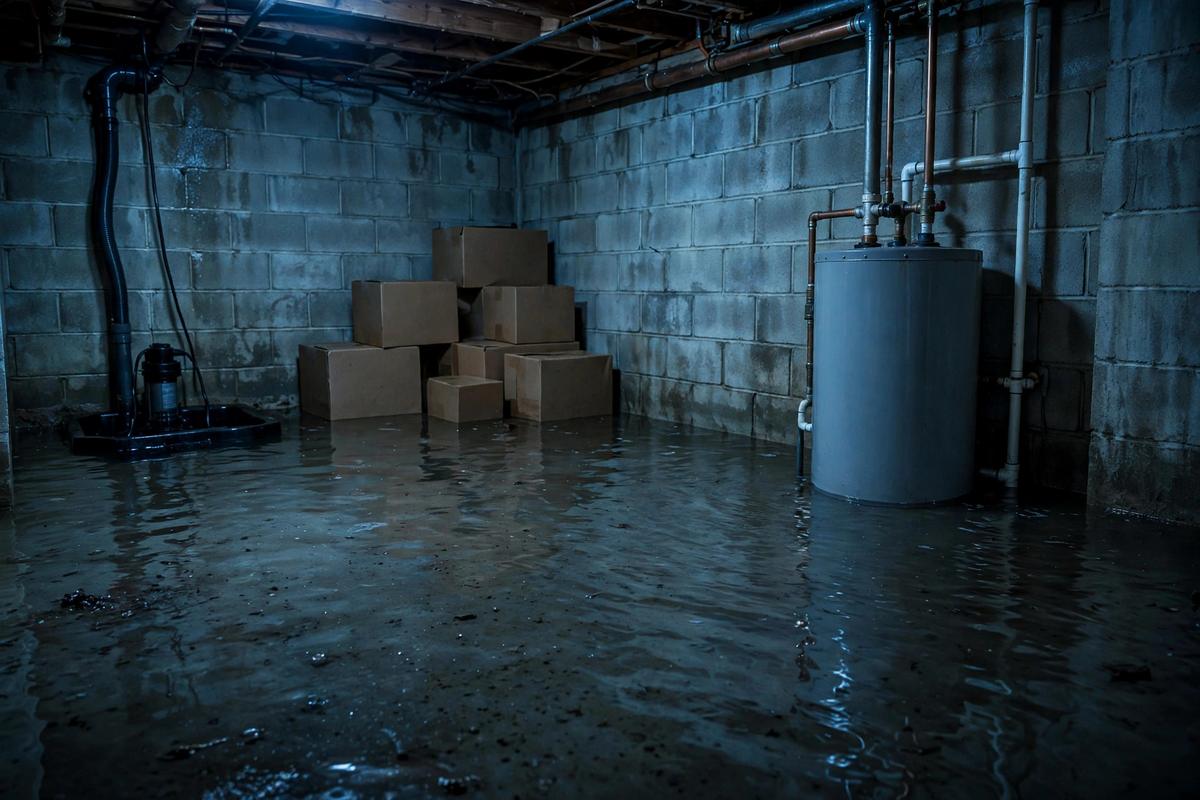
Sewage backups expose your home to harmful bacteria, and sewage backup cleanup removes the contamination safely and thoroughly. Call now and we'll connect you with a nearby provider.
Learn More →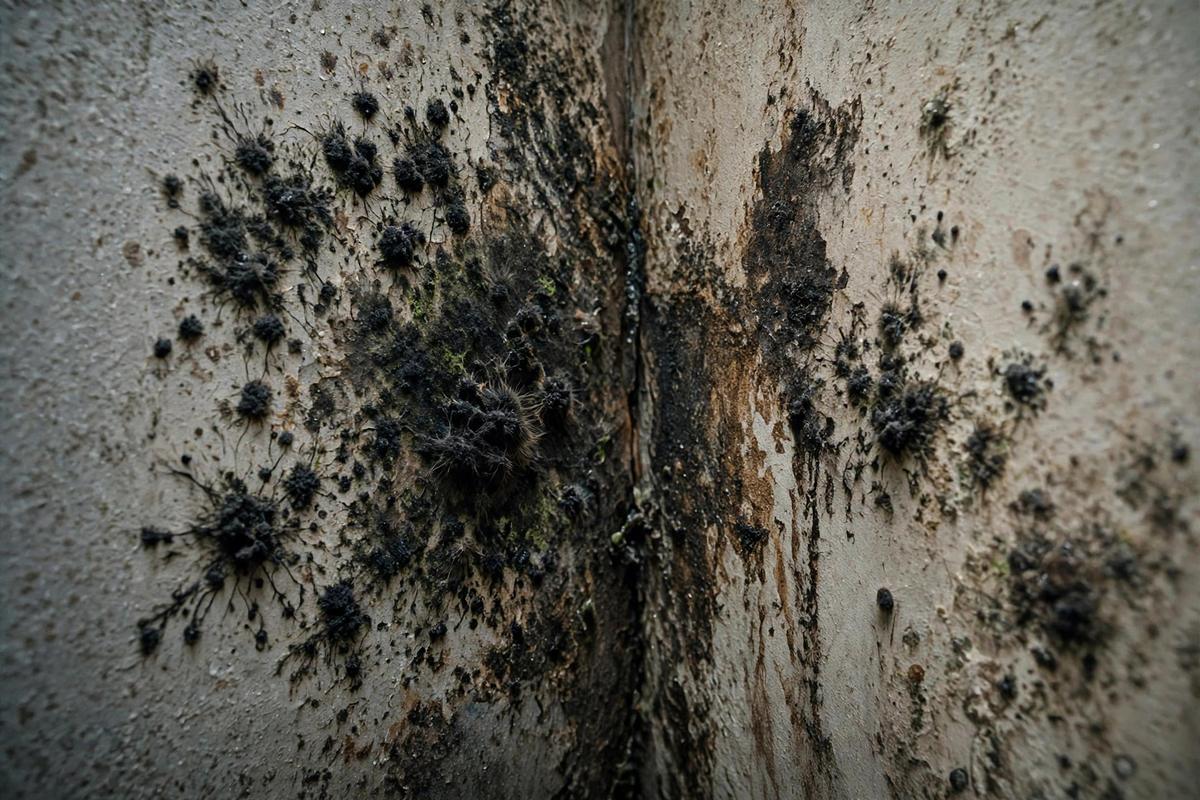
When water damages your property, emergency water damage restoration brings every phase of recovery under one coordinated process. Call now and we'll connect you with a nearby provider.
Learn More →
Mold Remediation safely removes mold growth and addresses the moisture that allowed it to thrive. We connect you with local providers in the Washington DC area.
Learn More →
Water Damage Reconstruction rebuilds what water destroyed — drywall, flooring, cabinets, and more, restored to pre-damage condition. We connect you with local providers in the Washington DC area.
Learn More →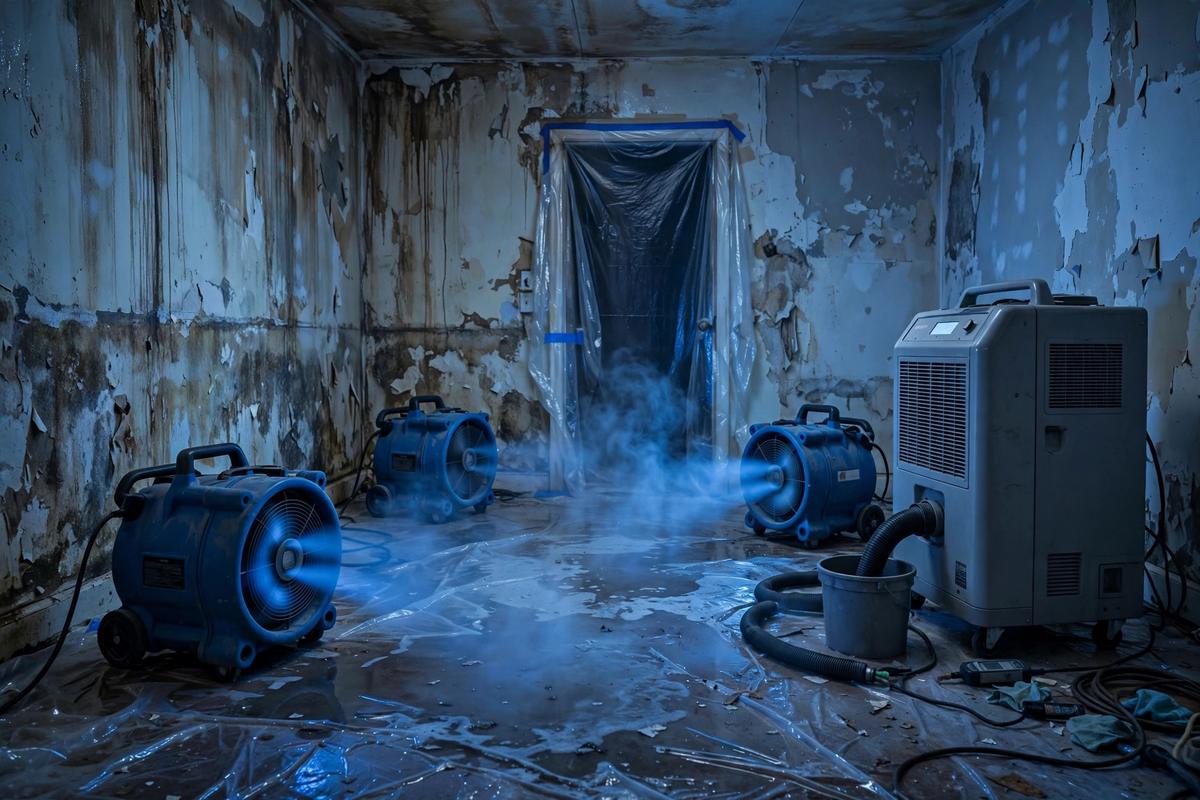
Air movers, LGR dehumidifiers, HEPA scrubbers, and moisture meters — a plain-language guide to the equipment professionals use to dry water-damaged structures.
Read guide →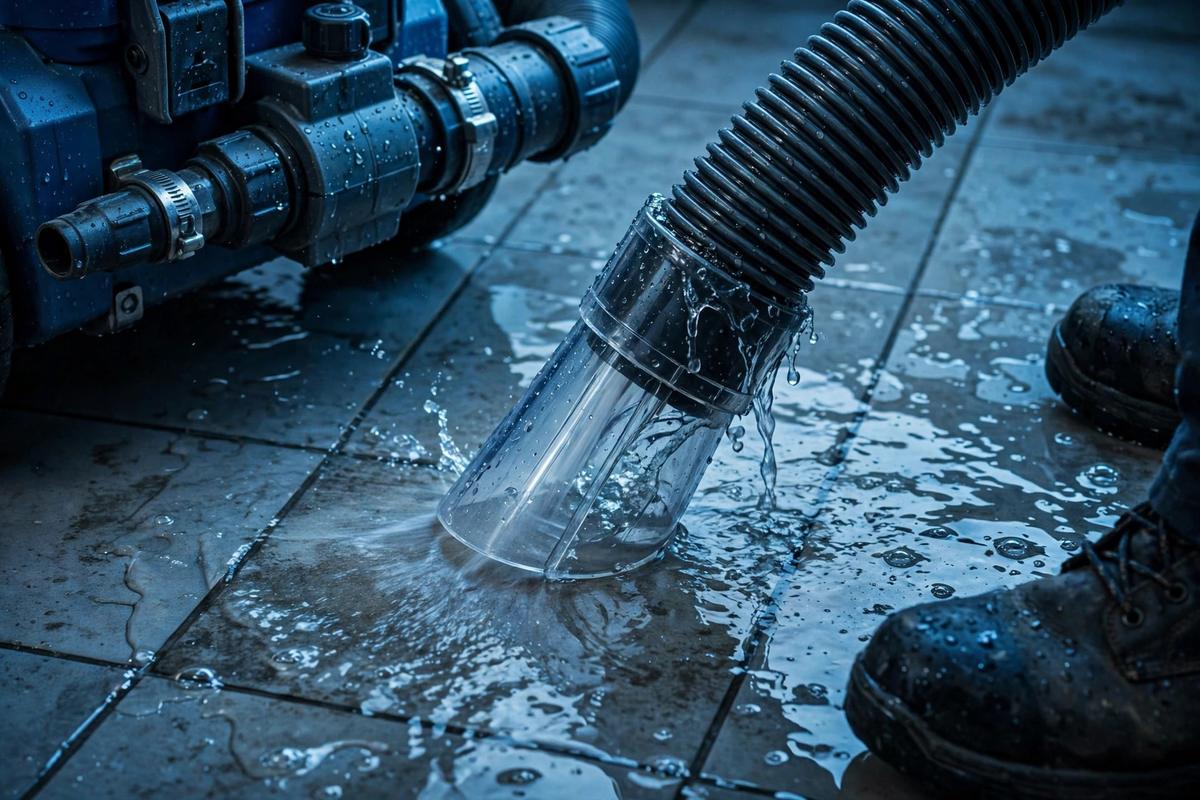
Water heaters rarely fail without warning. Learn the signs of a failing tank so you can act before a flood damages your Washington DC home.
Read guide →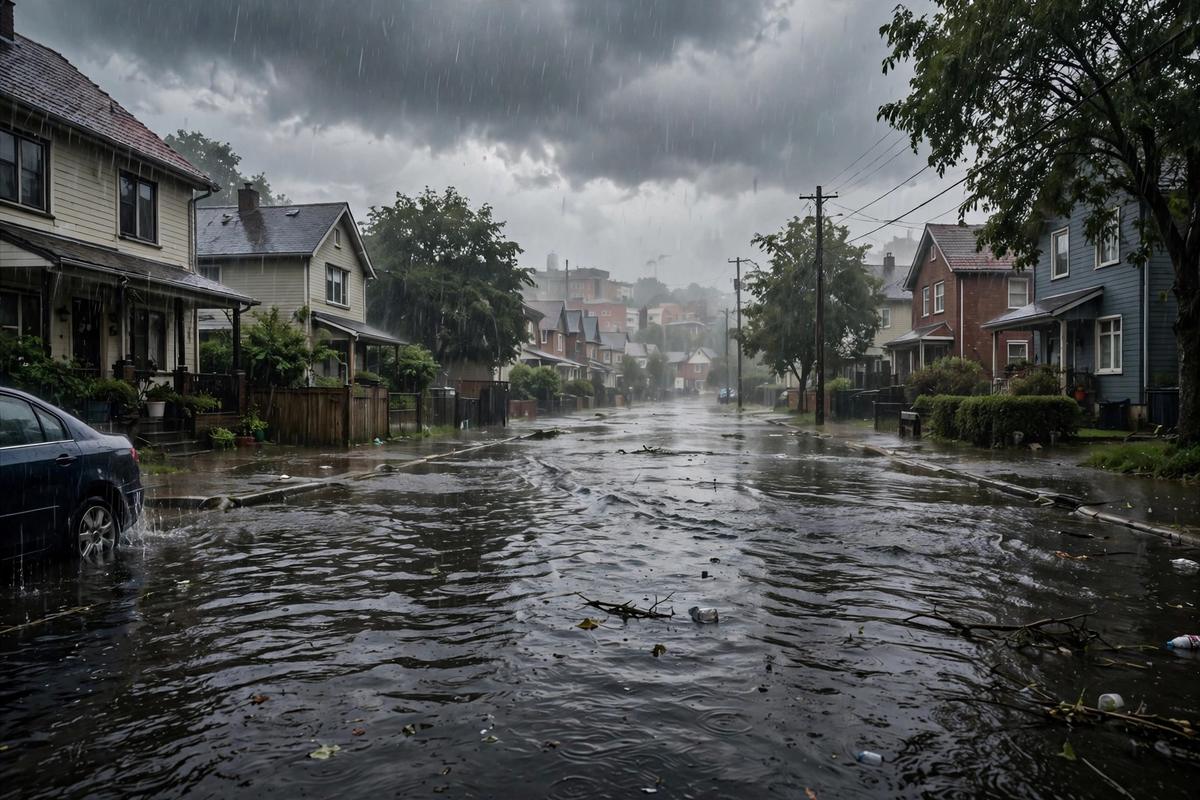
DC's intense storms and flash floods put basements and low-lying homes at risk. This guide covers gutters, grading, sump pump readiness, and emergency planning before the next storm.
Read guide → Water Damage DC
Call Water Damage DC now and we'll connect you with a local provider in Washington, DC — no pressure, no obligation. Lines are open 24/7.
 Scan to call now