Basement Flooding in Washington DC: Common Causes and What to Do First
DC basements flood for predictable reasons. Here is what causes it, what to do in the first minutes, and how to reduce the risk of it happening again.
Read guide →Drying a water-damaged home is not an overnight job. Here is how long it really takes, what affects the timeline, and how professionals know when it is truly dry.
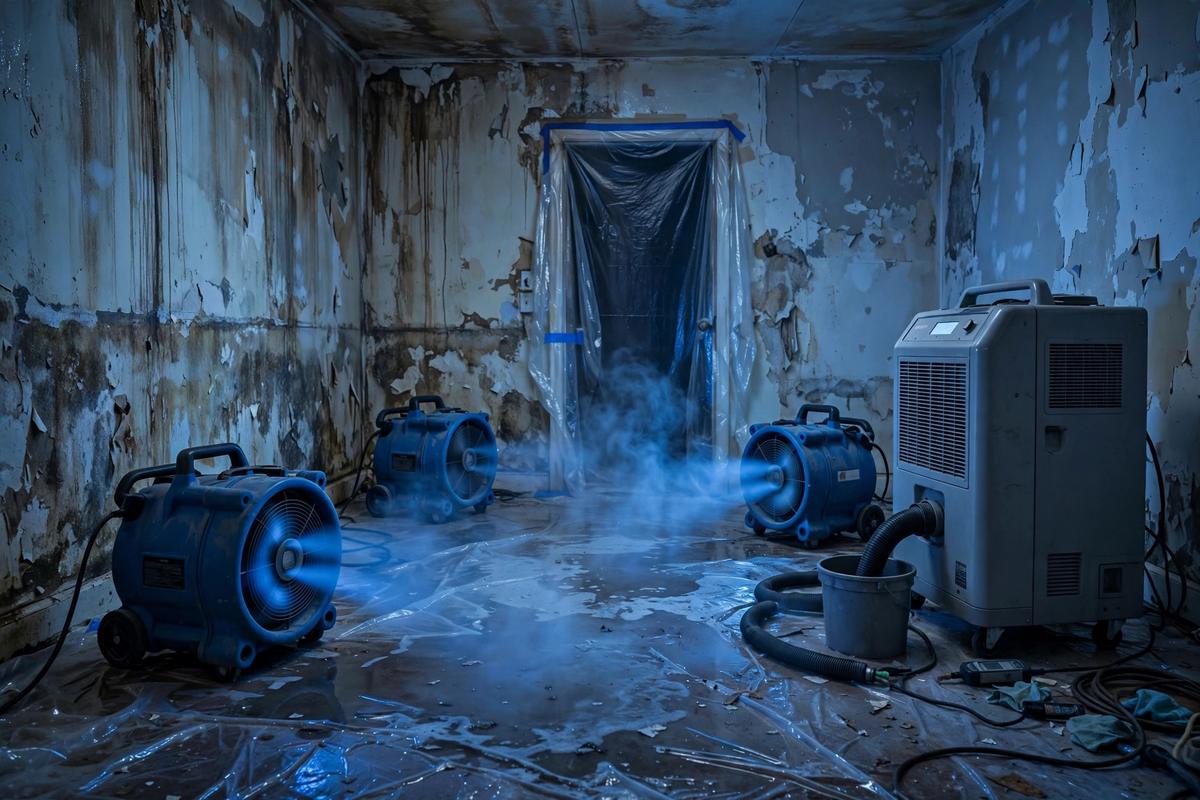
One of the most common questions after water damage is: how long until my house is dry? The direct answer is that most residential drying jobs take between three and five days of active professional drying — but the real range is wider, from a single day for a minor clean-water incident to two weeks or more for severe flooding. Understanding what drives the timeline helps you set realistic expectations and recognize when a job is being rushed.
A small, clean-water leak caught quickly — say, a supply line under a sink that was shut off within minutes — may need only one to three days of drying with targeted equipment. A burst pipe that soaked a room's drywall and carpet typically needs three to five days. A flooded basement with several inches of standing water often takes five to seven days or longer, because concrete and masonry release moisture slowly. Sewage backups and major storm flooding can extend to a week or two, since contaminated materials must be removed and the structure sanitized before drying even begins in earnest.
Different materials hold and release water at very different rates. Drywall wicks moisture upward and dries moderately quickly once exposed to airflow. Hardwood floors are slower — water gets trapped between planks and in the subfloor beneath. Concrete, brick, and plaster are the slowest of all; they absorb deeply and release moisture gradually over many days. Insulation inside wall cavities is a special problem: wet fiberglass or cellulose loses its insulating value and often must be removed so the cavity can dry.
Drying is really about moving moisture from materials into the air, and then removing that moisture from the air. In Washington DC's humid summers, the air is already saturated, which makes dehumidifiers work harder and extends drying time. In winter, dry indoor air actually helps. Professionals manage this with industrial dehumidifiers sized to the space and air movers positioned to create constant airflow across wet surfaces — a setup far more powerful than opening windows and running a box fan.
This is the part homeowners cannot do by feel. A wall can feel dry to the touch while the inside of the wall cavity is still saturated. Professionals use pin and pinless moisture meters to take readings of walls, floors, and structural wood, comparing them against dry standards for the same materials in unaffected areas of your home. They log readings over successive visits and only remove equipment when moisture levels have returned to normal. Some also use thermal imaging cameras to spot hidden pockets of moisture behind walls and under floors.
This verification step is what separates professional drying from guesswork. If equipment is pulled too early, trapped moisture feeds mold growth and can warp wood or weaken drywall weeks later. A reputable provider will show you the readings and explain them — ask to see the numbers.
It is tempting to want the equipment gone and life back to normal, especially with loud air movers running around the clock. But cutting drying short is one of the most expensive mistakes in water damage recovery. Moisture left inside walls or under floors creates the exact conditions mold needs, and mold remediation costs far more than a few extra days of drying. Structural wood that stays wet can also weaken over time. Patience during drying is genuinely the cheaper option.
Keep the drying equipment running continuously — turning it off, even overnight, resets progress. Keep interior doors open to promote airflow unless the technician has set up containment for a contaminated area. Avoid walking on wet carpet or hardwood more than necessary. And resist the urge to start repairs until the provider confirms the structure is dry; painting or laying flooring over damp materials traps moisture and guarantees problems.
Need professional drying for your Washington DC home? Call (202) 449-5074 and we will connect you with a local provider equipped with commercial dehumidifiers, air movers, and moisture meters — and the expertise to verify your home is truly dry before the job is done.
Need help right now? Call (202) 449-5074 — open 24/7. Water Damage DC will connect you with a local provider in Washington, DC.
Quick answers related to this guide.
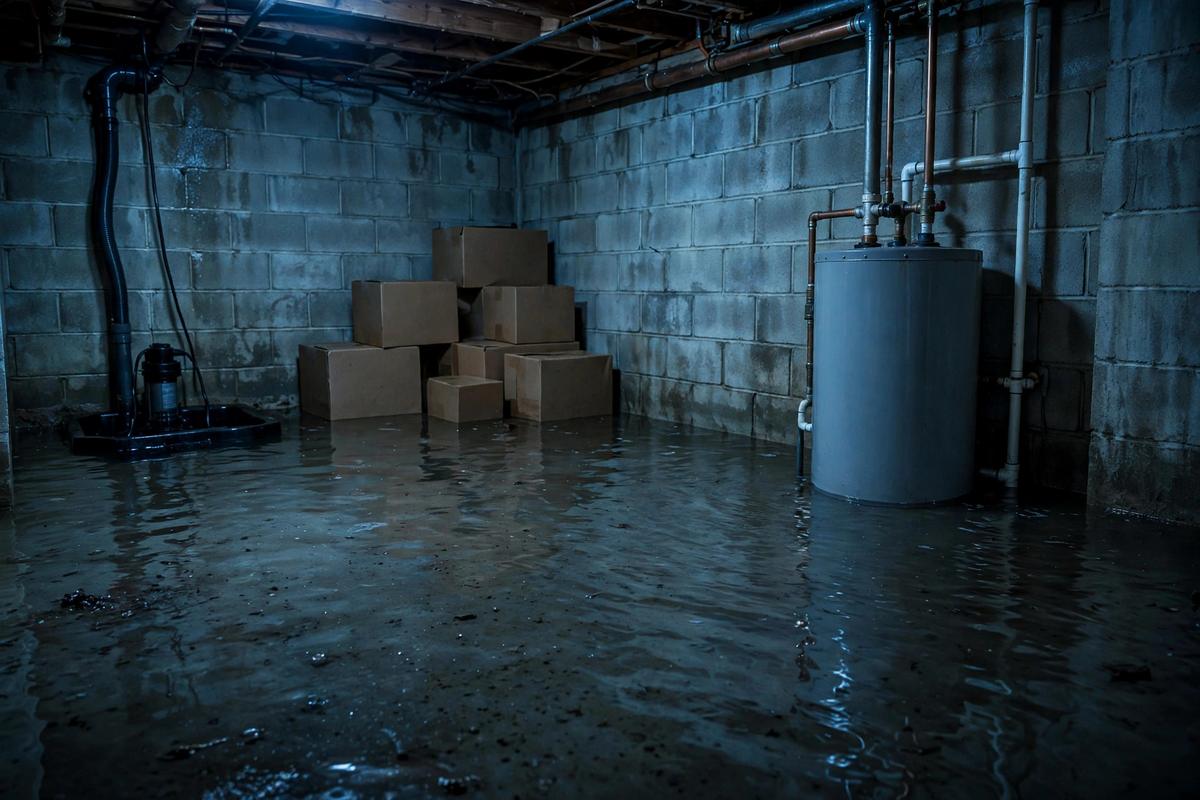
Structural Drying Services removes the hidden moisture trapped in walls, floors, and framing that fans alone can't reach. We connect you with local providers in the Washington DC area.
Learn More →
Dehumidification Services prevents warping, swelling, and mold by bringing moisture levels back to normal throughout the building. Our referral service connects you with qualified local providers.
Learn More →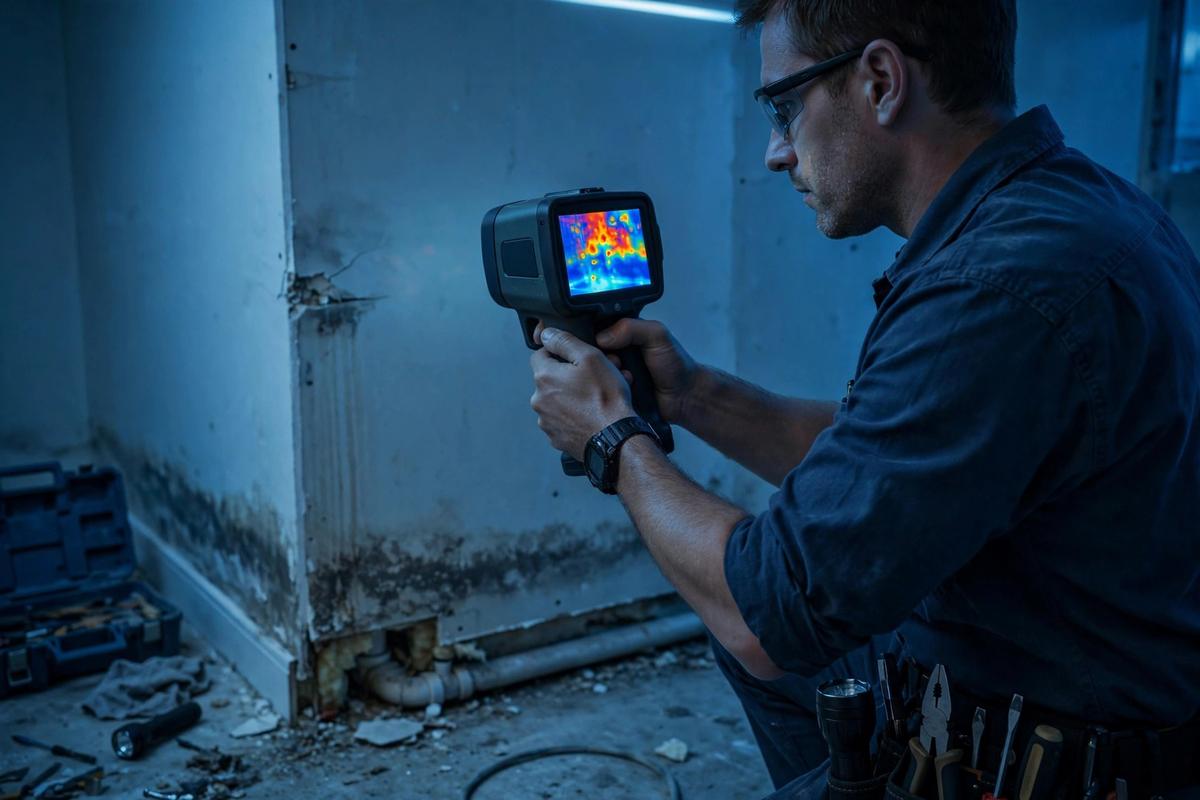
Standing water keeps damaging everything it touches — emergency water extraction removes it fast with high-capacity pumps. We connect you with local providers in the Washington DC area.
Learn More →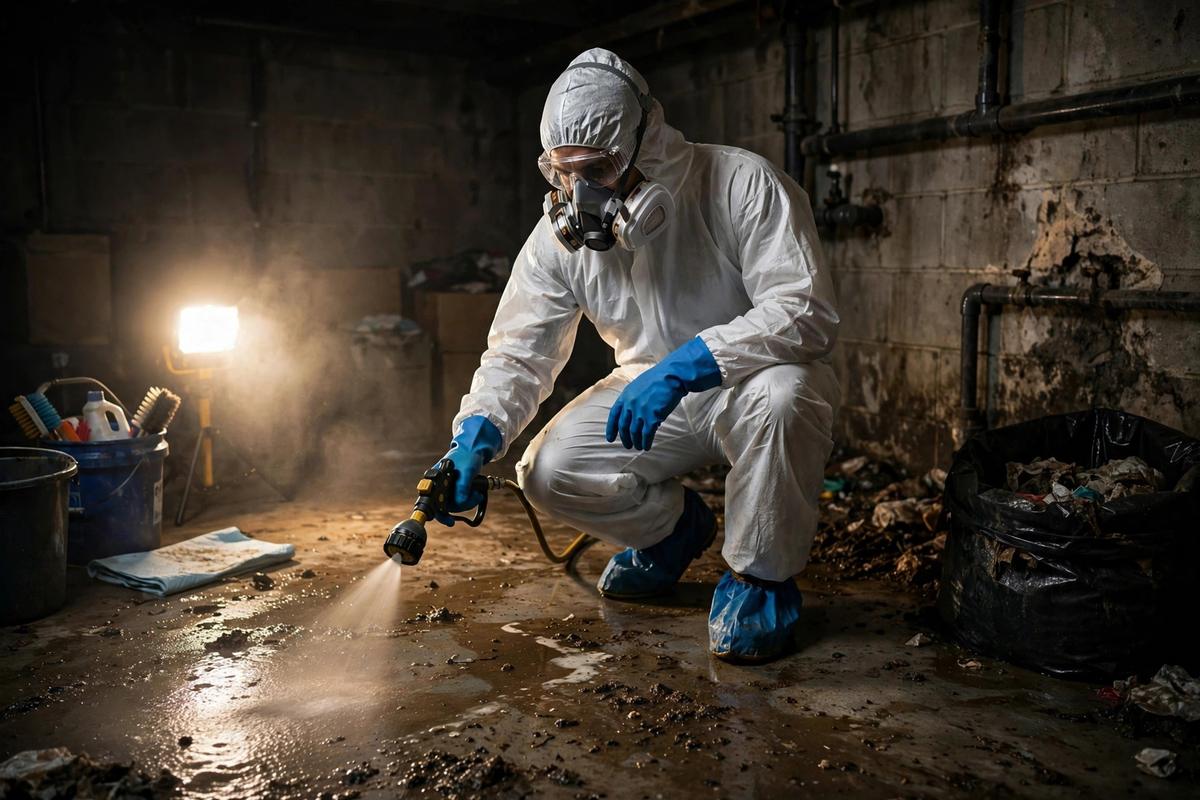
Water Damage Restoration covers the full job — from initial assessment and water removal through drying, cleanup, and repairs. We connect you with local providers in the Washington DC area.
Learn More →
DC basements flood for predictable reasons. Here is what causes it, what to do in the first minutes, and how to reduce the risk of it happening again.
Read guide →
Air movers, LGR dehumidifiers, HEPA scrubbers, and moisture meters — a plain-language guide to the equipment professionals use to dry water-damaged structures.
Read guide →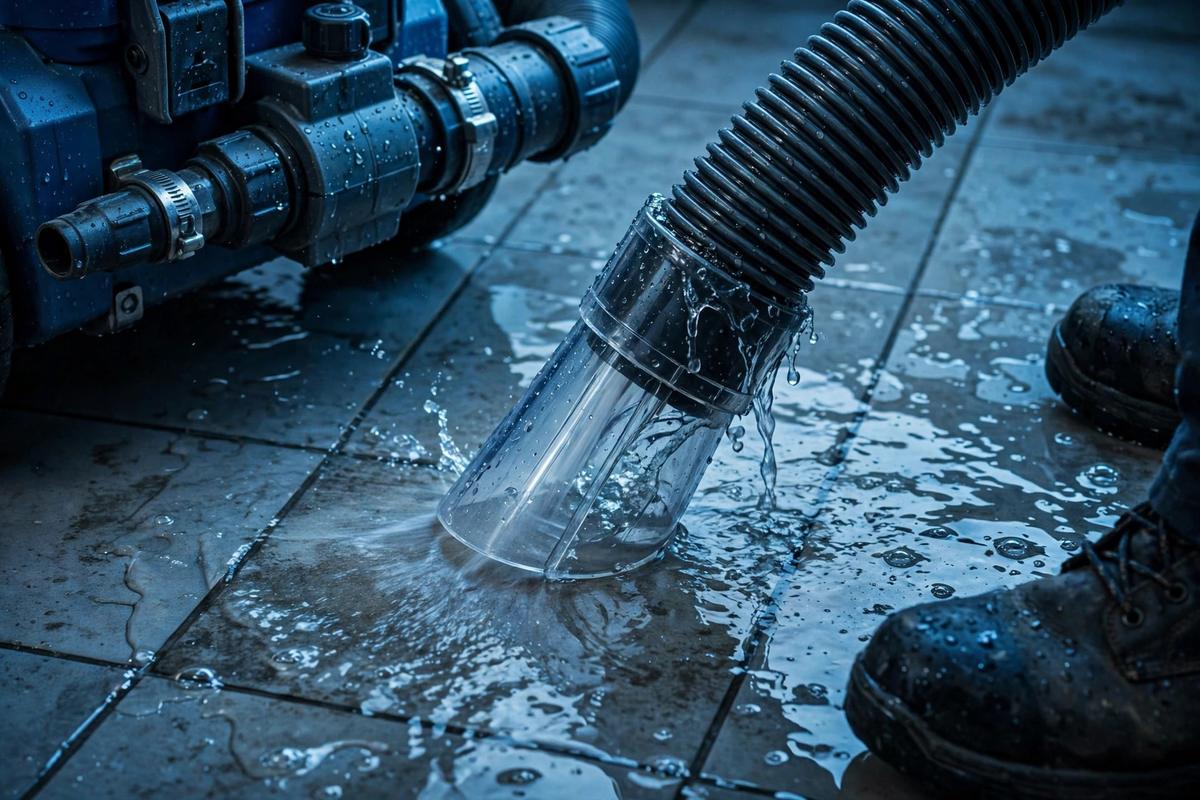
Water heaters rarely fail without warning. Learn the signs of a failing tank so you can act before a flood damages your Washington DC home.
Read guide → Water Damage DC
Call Water Damage DC now and we'll connect you with a local provider in Washington, DC — no pressure, no obligation. Lines are open 24/7.
 Scan to call now