Slab Leaks: 7 Warning Signs Every Homeowner Should Know
Slab leaks hide beneath your foundation, quietly causing damage. These seven warning signs can help you catch one before it becomes a disaster.
Read guide →Mitigation and restoration are two different phases of recovering from water damage. Here's what each one means — and how they fit together.

After water damage, you'll hear two terms thrown around: mitigation and restoration. They're not interchangeable — they describe two distinct phases of the recovery process. Mitigation is the emergency phase that stops the damage from getting worse; restoration is the rebuild phase that returns your property to its pre-loss condition.
Understanding the difference helps you communicate with providers and your insurance company, track your claim, and know what to expect at each stage.
Mitigation means taking immediate action to prevent further damage. It begins the moment professionals arrive and focuses on removing water, drying the structure, and protecting what can still be saved. In Washington DC, where sudden storms, aging pipes in rowhouses, and basement flooding are all common, fast mitigation is what stands between a manageable incident and a gut renovation.
Mitigation typically includes:
The goal of mitigation is stabilization: stop the water, get everything dry, and make the property safe. Most mitigation work happens in the first three to five days.
Once everything is dry and stable, restoration begins. Restoration is the rebuild phase — replacing what was damaged or removed during mitigation so your home or business looks and functions the way it did before the loss.
Restoration work typically includes:
Restoration is essentially construction work, and its scope depends entirely on how much had to be removed during mitigation. A small, quickly caught leak might need only minor drywall patching and paint; a major flood can mean rebuilding entire rooms.
Mitigation and restoration are sequential — restoration can't properly begin until drying is complete. Here is what a typical job timeline looks like:
Rushing restoration before drying is complete is a common and costly mistake. Finishing over damp materials traps moisture, which leads to mold, odors, and failed repairs that have to be redone.
Yes — many water damage providers handle both mitigation and restoration, and there are real advantages to that. A single provider already knows your property's moisture history, holds complete documentation for your insurance claim, and can move straight from drying into the rebuild without a handoff gap. That said, mitigation and restoration are different trades: emergency drying requires specialized extraction and dehumidification equipment, while restoration is finish carpentry, drywall, and painting. Whether you use one company or two, make sure each phase is handled by people experienced in that specific work.
Most homeowners insurance policies cover both mitigation and restoration after a covered loss — but they treat them differently. Mitigation costs are generally covered because your policy requires you to take reasonable steps to prevent further damage after a loss. Restoration costs are covered up to your policy limits, minus your deductible. Understanding which phase a charge belongs to helps you track your claim, organize your documentation, and communicate clearly with your adjuster.
Whether you're dealing with a burst pipe, a flooded basement, or storm damage in Washington DC, both phases matter — and the first one can't wait. Call (202) 449-5074 to be connected with a local provider who can handle emergency mitigation and help you understand what restoration your property will need.
Need help right now? Call (202) 449-5074 — open 24/7. Water Damage DC will connect you with a local provider in Washington, DC.
Quick answers related to this guide.
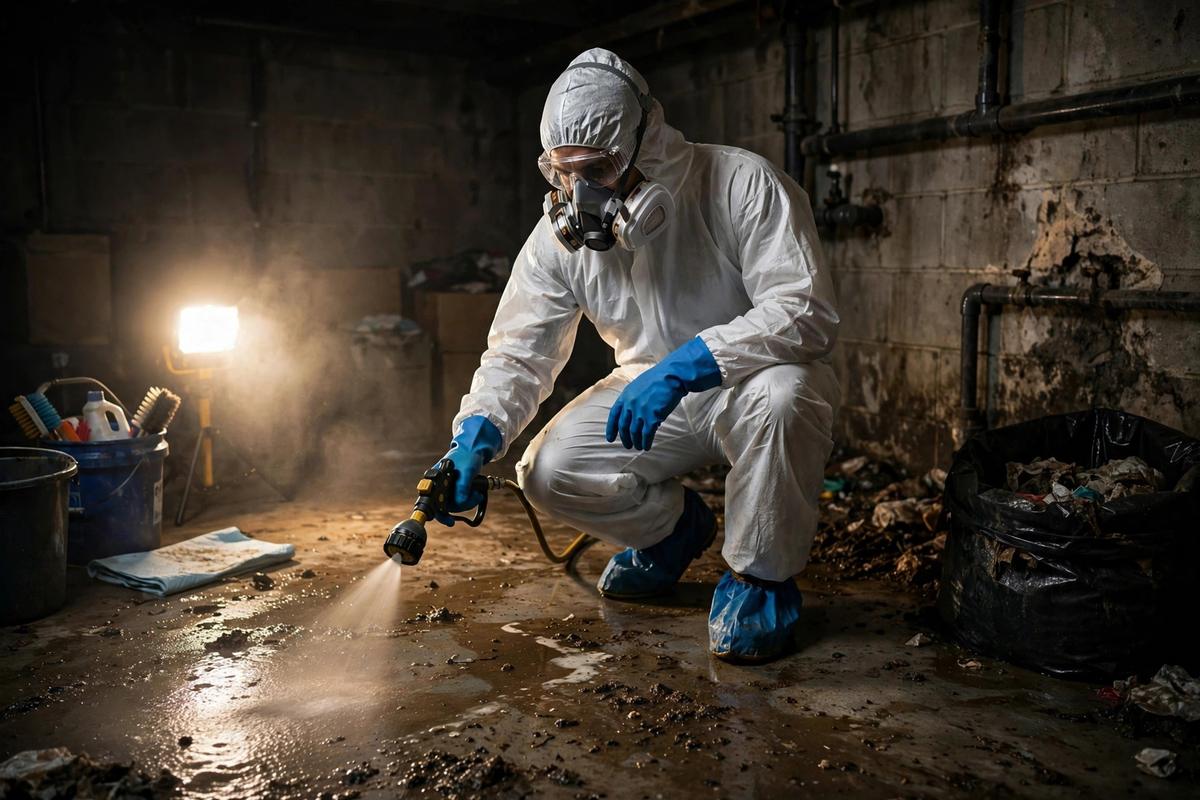
Water Damage Restoration covers the full job — from initial assessment and water removal through drying, cleanup, and repairs. We connect you with local providers in the Washington DC area.
Learn More →
When water damages your property, emergency water damage restoration brings every phase of recovery under one coordinated process. Call now and we'll connect you with a nearby provider.
Learn More →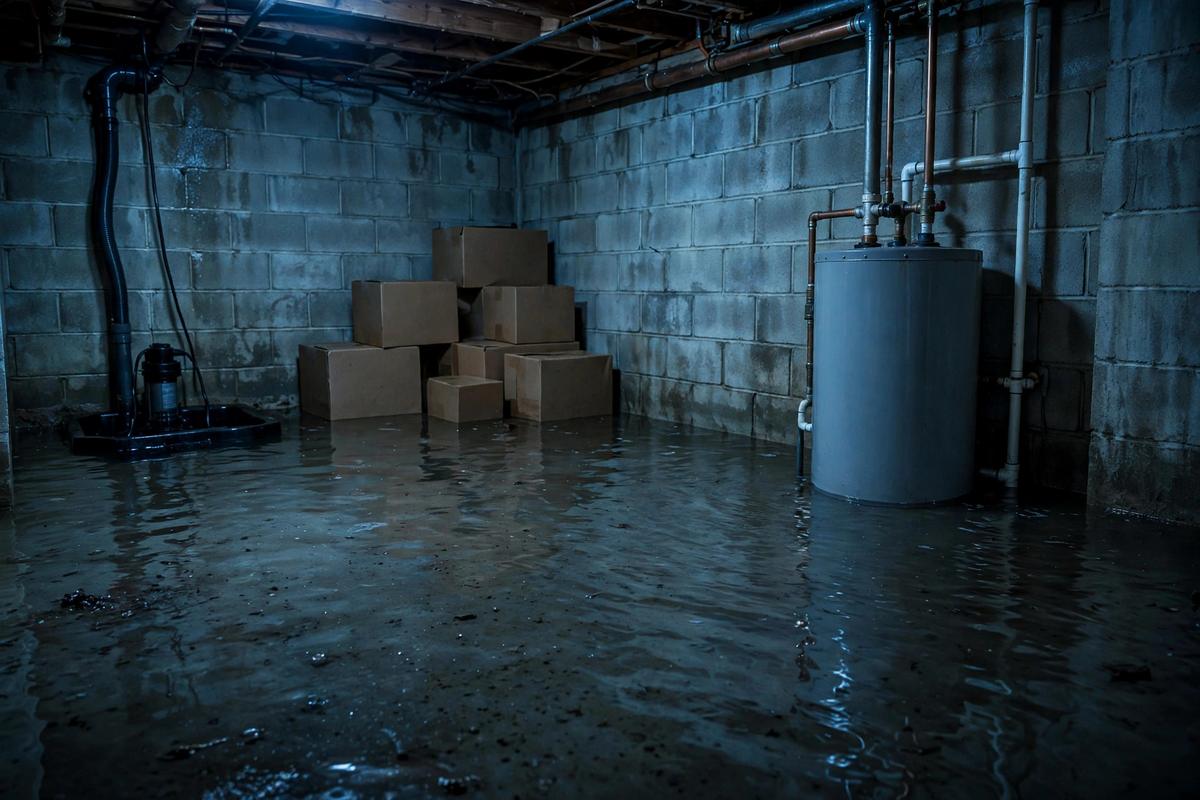
Water Damage Cleanup covers the full job — from initial assessment and water removal through drying, cleanup, and repairs. Call now and we'll connect you with a nearby provider.
Learn More →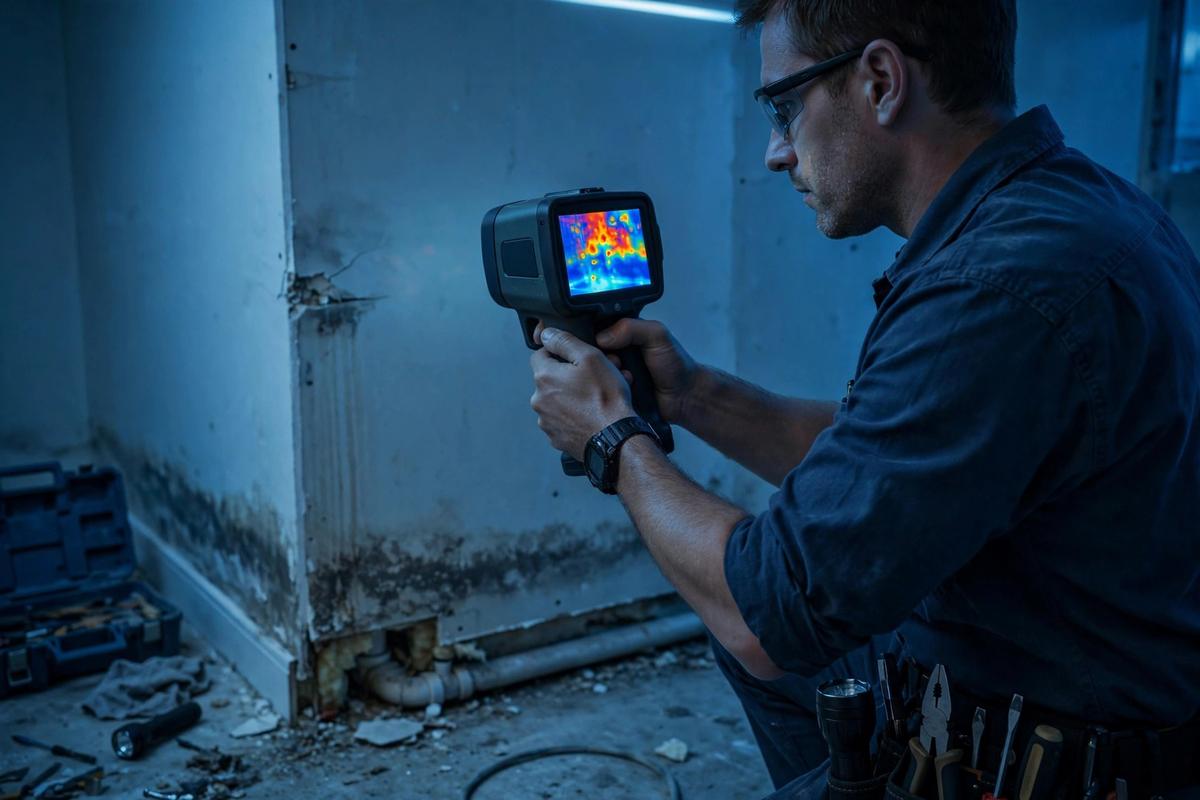
Standing water keeps damaging everything it touches — emergency water extraction removes it fast with high-capacity pumps. We connect you with local providers in the Washington DC area.
Learn More →
Slab leaks hide beneath your foundation, quietly causing damage. These seven warning signs can help you catch one before it becomes a disaster.
Read guide →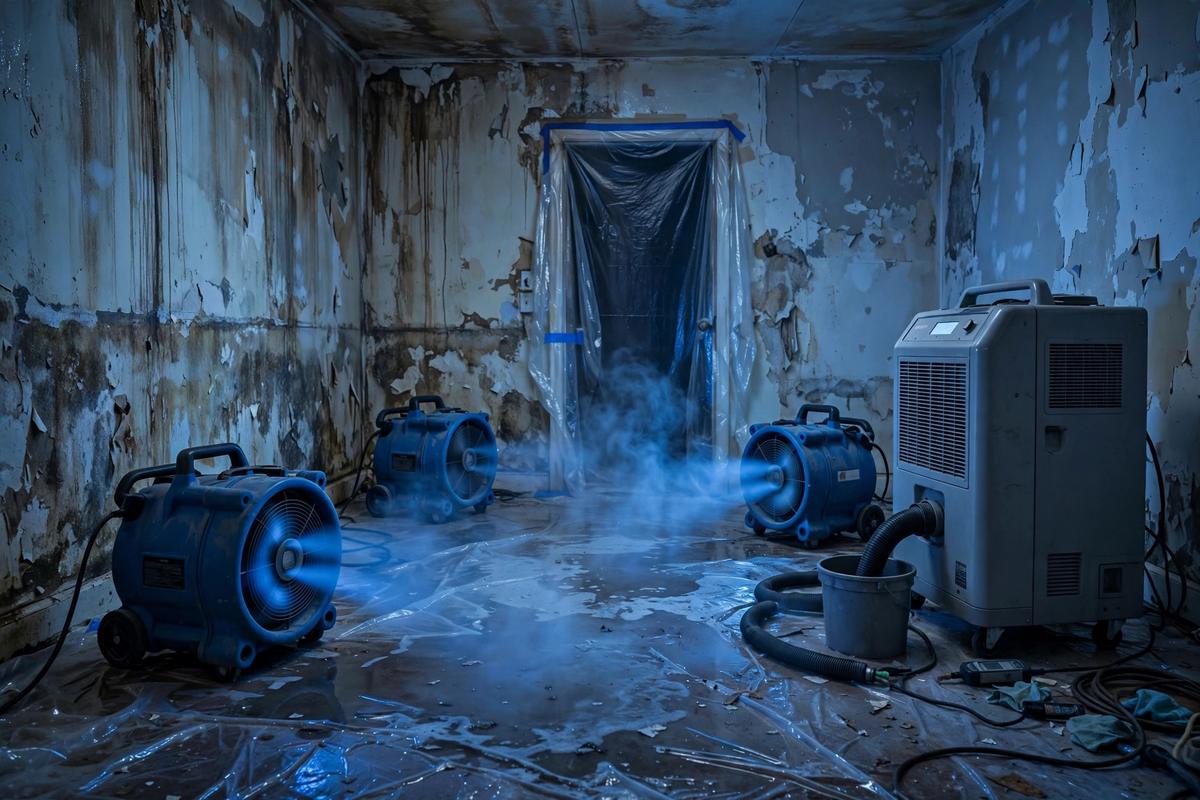
After flooding, a household dehumidifier is usually undersized and too slow. Learn the difference between LGR and conventional units and how sizing works.
Read guide →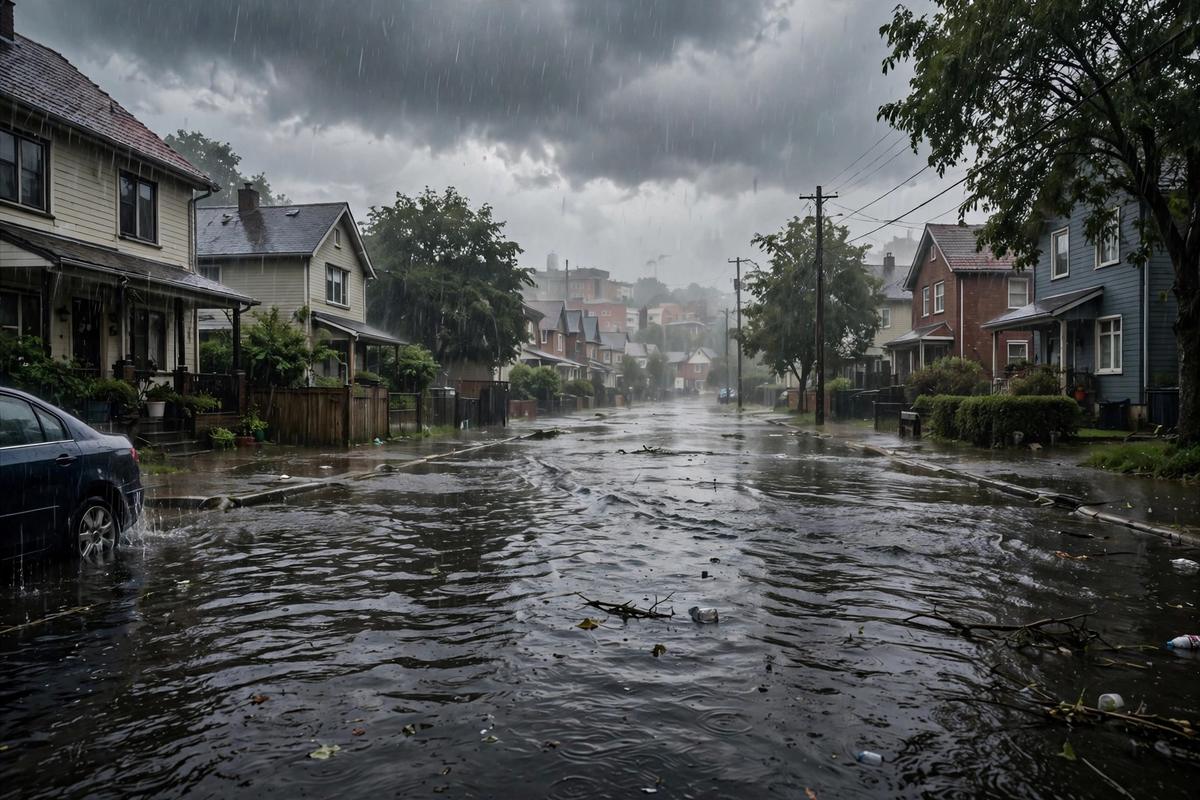
Water damage is a race against time. See what happens at hour one, 24 hours, 48 hours, and beyond — and why calling for help fast changes everything.
Read guide → Water Damage DC
Call Water Damage DC now and we'll connect you with a local provider in Washington, DC — no pressure, no obligation. Lines are open 24/7.
 Scan to call now