Water Damage Categories 1, 2, and 3 Explained
Clean, gray, and black water demand very different responses. Here is how professionals classify water damage — and why the category changes everything about the cleanup.
Read guide →There is no single price for water damage restoration. Here is what actually drives the cost in Washington DC — and what a professional estimate should include.

If you are dealing with water damage in your Washington DC home, one of your first questions is probably about cost. The honest answer is that there is no fixed price: restoration costs vary widely depending on what got wet, how badly, and what it takes to dry and repair it. Rather than guessing at a number, it helps to understand what drives the cost — so you can read an estimate with confidence and know which questions to ask.
Professionals classify water damage into three categories, and the category is the single biggest factor in what the job requires. Clean water from a burst supply pipe is the simplest to handle. Gray water — from appliances, showers, or sinks — carries contaminants and needs more careful cleaning. Black water, such as sewage backups or flooding from outside, requires extensive sanitizing, protective protocols, and removal of porous materials. The more contaminated the water, the more labor, equipment, and disposal the job demands.
The square footage of the affected area is the next major driver. A small leak under one bathroom sink is a very different job from a flooded basement covering a thousand square feet. Larger areas need more extraction work, more drying equipment running longer, and more material replacement. Multi-room damage also multiplies the complexity, because water travels along walls and under floors in ways that are not always visible at first.
What the water touched matters as much as how much water there is. Drywall wicks up moisture and often must be cut out and replaced. Hardwood floors can warp and cup if they stay wet. Carpet and padding absorb water deeply and may need removal. Tile over a concrete slab, by contrast, often dries with far less demolition. A provider will assess which materials can be dried in place and which must be removed — and that split shapes the estimate significantly.
Professional drying is not a one-visit job. Industrial dehumidifiers and air movers typically run for several days, and a technician should return to check moisture readings with meters before declaring the job done. Longer drying times mean more equipment days and more monitoring visits, which is reflected in the estimate. DC's humid summers can extend drying times, while winter's drier air can help — another reason local providers matter. Jobs that require containment for contaminated water also take longer, because every step must follow stricter safety protocols.
Washington DC is a high-cost labor market, and restoration work here reflects that. Skilled technicians, proper insurance, and commercial-grade equipment all cost more in the District than in lower-cost regions. That is also why it pays to work with providers who actually serve DC: they understand local building types — rowhouses, garden apartments, historic homes — and local conditions like high water tables and aging infrastructure.
A thorough estimate should spell out each part of the job so you can see exactly what you are paying for. Expect it to cover:
Because so much of the damage hides inside walls, under floors, and behind baseboards, no one can give you a meaningful price over the phone. Moisture meters and thermal imaging reveal the full extent of the problem, and only then can a provider scope the work accurately. Be cautious of anyone who quotes a firm price sight unseen — it usually means the number will change once work begins. A proper assessment also identifies secondary issues, like early mold growth, before they turn into separate expensive problems.
Call (202) 449-5074 and we will connect you with a local Washington DC provider who can come out, assess the damage properly, and give you a detailed written estimate. An on-site assessment is the only way to know what your job will actually involve — and what it will cost.
Need help right now? Call (202) 449-5074 — open 24/7. Water Damage DC will connect you with a local provider in Washington, DC.
Quick answers related to this guide.
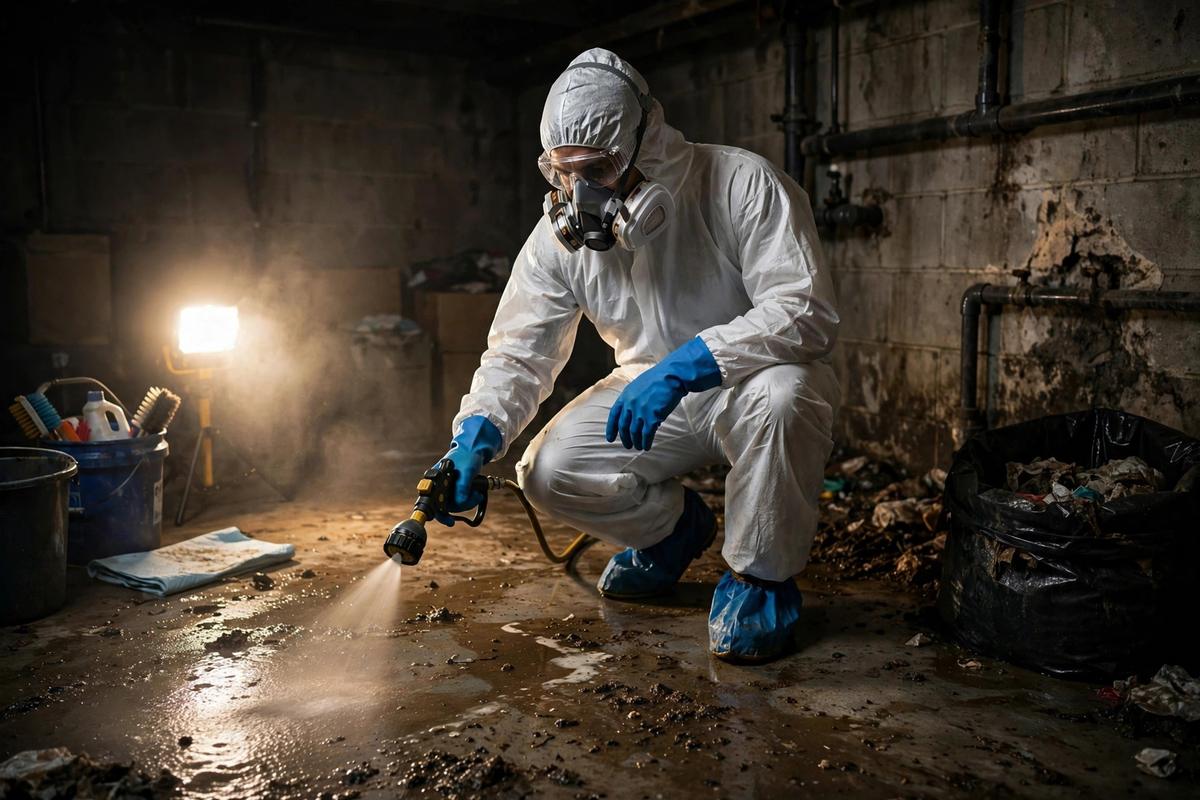
Water Damage Restoration covers the full job — from initial assessment and water removal through drying, cleanup, and repairs. We connect you with local providers in the Washington DC area.
Learn More →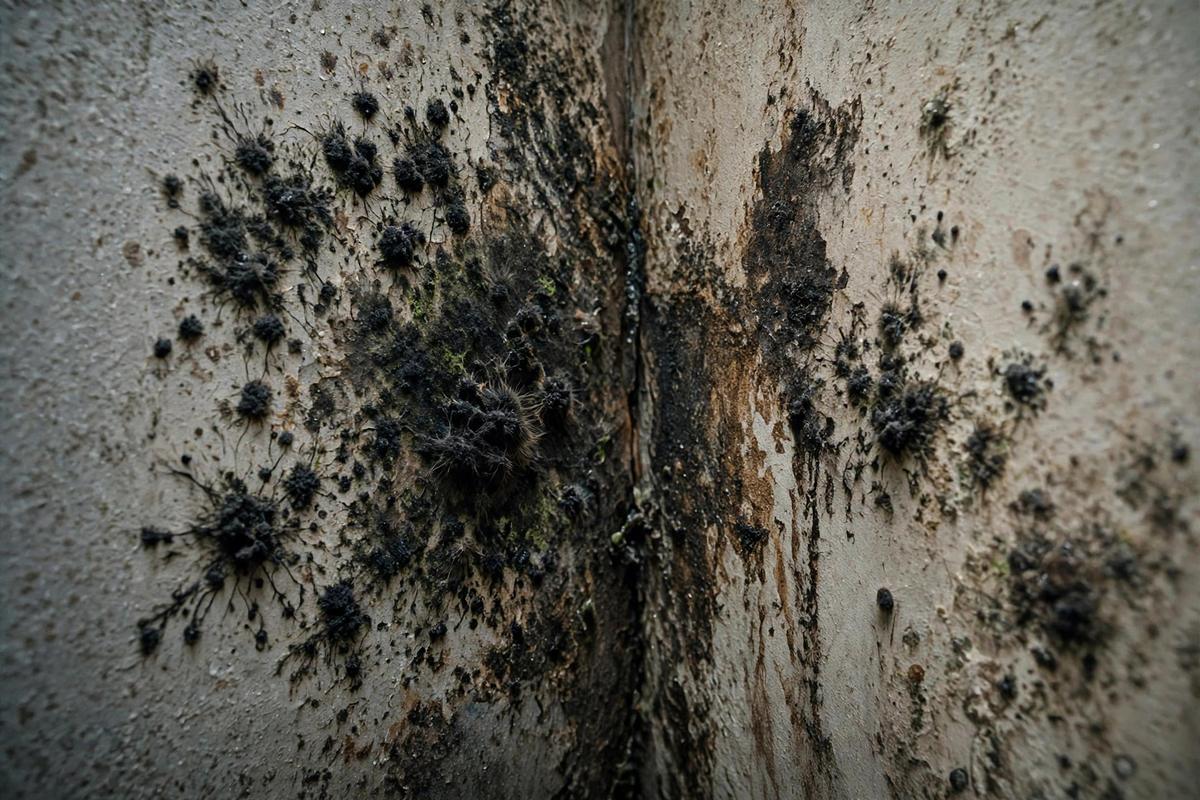
When water damages your property, emergency water damage restoration brings every phase of recovery under one coordinated process. Call now and we'll connect you with a nearby provider.
Learn More →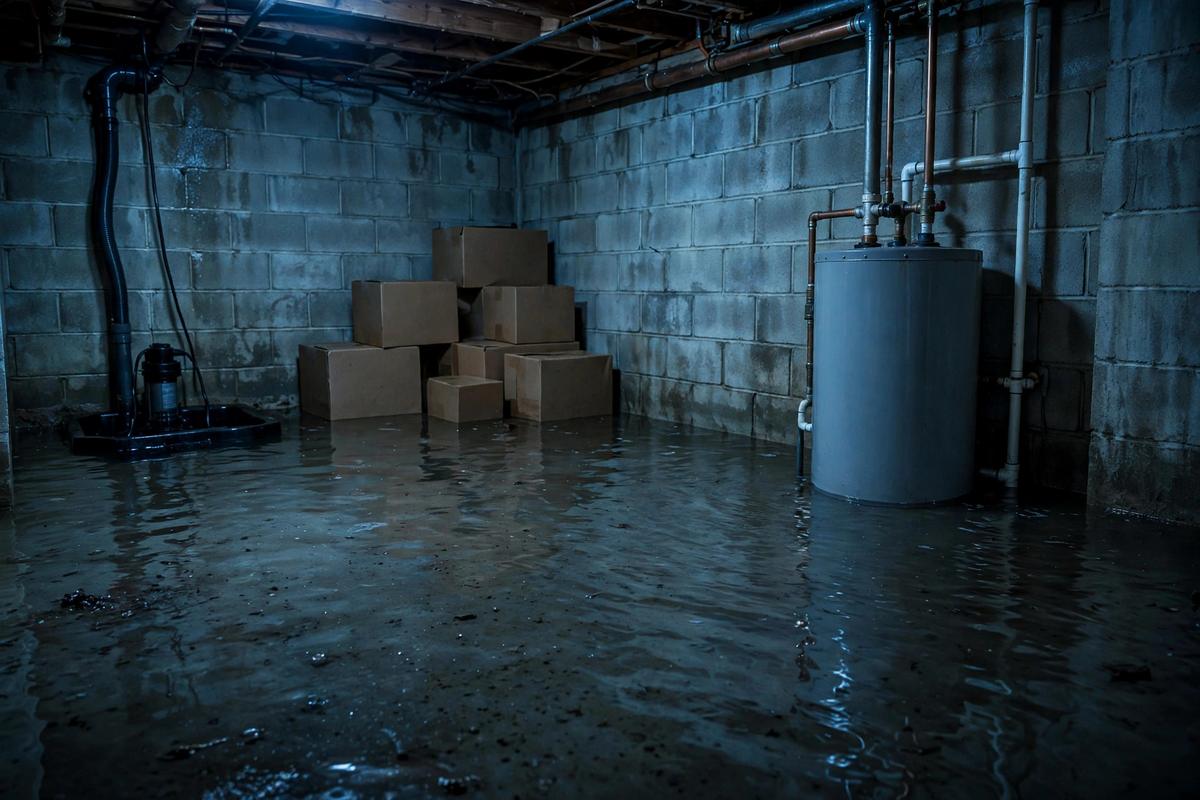
Structural Drying Services removes the hidden moisture trapped in walls, floors, and framing that fans alone can't reach. We connect you with local providers in the Washington DC area.
Learn More →
Water Damage Insurance Claim Assistance helps you navigate the claims process with proper documentation and estimates. We connect you with local providers in the Washington DC area.
Learn More →
Clean, gray, and black water demand very different responses. Here is how professionals classify water damage — and why the category changes everything about the cleanup.
Read guide →
Sump pumps fail during storms and outages — exactly when basements need them most. Compare battery, water-powered, and dual-pump backups, plus a maintenance schedule.
Read guide →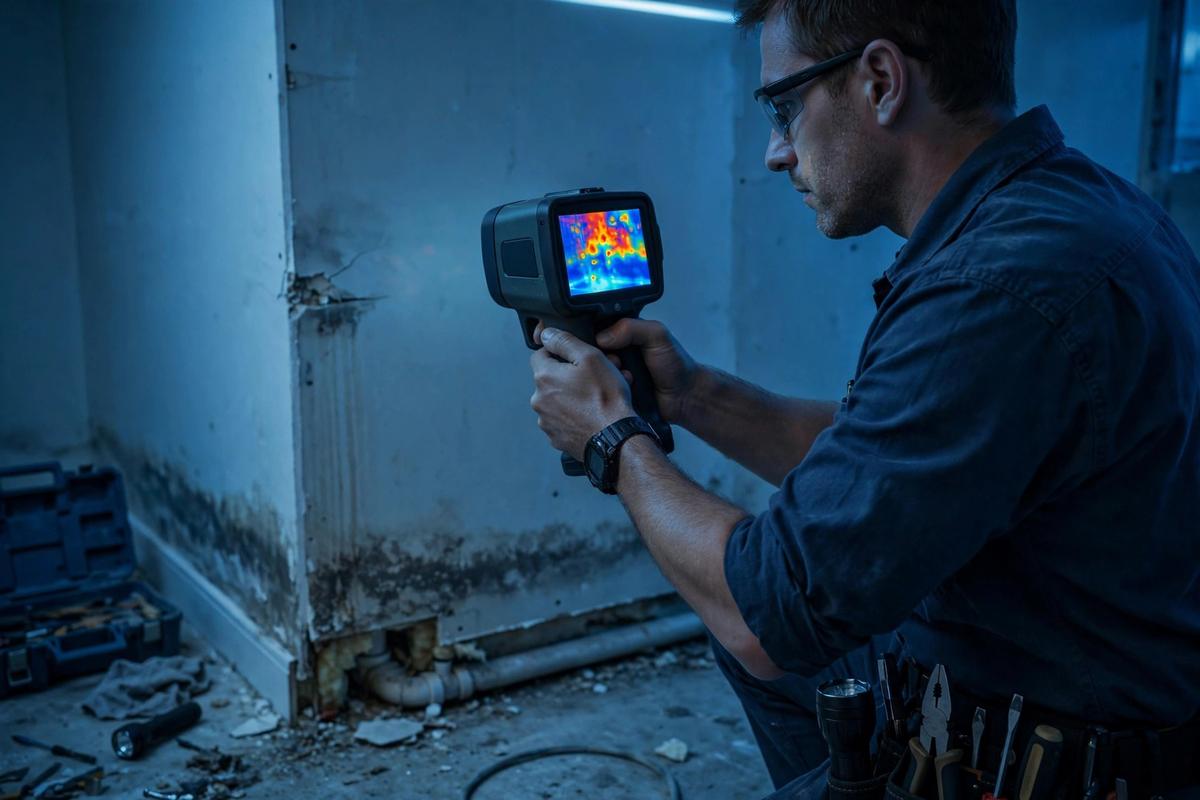
A water stain on your ceiling could mean a failing roof or a leaking pipe. Here's how to tell the difference before you call for help.
Read guide → Water Damage DC
Call Water Damage DC now and we'll connect you with a local provider in Washington, DC — no pressure, no obligation. Lines are open 24/7.
 Scan to call now