Crawl Space Moisture: Causes, Signs and Fixes in Washington DC
Crawl space moisture causes musty odors, sagging floors, and mold. Learn the common causes in Washington DC and the fixes that actually work.
Read guide →Water heaters rarely fail without warning. Learn the signs of a failing tank so you can act before a flood damages your Washington DC home.
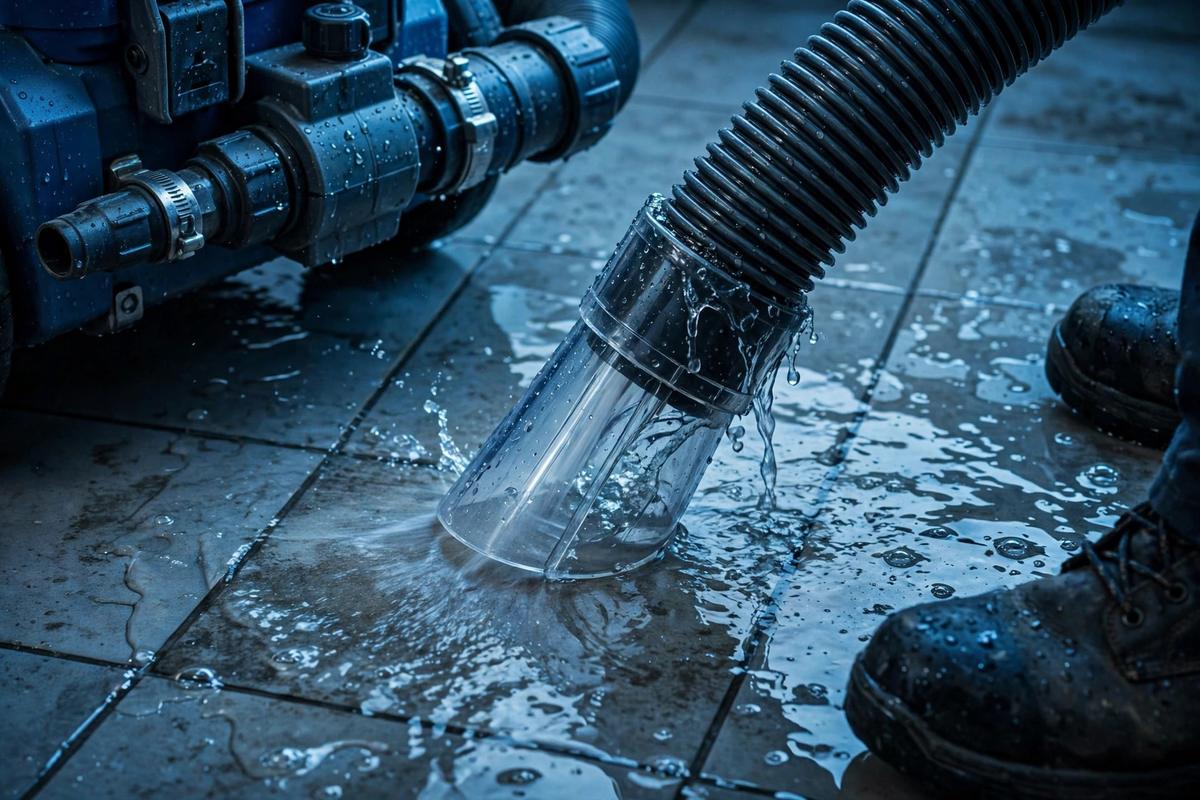
A failing water heater typically shows clear warning signs for weeks or months before the tank bursts: rust-colored hot water, rumbling or popping noises, moisture or small leaks around the base, inconsistent water temperature, and an age over 8 to 12 years. Catching these signs early is the difference between a planned replacement and a flooded utility room.
Age is the single biggest predictor of water heater failure. A conventional tank-style heater lasts roughly 8 to 12 years, while tankless models can run 15 to 20 years with maintenance. Check the manufacturer's label on your unit for the installation date. If you cannot find it, the serial number usually encodes the manufacturing date. If your tank-style heater is past the 10-year mark, start budgeting for a replacement instead of waiting for a rupture.
In Washington DC, hard water mineral content can shorten tank life because sediment builds up faster. Many homes here, especially in older neighborhoods with original plumbing, have heaters working harder than their rated lifespan suggests.
If rusty or discolored water comes only from the hot tap, the inside of your tank is corroding. An anode rod inside the tank sacrifices itself to slow this corrosion, but once it is depleted, the tank wall rusts from the inside out. Some surface rust on fittings is cosmetic; rust in the water itself is a serious warning sign.
Test it: fill a bucket from the hot water side only. If the water runs brown or orange, the tank's interior is deteriorating. This is one of the last warning signs before a leak or rupture.
As mineral sediment accumulates at the bottom of the tank, the heating element or burner must heat through that layer. Trapped water boils underneath, producing rumbling, popping, or banging sounds. This means:
Annual flushing can clear sediment, but if a heater has gone years without flushing and is now rumbling loudly, the sediment may be hardened and the tank already stressed. Flushing a very old, neglected tank can sometimes reveal leaks that sediment was temporarily plugging.
Any water pooling around the base of the heater deserves immediate attention. Wipe the area dry and check back in a few hours. Common sources include:
Small leaks from a corroded tank tend to grow. A pinhole today can become a split seam tomorrow, releasing 40 to 80 gallons plus a continuous supply-line flow into your home.
A drain pan under the water heater catches slow leaks and directs them to a floor drain. This is especially important for heaters located on upper floors or above finished spaces, where a leak would ruin ceilings and flooring below. Check local code requirements, since many jurisdictions in the DC area require pans for heaters in certain locations.
Find the cold-water shutoff valve on the pipe feeding your heater now, not during an emergency. It is usually a gate or ball valve on the cold inlet pipe near the top of the unit. Turning it clockwise stops water from refilling the tank. Show every adult in the household where it is.
An inexpensive water sensor placed in the drain pan can sound an alarm or send a phone alert at the first sign of moisture, buying you hours that can prevent a minor leak from becoming major water damage.
Repair makes sense for a failed thermostat, heating element, or faulty valve on a younger unit. Replacement is the smarter move when the tank itself is leaking, the unit is over 10 years old, or repairs are stacking up. The cost of one flood, with ruined flooring, mold growth, and damaged belongings, far exceeds the cost of a planned replacement.
If your water heater has already failed and flooded your home, fast water extraction is critical to limit damage and prevent mold. Call (202) 449-5074 and we will connect you with a local water damage provider in the Washington DC area who can respond quickly and begin the cleanup process.
Need help right now? Call (202) 449-5074 — open 24/7. Water Damage DC will connect you with a local provider in Washington, DC.
Quick answers related to this guide.
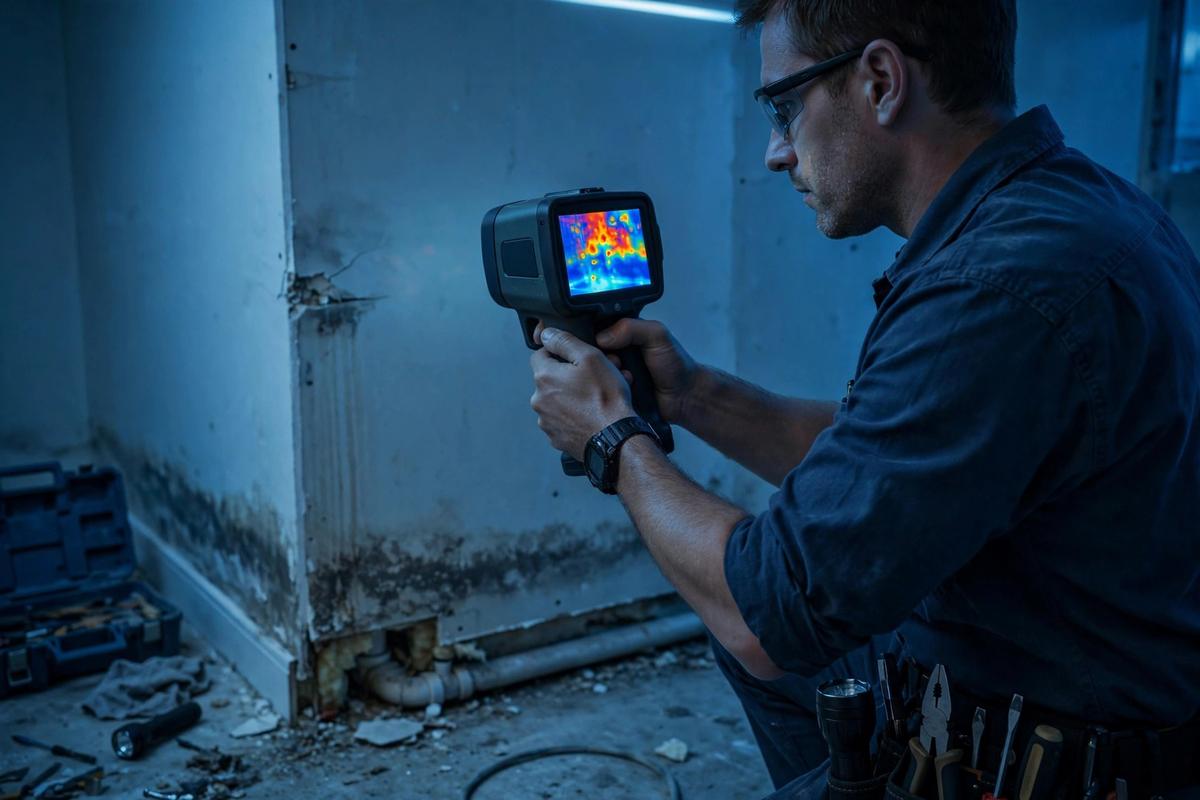
Standing water keeps damaging everything it touches — emergency water extraction removes it fast with high-capacity pumps. We connect you with local providers in the Washington DC area.
Learn More →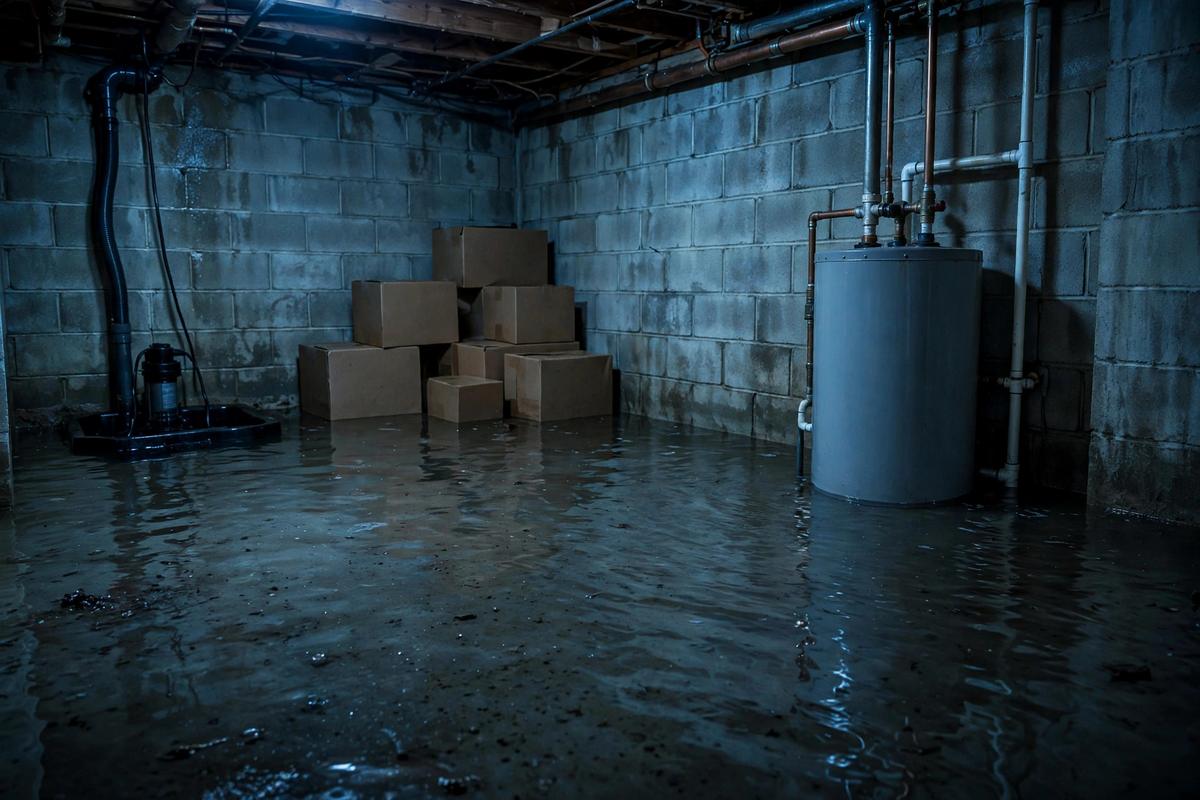
Water Damage Cleanup covers the full job — from initial assessment and water removal through drying, cleanup, and repairs. Call now and we'll connect you with a nearby provider.
Learn More →
Flood Damage Restoration handles everything after floodwater enters your property: removal, drying, sanitizing, and repairs. We connect you with local providers in the Washington DC area.
Learn More →
Crawl space moisture causes musty odors, sagging floors, and mold. Learn the common causes in Washington DC and the fixes that actually work.
Read guide →
Water hides behind walls and under floors long before you see it. Learn how pin and pinless moisture meters plus thermal imaging cameras help professionals find hidden leaks early.
Read guide →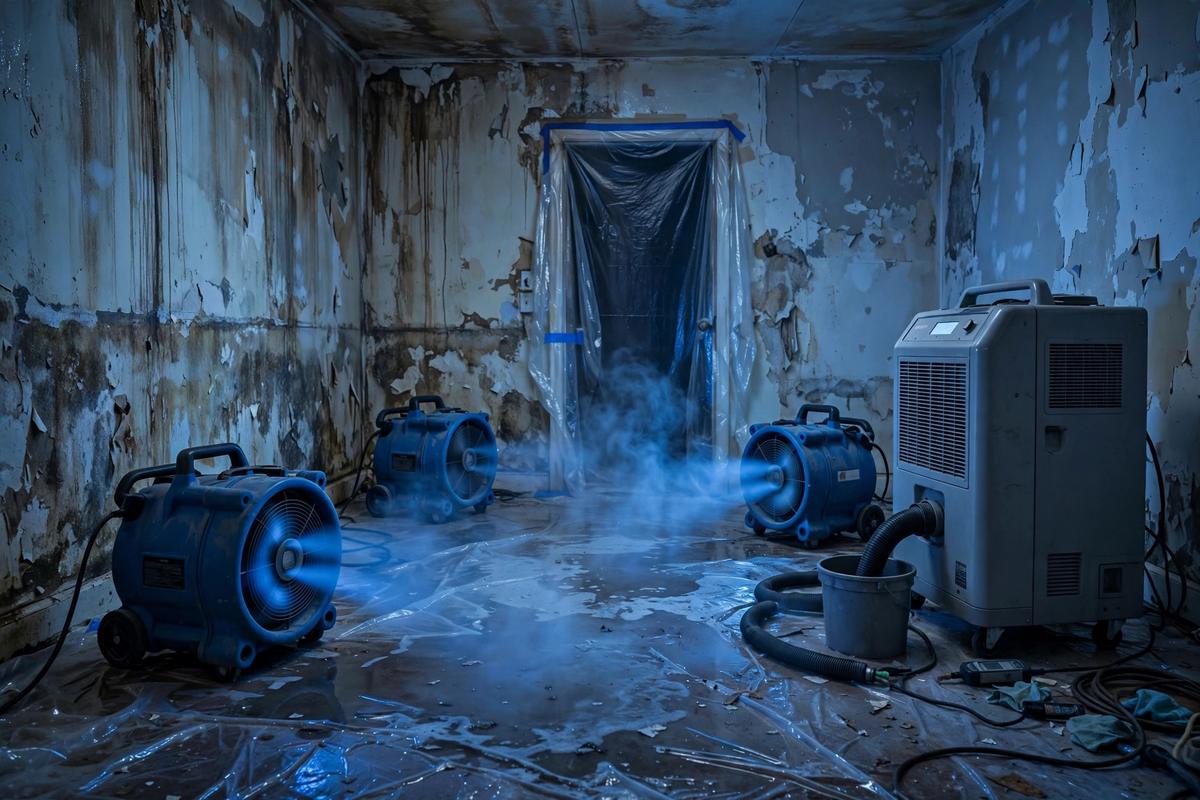
Drying a water-damaged home is not an overnight job. Here is how long it really takes, what affects the timeline, and how professionals know when it is truly dry.
Read guide → Water Damage DC
Call Water Damage DC now and we'll connect you with a local provider in Washington, DC — no pressure, no obligation. Lines are open 24/7.
 Scan to call now