Documenting Water Damage for an Insurance Claim
The quality of your documentation can decide how smoothly your insurance claim goes. Learn the photo, video, and inventory protocol to follow before the adjuster arrives.
Read guide →A small leak can become a flooded home when nobody is there to catch it. These simple steps — from shutting off the main valve to smart detectors — protect your house while you travel.
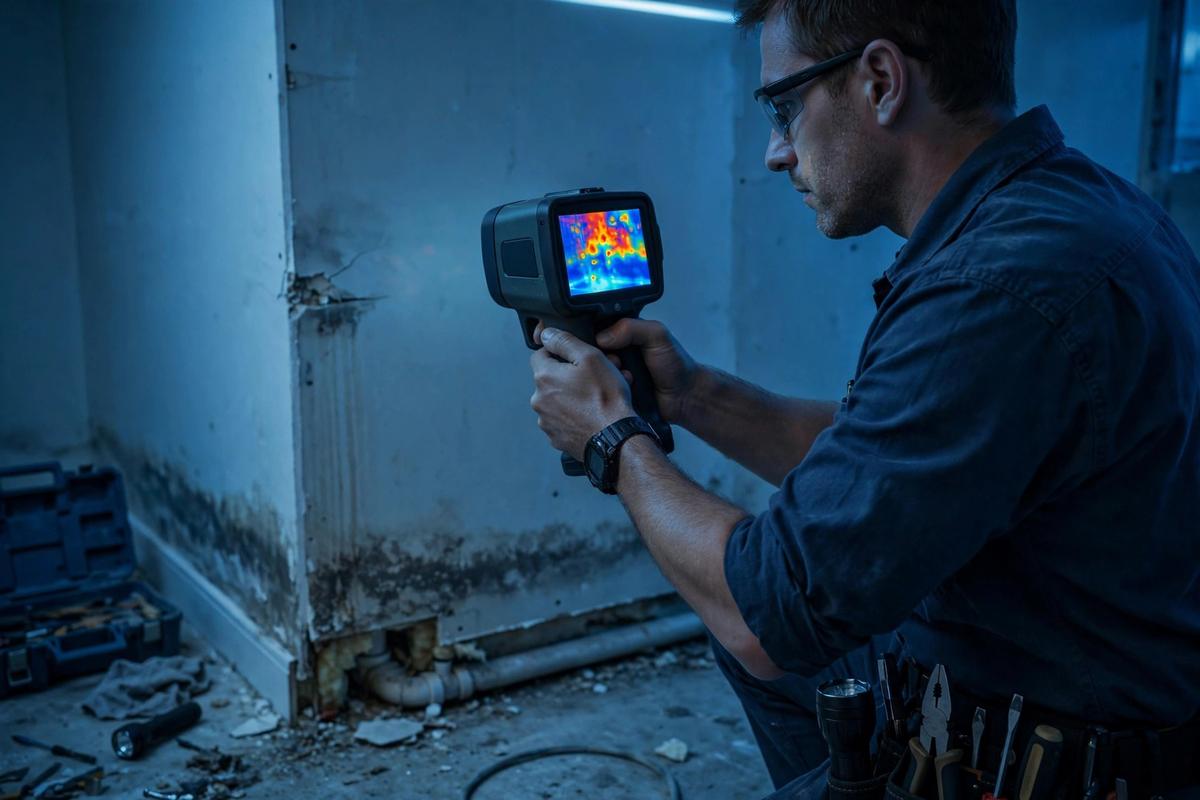
A burst supply line or failed water heater does the same damage whether you are home or not — except when you are on vacation, nobody notices for days. What would have been a mop-and-call-a-plumber situation becomes soaked floors, swollen cabinets, and mold. The good news: a handful of simple precautions before you leave can prevent most vacation water disasters. Here is what to do before your next trip out of Washington DC.
The simplest and most effective protection is to turn off your home's main water supply before you leave. With no water pressure in the pipes, a burst line or failed fitting cannot flood your home — at worst, only the small amount of water already in the lines can escape. Find your main shutoff valve now, before trip day, and make sure it turns freely; older gate valves can seize, and discovering that as you rush to the airport defeats the purpose. If you have systems that need water while you are away, such as a boiler, swamp cooler, or automatic garden irrigation, talk to a plumber about the right approach — you may be able to shut off water to the house while keeping an isolated line, or these systems may need to stay on. For most homes, though, shutting the main is the right call.
Smart leak detectors are small, inexpensive sensors that alert your phone the moment they detect water. Place them where leaks start: under sinks, behind toilets, next to the water heater, by the washing machine, under the dishwasher, and near the refrigerator's water line. Many models also monitor temperature and humidity, which can warn you about freezing pipes in winter or damp conditions that invite mold. Test each sensor before you leave and make sure notifications are enabled on your phone. A detector cannot stop a leak by itself, but early warning means you — or whoever is watching your home — can act within hours instead of discovering the damage a week later.
An automatic shutoff valve takes protection a step further: paired with leak sensors, it closes your main water supply on its own when a leak is detected — no human required. Some systems also learn your household's normal water use and shut things down if they detect continuous flow that looks like a burst pipe. These devices are installed on the main water line and are a strong upgrade for frequent travelers, owners of second homes, or anyone with a finished basement. They cost more than standalone sensors, but compared with the cost of remediating a flooded home, many homeowners find the investment worthwhile. A licensed plumber can advise on which system fits your plumbing.
Technology helps, but a trusted human is still the best backup. Ask a neighbor, friend, or family member to check on your home every few days while you are away. Give them a key, show them where the main water shutoff is, and leave clear instructions: what to look for (water under sinks, damp spots on ceilings, unusual sounds like running water), and who to call if something is wrong — including your plumber's number and, for serious water damage, a way to reach emergency help fast. Make sure they know how to reach you, and consider leaving a spare house key with a second person in case your primary contact is unavailable.
Run through this list the day before you leave:
Thirty minutes of prevention beats weeks of restoration. But if you return to a water surprise — or your house checker calls with bad news while you are away — fast professional help limits the damage. Water Damage DC is a referral service — we connect you with local providers in Washington DC for emergency water extraction, drying, and cleanup. Call (202) 449-5074 to be connected with a local provider.
Need help right now? Call (202) 449-5074 — open 24/7. Water Damage DC will connect you with a local provider in Washington, DC.
Quick answers related to this guide.

Burst Pipe Water Damage fixes the source — burst pipes, failed fittings, and appliance leaks — then addresses the water damage left behind. We connect you with local providers in the Washington DC area.
Learn More →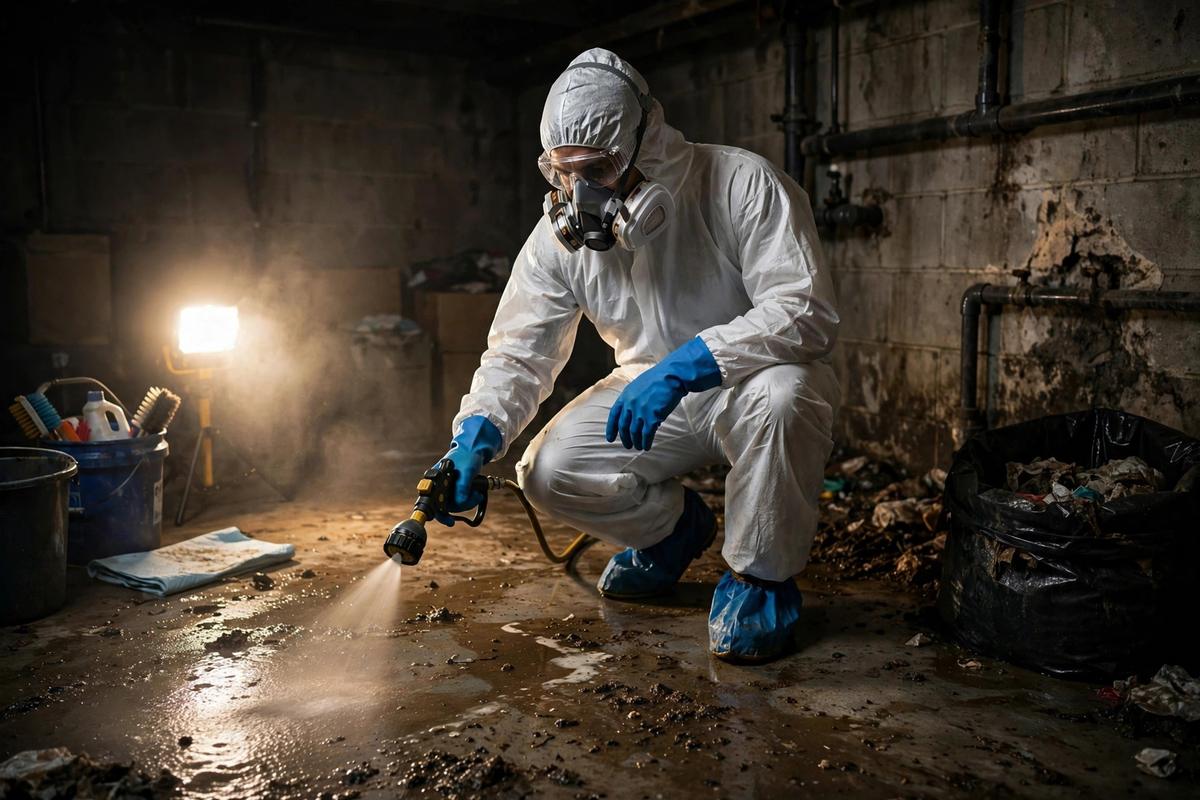
Water Damage Restoration covers the full job — from initial assessment and water removal through drying, cleanup, and repairs. We connect you with local providers in the Washington DC area.
Learn More →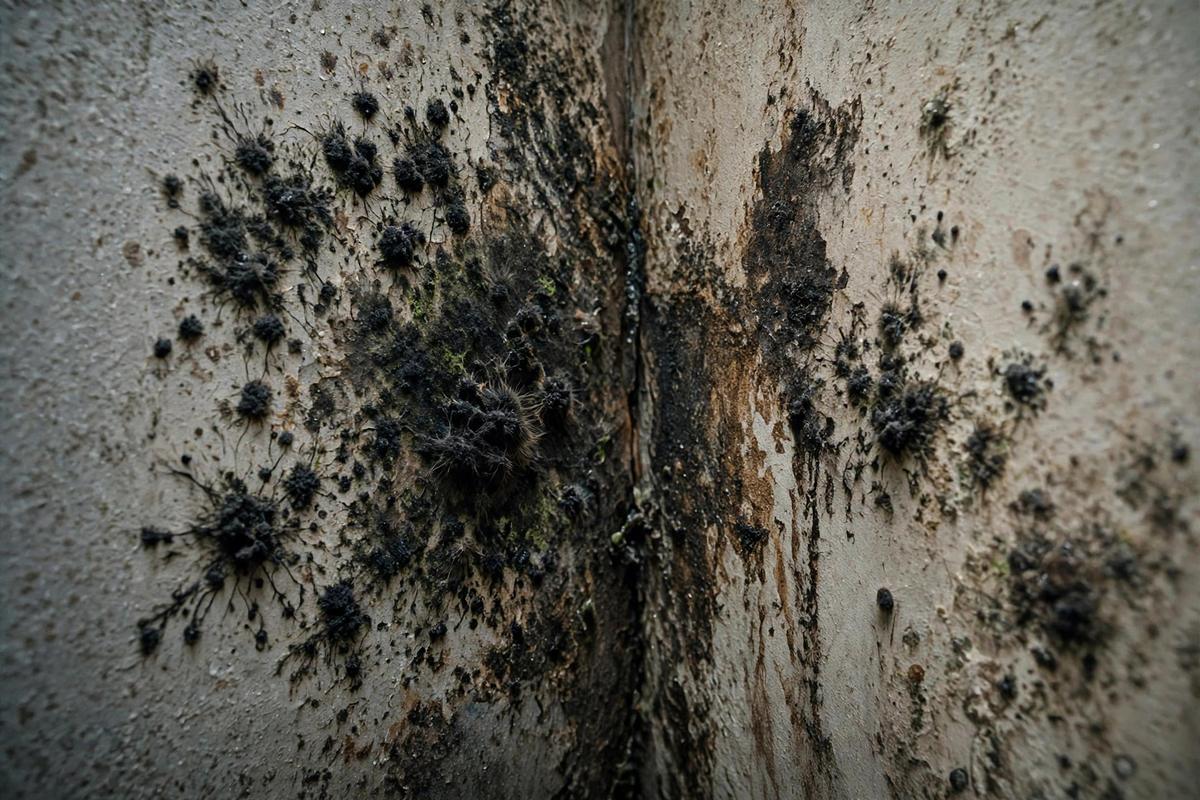
When water damages your property, emergency water damage restoration brings every phase of recovery under one coordinated process. Call now and we'll connect you with a nearby provider.
Learn More →
The quality of your documentation can decide how smoothly your insurance claim goes. Learn the photo, video, and inventory protocol to follow before the adjuster arrives.
Read guide →
Water damage often hides where you cannot see it. Here is how to recognize the warning signs inside your walls — and how professionals confirm what is really going on.
Read guide →
Cupped or buckled hardwood doesn't always mean replacement. Here's how to tell whether your Washington DC floors can be dried and saved — and when it's time to let go.
Read guide → Water Damage DC
Call Water Damage DC now and we'll connect you with a local provider in Washington, DC — no pressure, no obligation. Lines are open 24/7.
 Scan to call now