Ice Dams and Water Intrusion in Winter | Washington DC Guide
Ice dams form when heat escapes through the roof, melting snow that refreezes at the eaves. Learn prevention and what to do when meltwater gets inside.
Read guide →Crawl space moisture causes musty odors, sagging floors, and mold. Learn the common causes in Washington DC and the fixes that actually work.
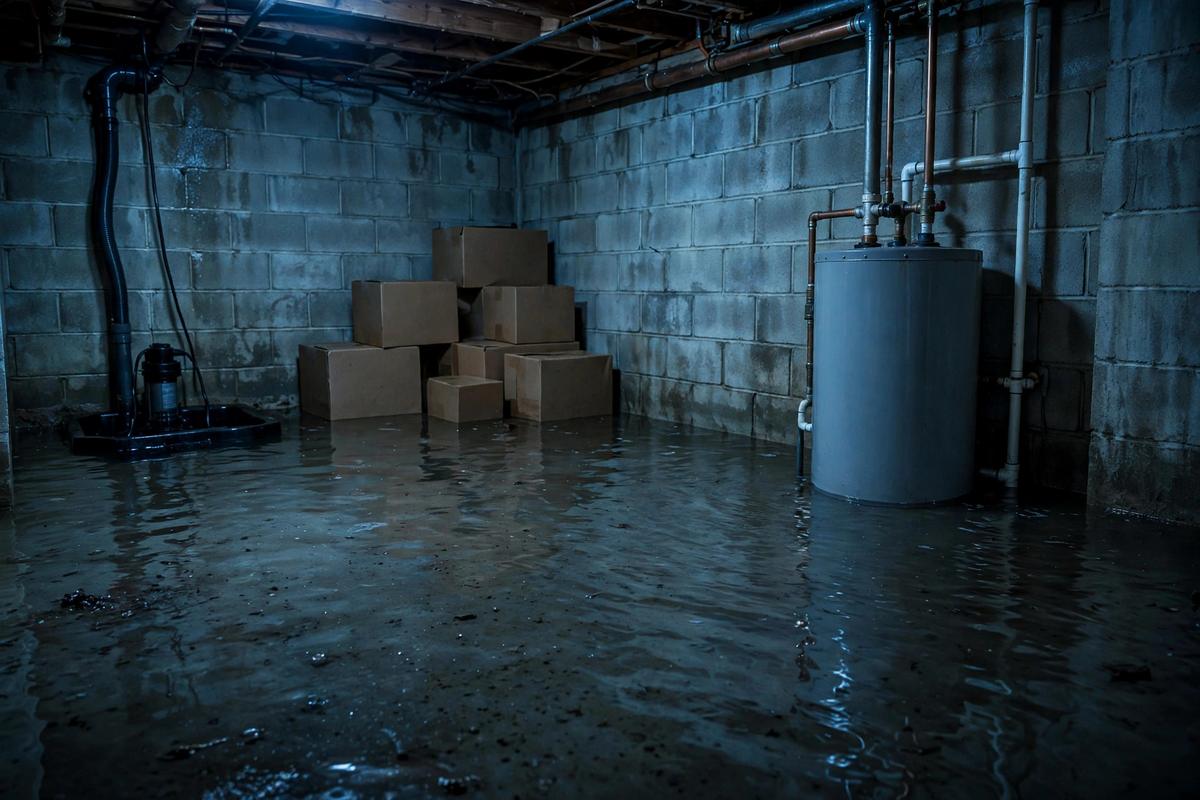
Crawl space moisture is caused by poor exterior drainage, missing or damaged vapor barriers, groundwater intrusion, plumbing leaks, and the region's naturally high humidity. In Washington DC, humid summers and heavy rain events push moisture up through exposed soil and through foundation vents, making crawl space dampness one of the most common moisture problems in local homes.
When gutters overflow, downspouts discharge too close to the house, or the yard slopes toward the foundation, rainwater collects against the foundation walls and seeps into the crawl space. DC's intense summer storms can dump inches of rain in an hour, overwhelming marginal drainage in a single afternoon.
Many older DC-area homes have bare dirt crawl space floors with no vapor barrier, or a barrier that has torn, shifted, or been chewed through. Without a continuous polyethylene barrier covering the soil, ground moisture evaporates directly into the crawl space air, keeping relative humidity chronically high.
Vented crawl spaces were designed to dry out moisture, but in humid climates like Washington DC, summer air entering the vents often brings more moisture than it removes. Warm humid air meets cooler crawl space surfaces, condenses, and feeds mold growth on joists and subflooring.
High water tables, especially in low-lying DC neighborhoods, can push water up through the crawl space floor after heavy rains. Separately, slow plumbing leaks from supply lines, drain pipes, or condensation on HVAC ducts can keep a crawl space perpetually damp without any obvious exterior cause.
If you notice sagging floors, treat it as urgent: moisture-compromised framing can be a structural issue, not just a comfort problem.
No interior fix lasts if water keeps getting in. Extend downspouts at least 6 to 10 feet from the foundation, clean gutters regularly, and regrade soil so it slopes away from the house. These exterior corrections are the foundation of every successful crawl space repair.
Encapsulation seals the crawl space from outside moisture: a heavy-duty vapor barrier covers the floor and walls, vents are sealed, and seams are taped. It converts the crawl space from a damp, vented cavity into a dry, conditioned part of the building envelope. Encapsulation is the most effective long-term fix for chronic moisture in DC's humid climate.
A dedicated crawl space dehumidifier keeps relative humidity below the 60 percent threshold where mold thrives. A household dehumidifier is usually undersized and not built for crawl space conditions. A proper unit drains automatically and is rated for the space's square footage and moisture load.
For crawl spaces with recurring standing water, an interior perimeter drain paired with a sump pump collects and removes water before it can saturate the space. This is often installed as part of an encapsulation system.
Fallen or mold-covered insulation, rotted wood, and contaminated debris should be removed before sealing. Mold remediation on framing may be needed if growth is extensive.
Moisture problems compound over time. Damp wood invites wood-destroying insects, mold spores degrade indoor air quality, and prolonged saturation can rot structural members. What starts as a musty smell can become a very expensive structural repair. Addressing drainage and encapsulation early is almost always cheaper than repairing the damage moisture causes over time.
If your crawl space smells musty, shows standing water, or your floors feel uneven, do not ignore it. Call (202) 449-5074 and we will connect you with a local provider in the Washington DC area who can assess the moisture, identify the source, and recommend the right fix for your home.
Need help right now? Call (202) 449-5074 — open 24/7. Water Damage DC will connect you with a local provider in Washington, DC.
Quick answers related to this guide.
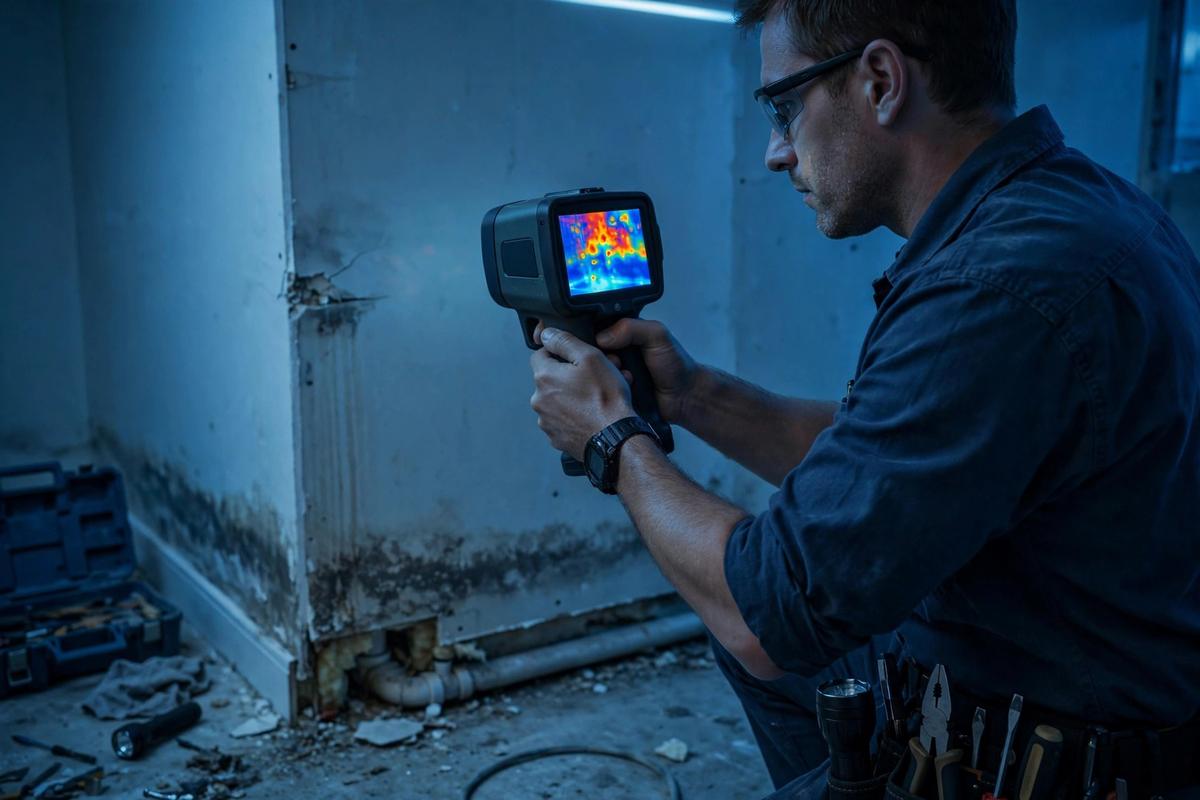
Crawl Space Encapsulation deals with the damp, hard-to-reach area under your home where water and mold love to hide. Our referral service connects you with qualified local providers.
Learn More →
Dehumidification Services prevents warping, swelling, and mold by bringing moisture levels back to normal throughout the building. Our referral service connects you with qualified local providers.
Learn More →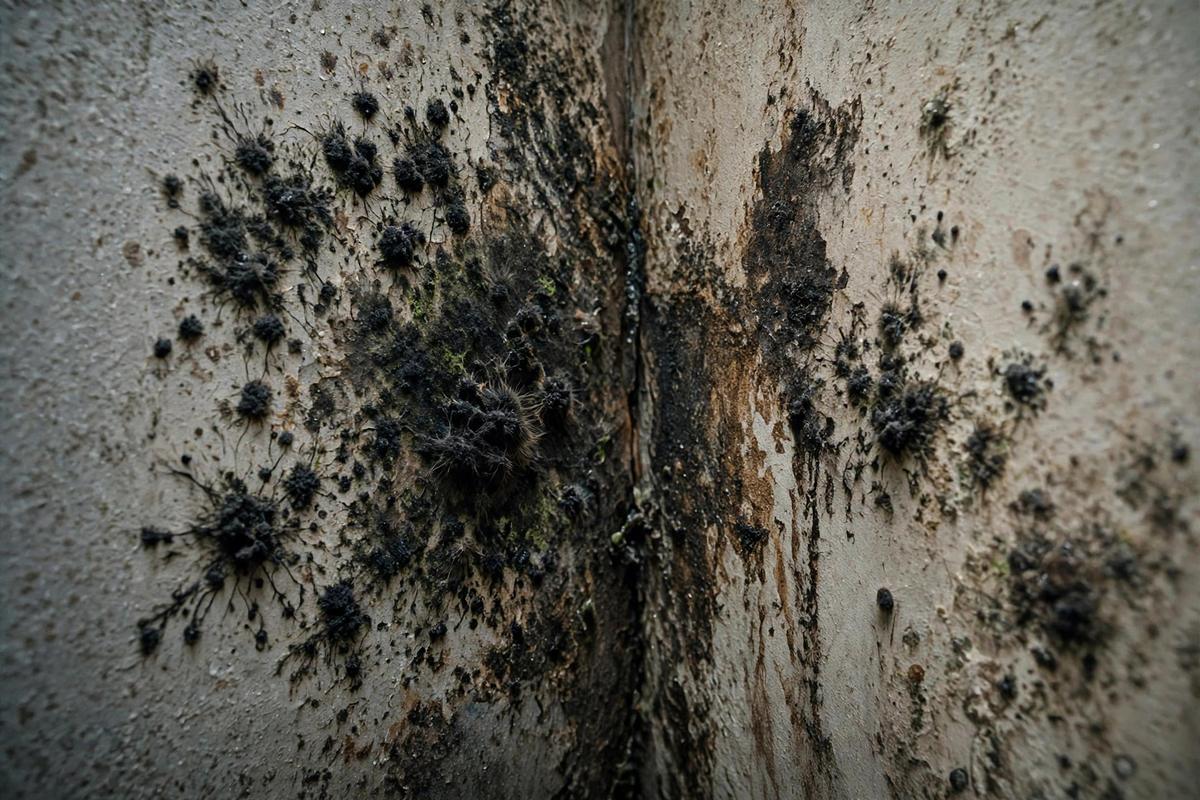
Mold Remediation safely removes mold growth and addresses the moisture that allowed it to thrive. We connect you with local providers in the Washington DC area.
Learn More →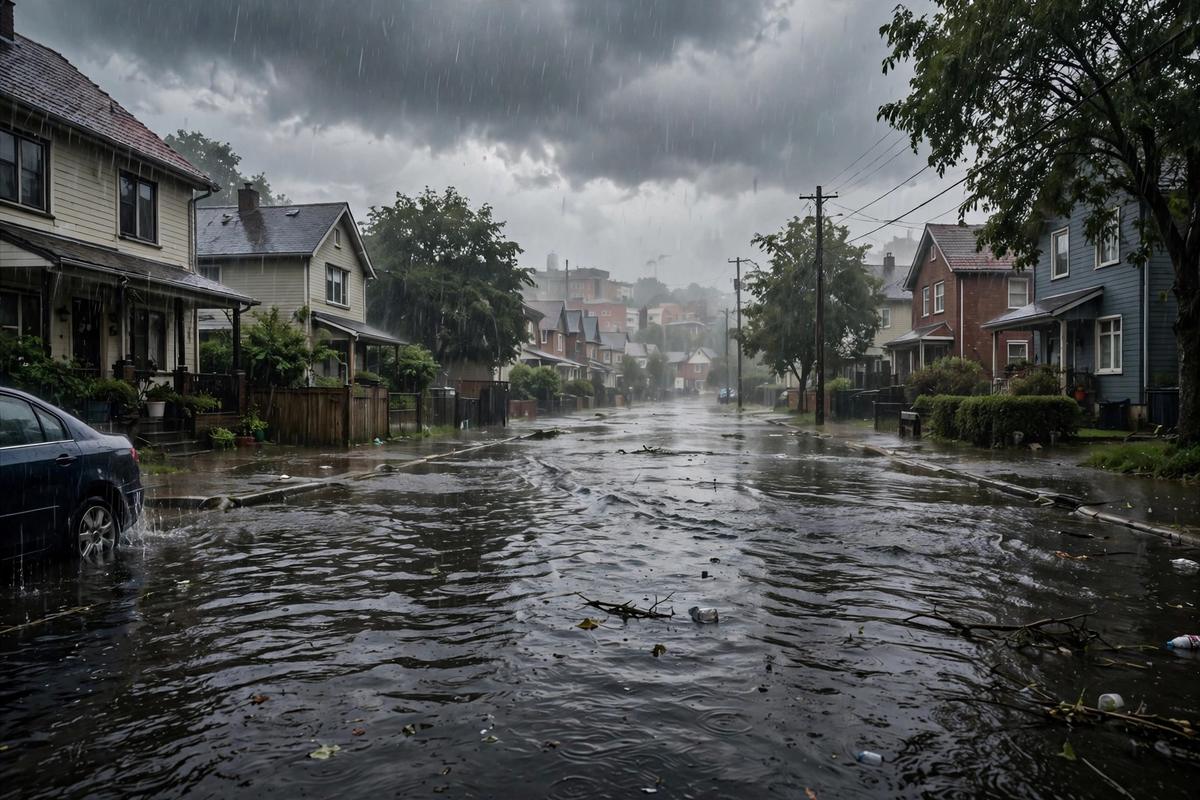
Ice dams form when heat escapes through the roof, melting snow that refreezes at the eaves. Learn prevention and what to do when meltwater gets inside.
Read guide →
A small leak can become a flooded home when nobody is there to catch it. These simple steps — from shutting off the main valve to smart detectors — protect your house while you travel.
Read guide →
DC basements flood for predictable reasons. Here is what causes it, what to do in the first minutes, and how to reduce the risk of it happening again.
Read guide → Water Damage DC
Call Water Damage DC now and we'll connect you with a local provider in Washington, DC — no pressure, no obligation. Lines are open 24/7.
 Scan to call now