Mold Damage Restoration in Washington, DC
Mold Damage Restoration goes beyond surface cleaning to eliminate mold at its source, including hidden growth. Reach out and we'll match you with a local provider who can help. Call (202) 449-5074 — open 24/7 — and we'll connect you with a local provider.
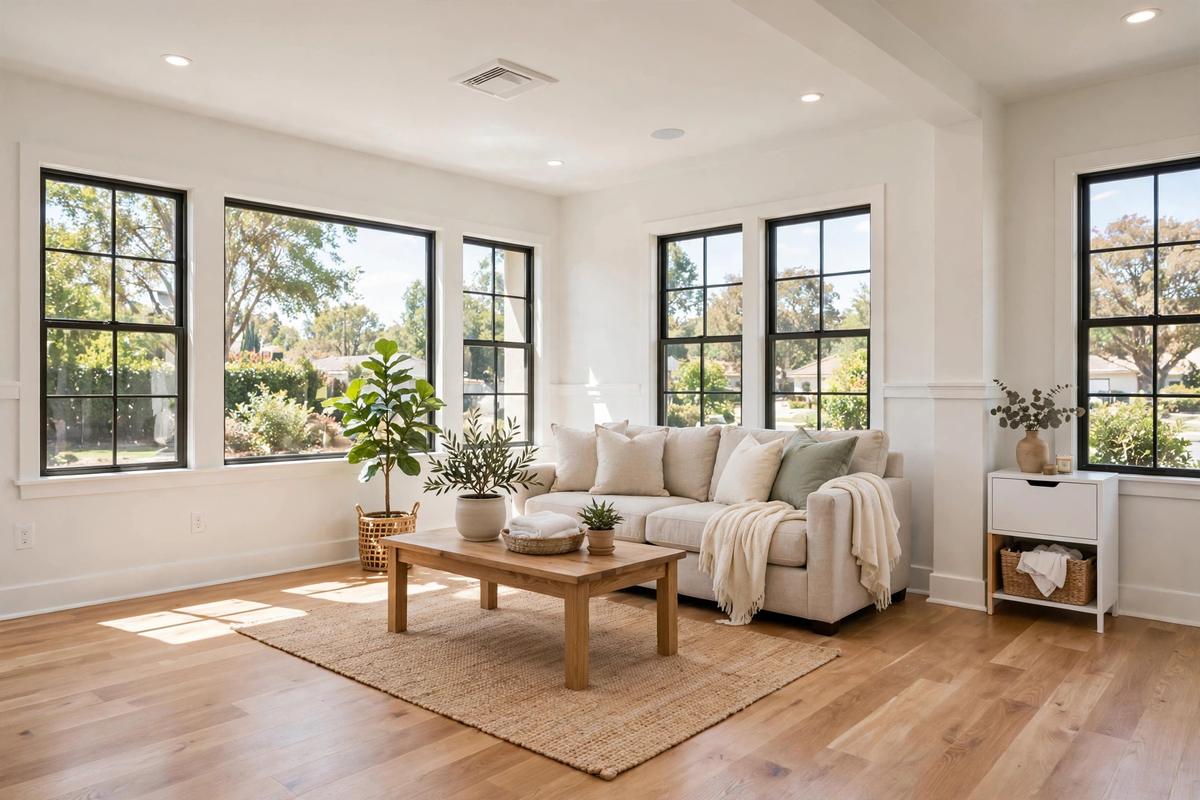
What Mold Damage Restoration Does
Mold is the almost inevitable sequel to untreated water damage: give damp drywall or wood 24 to 48 hours and mold colonies begin. Remediation is the professional process of containing, removing, and cleaning mold — and critically, fixing the moisture source that allowed it to grow. Washington DC's humid summers make post-water-damage mold especially common here.
When you call Water Damage DC, we take a few details about your situation and connect you with an independent local provider who handles mold Damage Restoration across Washington, DC.
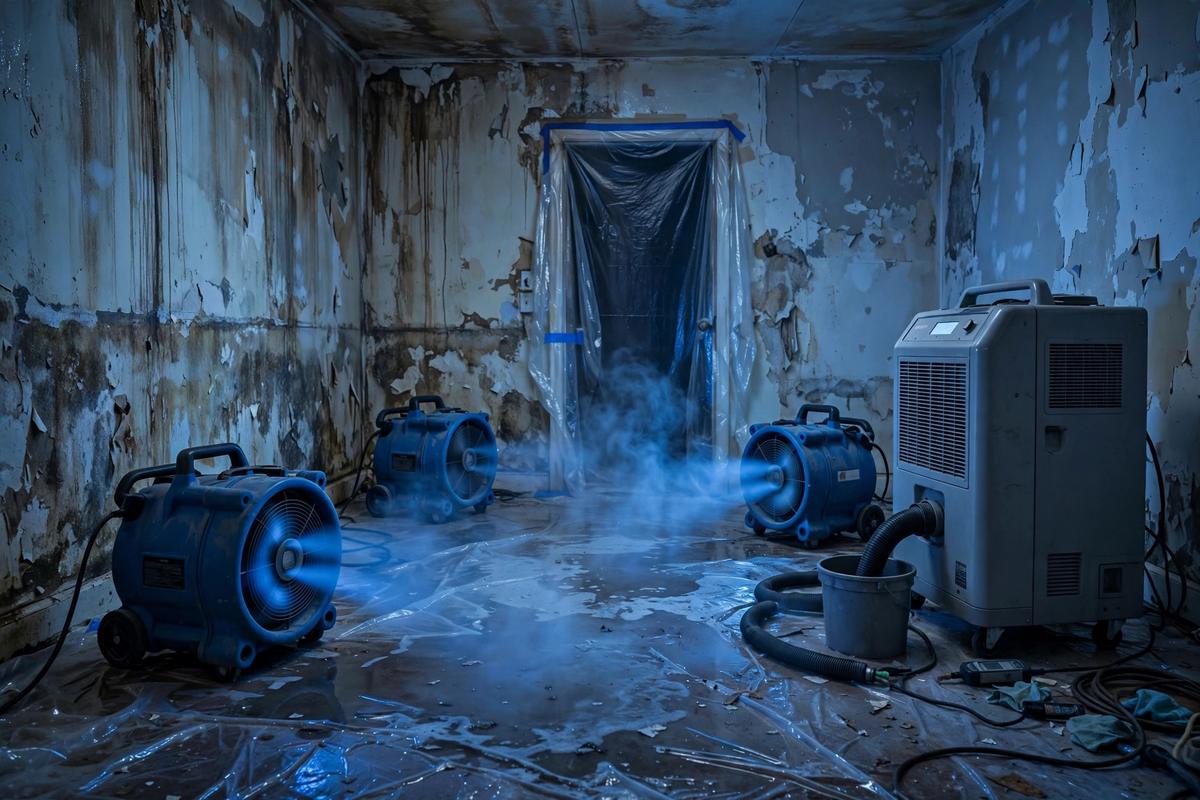
- Containment of affected areas with plastic barriers
- HEPA air filtration during remediation
- Removal of mold-contaminated porous materials
- Cleaning and antimicrobial treatment of salvageable surfaces
Containment of affected areas with plastic barriers
HEPA air filtration during remediation
Removal of mold-contaminated porous materials
Cleaning and antimicrobial treatment of salvageable surfaces
How Mold Damage Restoration Works
The exact work changes by situation — the process stays simple and organized.
We Listen
You describe what's happening. We assess urgency and note the key details.
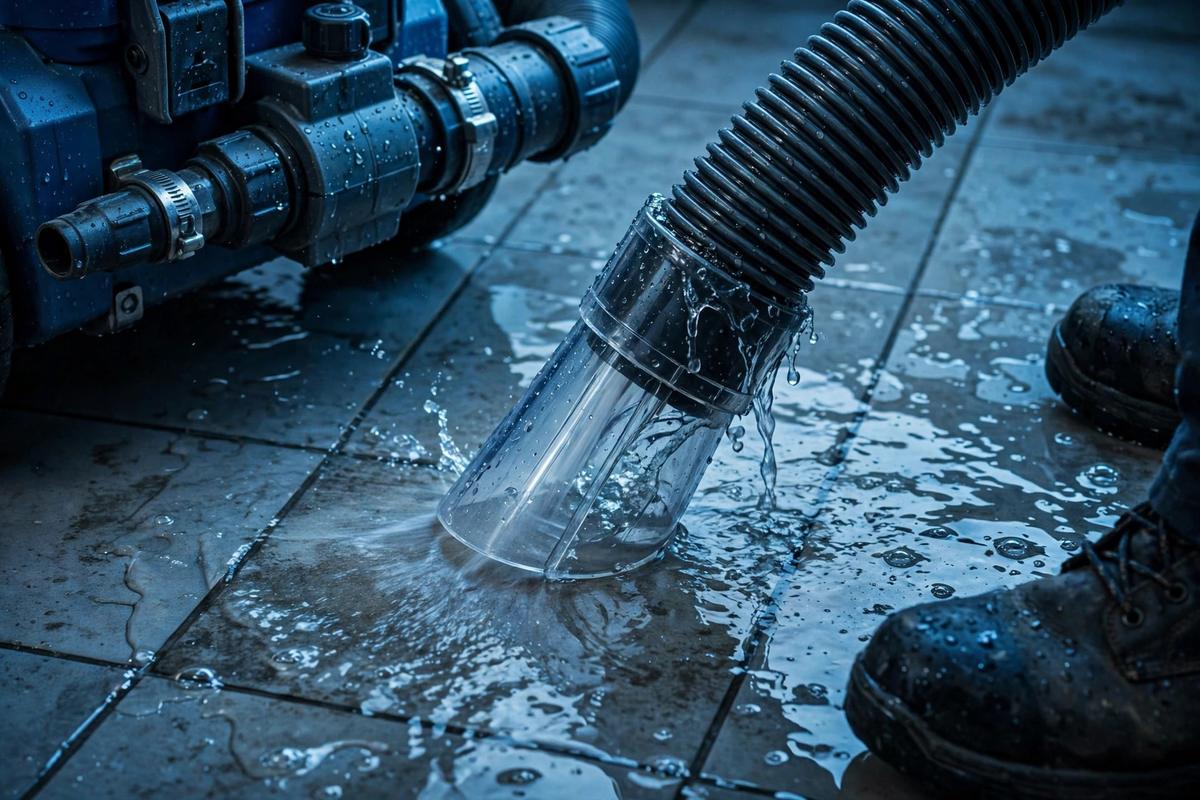
We Match
We identify the right kind of local provider for your specific problem.
You're Connected
You talk directly with the provider — scope, timing, and pricing.
Work Gets Done
Assessment, extraction, drying, cleanup, and repairs — handled start to finish.
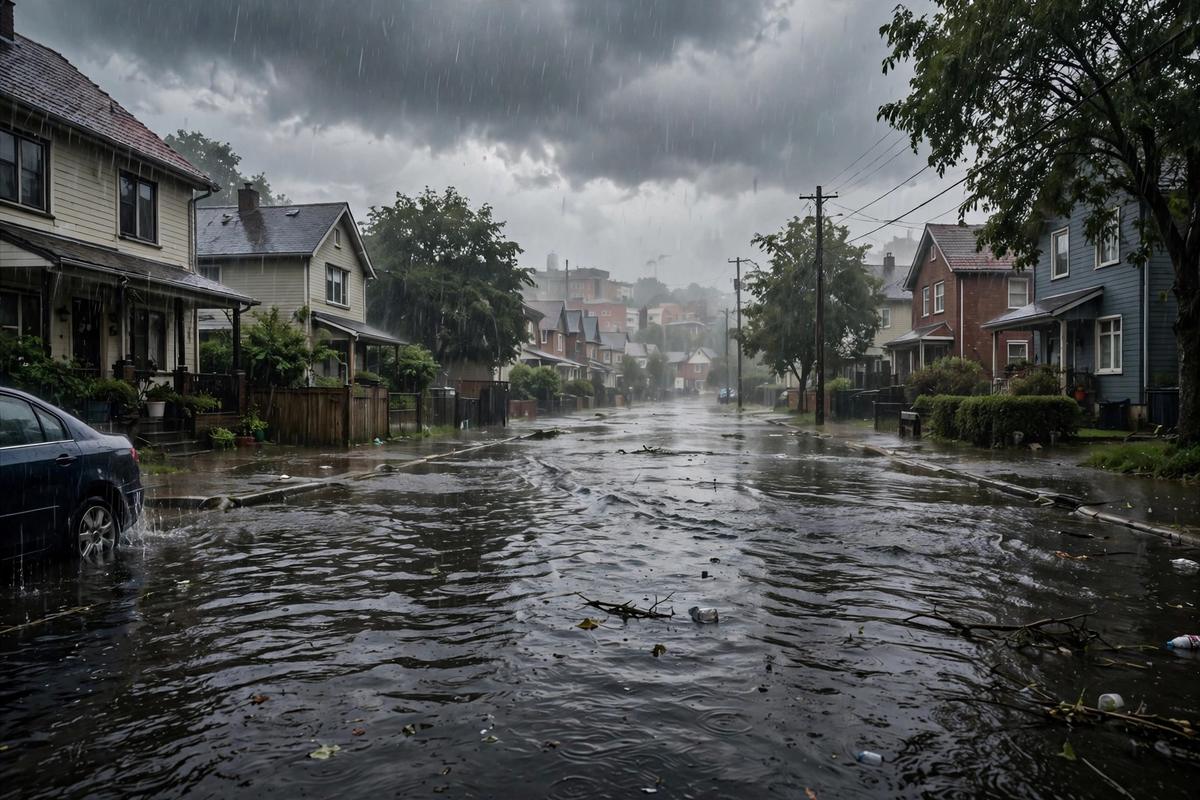
See The Difference
Professional mold Damage Restoration does more than fix the visible problem — it protects your property long-term.
The right specialist, pointed at your problem before water spreads further.
Proper extraction, drying, and repairs — matched to your exact situation.
No searching, no vetting contractors mid-emergency. We handle the matching.
Signs You May Need Mold Damage Restoration
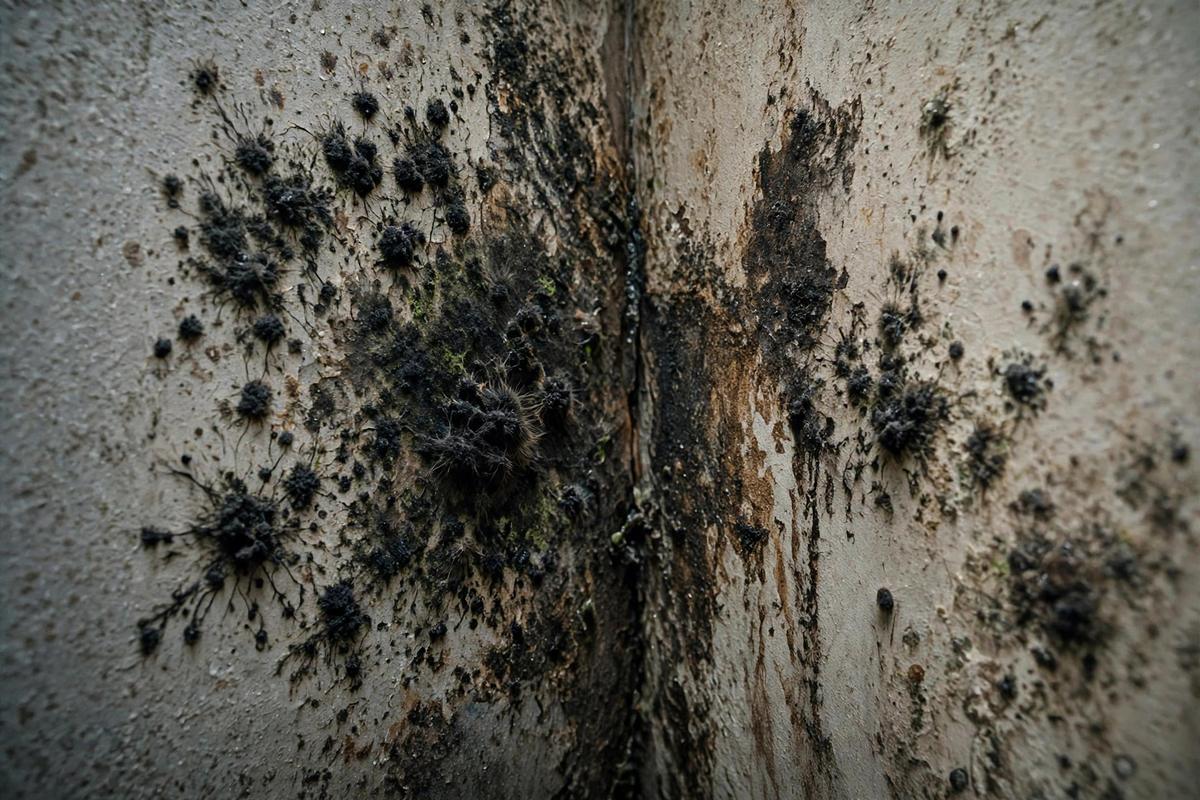
- Visible black, green, or white growth on walls or ceilings
- Persistent musty odor, especially after water damage
- Allergy-like symptoms that improve away from home
- Mold returning after surface cleaning
- Water damage that sat untreated for days
We take calls for mold Damage Restoration from every part of the District — including Logan Circle, Washington DC, Washington, DC, Washington, DC — and nearby communities. One call to (202) 449-5074 connects you with a provider who works in your area.
When you request Mold Damage Restoration, we connect you with local providers who follow containment protocols: sealing off the work area, using HEPA filtration, and removing contaminated materials safely. Proper remediation removes the mold without spreading spores through the rest of your home.
Mold Damage Restoration Questions, Answered
Straightforward answers about mold Damage Restoration in Washington, DC.
 Water Damage DC
Ready For Fast Local Help
Call now about mold Damage Restoration in Washington — we'll connect you with a local provider. No pressure, no obligation.
 Scan to call now
More Ways We Can Help
Mold Remediation
Mold Remediation safely removes mold growth and addresses the moisture that allowed it to thrive. We connect you with local providers in the Washington DC area.
Learn More →
Mold Removal
Mold spreads fast in damp conditions — mold removal contains it, removes it, and helps prevent its return. Call now and we'll connect you with a nearby provider.
Learn More →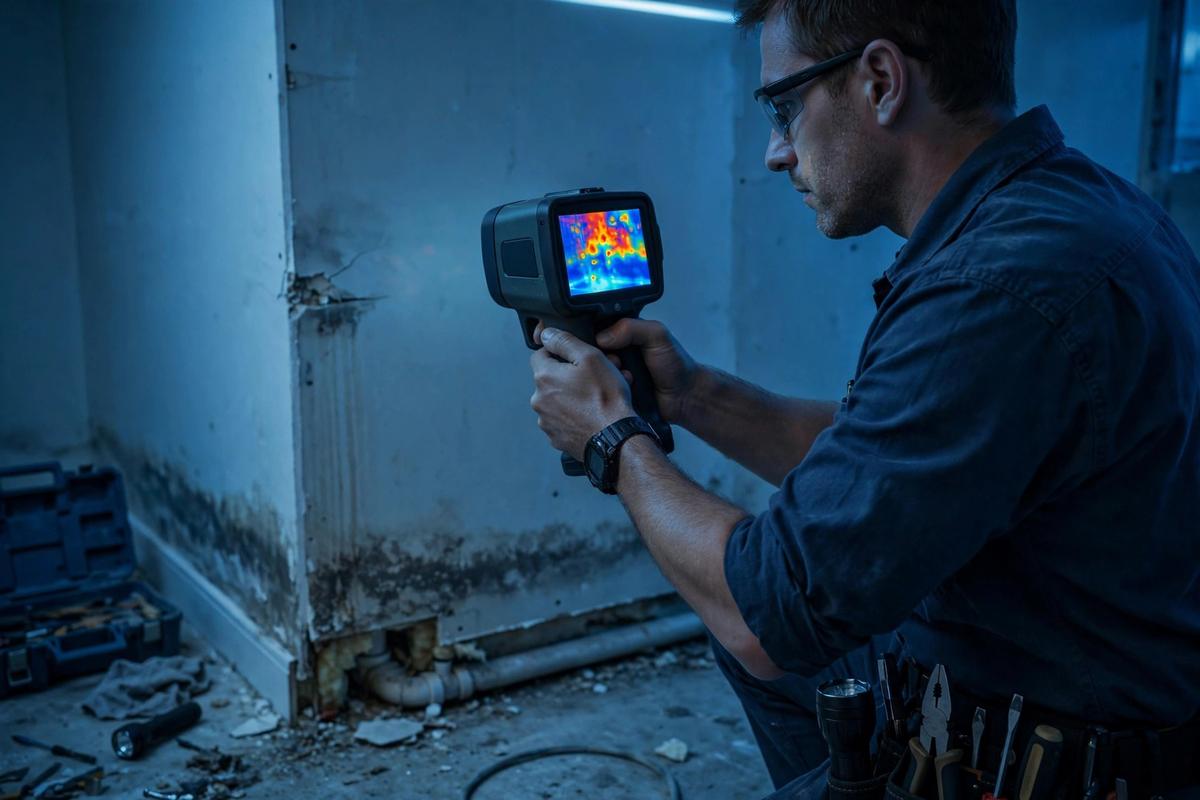
Emergency Mold Remediation
Emergency Mold Remediation goes beyond surface cleaning to eliminate mold at its source, including hidden growth. Our referral service connects you with qualified local providers.
Learn More →
Residential Mold Remediation
Proper residential mold remediation uses containment and HEPA filtration to remove mold without spreading spores through your home. Reach out and we'll match you with a local provider who can help.
Learn More →